
Remember that killer headache you had last week? Or the time you fell off your bike? Or the day you slammed your finger in the door? What about the time you had a gallbladder attack and you ended up in surgery? Remember your most painful experience. Think about how it consumed you, and how hard it was to get through. Think about the people who cared for you and how glad you were when you were past it.
Remember the support you received after your injury/ surgery/ accident. Remember those people checking in on you and encouraging you. I bet if you think about it, one of the things that carried you through was knowing it would pass. No matter how dark it got, you knew that one day, with rest and medication and therapy and support you would feel better again.
But what if the pain never went away? What if there was always a residual pain, just present enough to occupy precious space in your mind 24/7/365?
I was, yesterday years old when my almost 20-year-old said something I don’t think I had ever really given much thought to. She said some people have no pain. I think I struggled to process what she was saying. So she said it again. To be honest the thought of having no pain was kind of mind-blowing to me. She and I both deal with pain, pretty much all the time. I think maybe it has been easier for me to deal with because I never realized or gave much thought to the fact that this is not the same for everyone.

Chronic pain is treated like a dirty little secret. You can’t talk too much about it. It is a buzz kill. It makes a room heavy. It makes people uncomfortable because even the most well-intentioned people do not know what to say or do. And if your chronic pain lasts, well, forever, talking about it is frowned upon. Talking about it can also generate unsolicited advice, “cures,” and shame. Many people cannot imagine that some bodies hurt. All the time. No matter what you do. So they resort to blaming the person who hurts. It must be their fault. They must be lazy, stressed, overweight, have poor eating habits, lack exercise, or they should just “relax.” It must somehow be their fault.
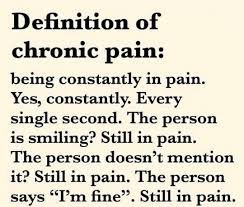
Blaming the sick person is a protection we use. I have done it. I think we all have. We often do it because we are glad it is not us who is sick or in pain. We want some concrete intellectual assurance that it can’t/ won’t be us. So, when you have chronic migraines, and someone asks you why you haven’t found your triggers yet, or when you have joint pain, and you get told to stretch and strengthen, or when your stomach pain is met with “calm down, it’s just stress…” someone is trying to make sense of what you are feeling. In this society, we want a pill or a medication or an easy repair. They are trying to “fix” it, but in doing so often the person in pain is now left also feeling like a failure.
And that patient blaming is not limited to colleagues, friends, and family. Patient blaming is on fire in the medical community. While some practitioners understand that most people do NOT want to spend their whole lives at the doctor, there are others who will find every reason in the world to make you believe you are a depressed, pill-seeking fool.
So those who endure/ survive/ function with chronic pain start to feel like they have a dirty little secret. They feel the pain is their fault and they have something to hide. They feel burdened by this pain that is involved in every single thought and every single move. All day. Every day.
Imagine a song you hate so much. Now imagine that song playing in your ear. All the time. When you try to sleep – it’s there. Taking a shower – it’s there. At work – still there. Out to dinner – yep, still there. The volume button broke. The song is stuck in a loop. It is just enough to keep you distracted but not loud enough for anyone else to hear.
The first few times, you tell someone it’s there. It’s loud. It is annoying. It is hard to concentrate. At some point people tire of hearing this, and tell you to get it fixed, or get over it. They can not even hear the song, but the thought of you mentioning it gets them twisted. So, you stop talking about it. But it NEVER STOPS PLAYING.
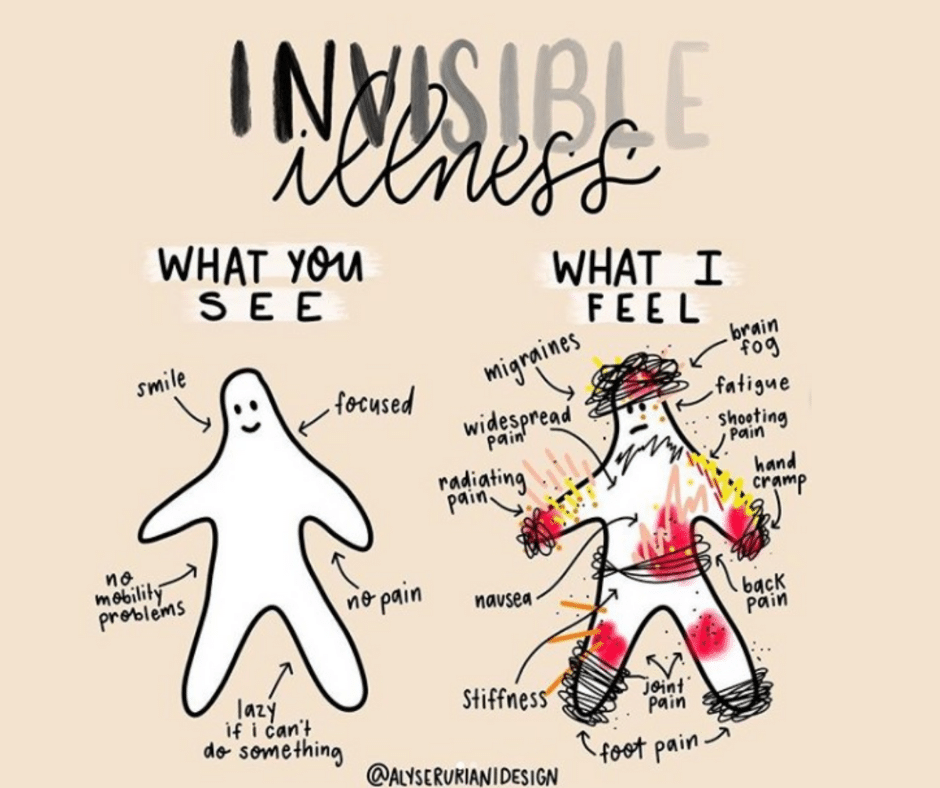
So, being aware that you need to do herculean things in a body that has the strength of a sloth, you press on.
You go to school. You meet up with friends. You go to work. You make polite small talk. You pursue career goals. Because you know that we only get one chance at this life and you don’t want to miss it.

And you bargain with yourself. You make little deals along the way with this body that has this terrible song playing so loud that a chunk of your focus is off, and everything you do is just harder than it should be.
You try so many things to get better. But you don’t talk about them. Because hearing someone tell you what should have made you better by now, or listening to the stigma of many alternative treatments has you wiped out and on the defensive. You don’t need to explain. You don’t want to be scammed, or judged. You just want to feel better.

While you are pressing forward, using every ounce of strength that you have to complete daily tasks, it is easy to pull away, even from those closest to you.
It can be so hard to be appropriately sympathetic to a skinned knee when the thought of amputating your most troublesome appendage crosses your mind at least every few days. Your rational mind knows the skinned knee in fact does hurt. Somewhere in the chasm between “I wish someone understood me” and “I want to be a generally decent and kind human” you find the words to say that you hope that skinned knee heals quickly.
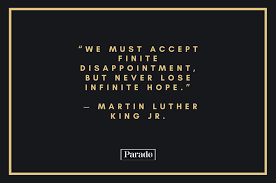
Hope. It is the most powerful weapon we have. And sometimes we have to dig it up and polish it off and look at it for a long time. Sometimes we are afraid to dare to hope because we have been disappointed so many times before. But, hope. Hope is everything.
So what can you do if you love someone with chronic pain? How can you relieve some of the burden of this dirty little secret?
Some tips? Remember that it is there. All the time.
Be available for a hug if they want it.
Be encouraging but not patronizing. Use empathy over sympathy. And nudge them forward.
Don’t try to fix it. You can’t. If you could they would have already done it.
Sometimes quiet proximity is the best thing in the world. Being “alone together” can be reassuring.
Believe that they will do all they can when they can.
Don’t stop making plans, but be flexible whenever you can. Pain levels are not on a schedule.
It is hard to be in pain. It can be torture to watch the person you love in pain. By the way, they know how tough it is on you. It is why they worry so much. They have been abandoned before for being “too much” and they don’t want you to go too.
Show your person you want to stay. Show them that despite the dark times, their light is something spectacular you want in your life forever.

It is ok to remind them sometimes that they are a total badass. It’s not a title they were seeking, but it is well-earned all the same.
Cowden Syndrome in and of itself does not cause chronic pain. But, the ramifications of living a life of it, well that can. In our house, we stay active. We stay healthy. We go to work. We go to school. We pray and laugh and love each other. Together. In this house, we know that great things are possible even in the midst of relentless physical pain.
We have goals and we will succeed. So if you see us sitting on the bench, don’t count us out.
We remain….
…#beatingcowdens
This topic has been on our minds this summer. Send us your thoughts on chronic pain. We’re especially interested in the best and worst things people have said to you or a loved one in pain.
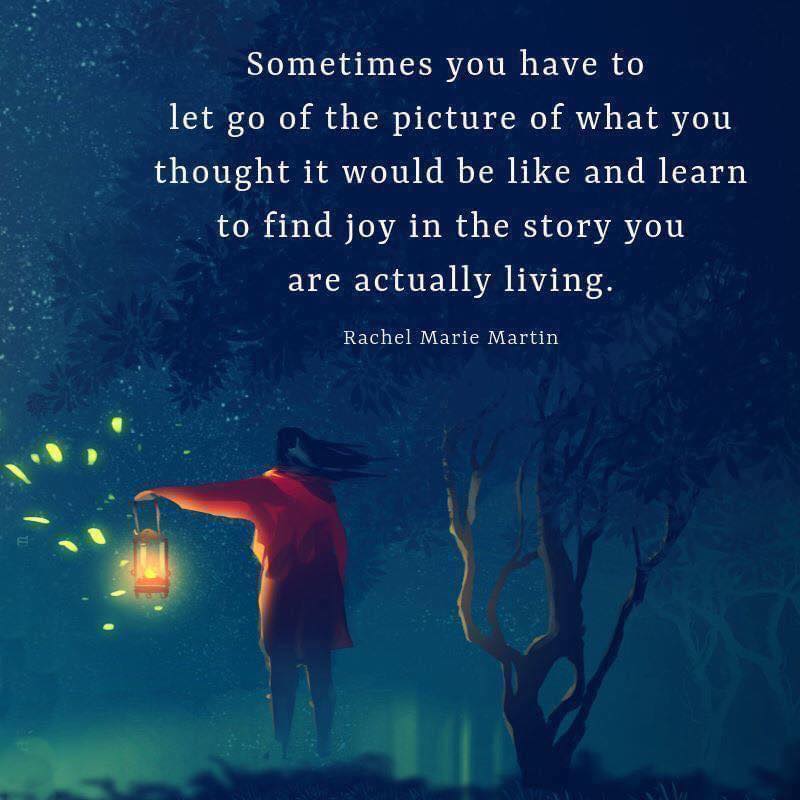
Meghan and I on our best days will always choose ‘Joy!’


 beatingcowdens