Sometimes my unanswered prayers end up being what I am most grateful for.
Sometimes what happens is not what’s “right.”
Sometimes we can fight to change it.
Sometimes we have to stop fighting and move on.
Sometimes we have to consider that there might be a bigger picture we can’t see yet.
There are a handful of songs that have shaped me as a person. Among them is “The Gambler” by Kenny Rogers. Somehow the chorus has come into my mind at some of the most challenging times in my life.
“You got to know when to hold ’em,
Know when to fold ’em,
Know when to walk away,
And know when to run.
You never count your money
When you’re sittin’ at the table.
There’ll be time enough for countin’
When the dealing’s done.”
My life, sometimes my very existence, feels like it has been one fight after another.
I don’t mean aggressive battles among peers or friends. I mean battling “the system.” Whether it was fighting the limousine company that tried to change the contract 5 days before our wedding in 2000, (yes we walked away, got to the wedding in another limo, sued them, and won,) or health insurance companies that don’t want to pay for tests, procedures, scans, and surgeries Meghan and I have had, or doctors themselves who sometimes just don’t listen, the list of fights goes on and on.
I have a stellar record in this never-ending stream of confrontations.
But at what cost?
I sometimes worry my memory is failing. There are so many things I can not recall. I am sometimes comforted by the movie “Inside Out” and the notion of my brain making room for the things that matter.
The last decade has definitely been among the most formative of my life. Mom always said you do more changing in your 20s than in your teens. I’m not sure where that leaves your 40s!
Sometimes I shake my head in amazement at the journey that included removing a few organs between us, attacking a few tumors, hospitalizations, appointments, graduations, celebrations, and loss. Sometimes the loss hurts maybe more than it should.
I was lucky enough to arrive in my 40s with grandparents. Not many people can say that, and yet not a day goes by when I wouldn’t gratefully accept another one with them.
My father died in 2013, soon after I turned 40, and the ache from that loss, after we had so recently found each other is constant.
And that brings me back to “The Gambler.”
“You got to know when to hold ’em,
Know when to fold ’em,
Know when to walk away,
And know when to run…”
I’m not sure anyone knows Dad referenced that chorus in December 2013 in his VA hospital room when I was tasked with telling him his kidneys were shutting down in response to a cancerous tumor in his pancreas. He was so calm. I wanted him to fight so badly. I wanted to keep him with me. I wanted to scream. But he simply told me it was time. He had fought plenty in his life. And he had overcome. But, this time he knew…
School was not ever Dad’s strong suit, but he was a student of life. He knew the numbers, the stats, and the odds. He knew the reality of how his situation was going to end.
Unanswered prayers. Maybe they prevented things he never would have wanted. Maybe they were what we all needed. I am not sure, and I look forward to hugging him tightly again one day. But for now, the lesson of the value of those unanswered prayers is something he left behind, that I can call upon right now when I need it most.
I fell in January of 2019 in my classroom. I was teaching and a chair moved as a restless student changed position ever so slightly as I circulated the room. My feet did not anticipate it, I could not have seen it, and my left foot stayed on that chair while the rest of me hit the ground. Hard. It was one of those moments where I just knew things would never be the same.
I filled out all the accident reports before leaving for x-rays and MRIs. And, as so often seems to be the case, things got complicated.
My injury wasn’t properly diagnosed until March of that year, much later than I needed that diagnosis, as the damage done walking on a partial Lisfranc tear during those first 8 weeks proved irreparable.
I have fought for that foot on repeat since 2019. Surgery in 2020 did nothing to make things better. As a matter of fact, the addition of 3 screws, well, let’s just say the foot is unimpressed by their presence. And, the rock/ hardplace scenario continues as the surgeon told me removing them will make things worse.
A year of remote teaching did nothing for my foot, although that year, unanswered prayers brought me closer to some amazing colleagues, students, and families.
Teaching in person seems to accelerate things in the wrong direction.
I applied for accident-related disability retirement in 2021 and again in 2022. The denial that came this time, which follows a transcript of me being berated by a doctor who has never been in a classroom, shook me to tears on more than one occasion. The decision actually reads that the fall was not an accident.
I am pretty sure it is the textbook definition of an accident.
I was chastised for going to work. No one could explain how I should treat this injury if I stopped working and lost my medical coverage.
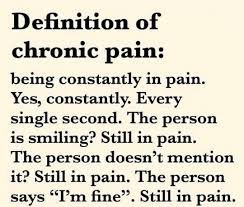
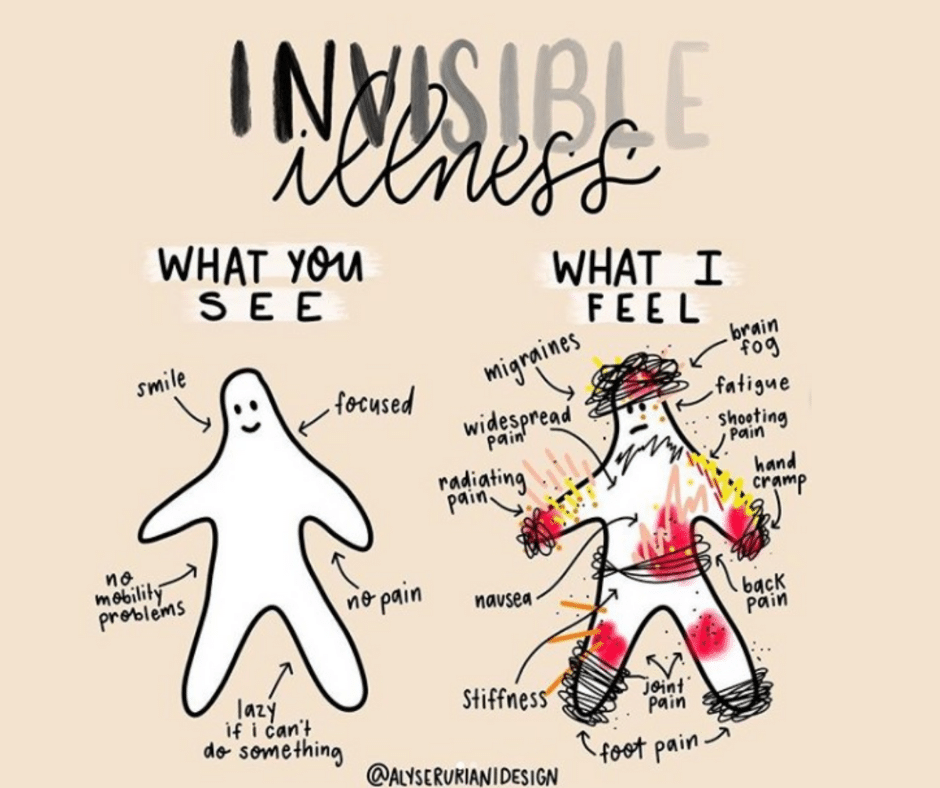
My foot is in never-ending pain. My left hip aches. My right knee is wearing from a constant subtle limp. Complex Regional Pain Syndrome is quite real if you ever wondered. Sleep is often more of a goal than a reality.
I should fight. I should appeal again. I should write a letter of complaint for the way this doctor handled me. I should. But, I am not going to.
I can’t fight this one.
And as many times as I have modeled for my daughter on repeat that she should fight with all her might, I am going to model this time, that sometimes you need to “… know when to walk away, know when to run…”
“If it costs you your peace; it’s too expensive,” and this fight is way over budget.
I spent a few years pulling back. The world has gone mad. The battle of #beatingcowdens alone is typically enough to keep me busy. In this post-pandemic and politically divisive country, I could not continue to be the additional heaviness in every conversation – so I stopped having them. I missed a lot in other people’s lives I am sure. But I think pausing to reflect on my own unanswered prayers, has put me in a better place than I was before.
People can judge all day about my new desire for some global and systemic ignorance. I know all too well that “knowing” is subjective and often solves nothing.
Unanswered prayers – well, maybe they are answered, just not on my terms. Maybe I just need to pause and think and shift perspective, no matter how hard it is.
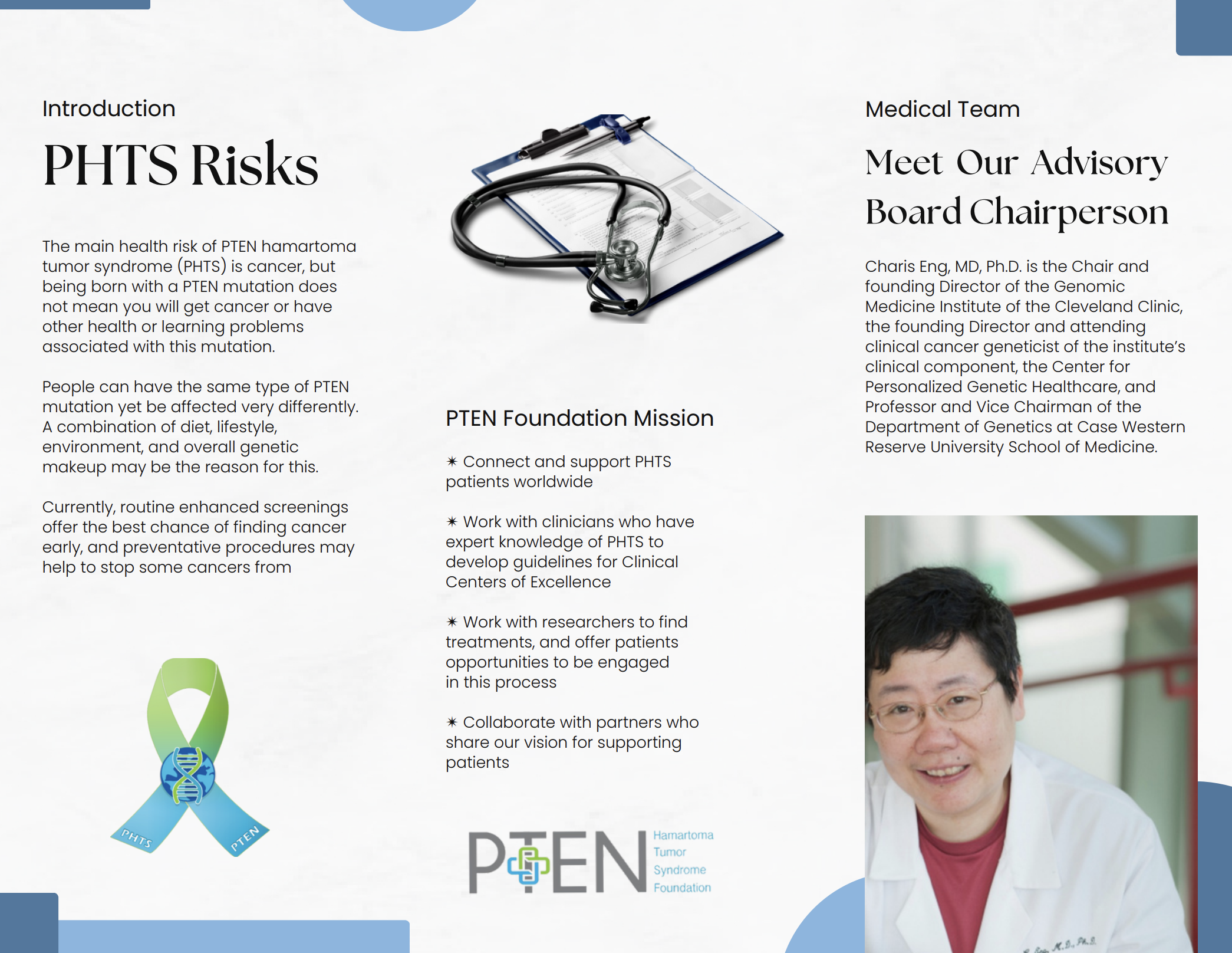
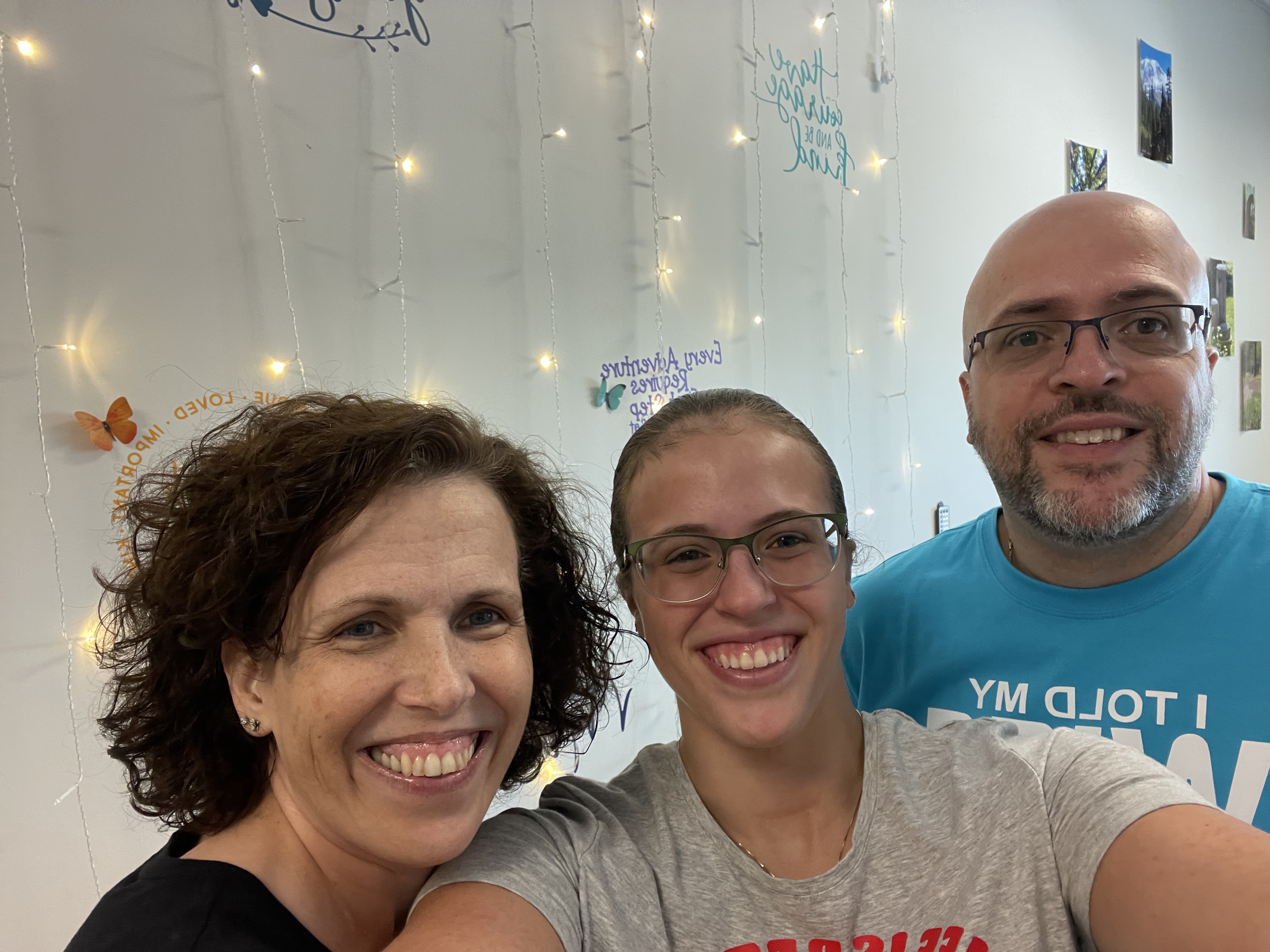
And as a 49-year-old mom of one amazing young woman, wife to a seriously incredible human, a rare disease patient, and a cancer survivor, I have decided this battle for my foot has to get set free.
Who knows, maybe the answer came in forcing me to slow my roll and look around with more feeling and sincerity than ever before? The only speed I ever knew before was fast. I did not even know there were lower settings on the dial of life.
I have prayed a lot for the healing of my foot. I prayed a great deal that the medical review board would be compassionate and see the facts of my case. Both were not answered as I asked, but maybe they were answered in a way that was better or necessary.
In just the past few years I have spent a week on my knees as my husband, the healthy one, endured that week in the hospital battling Covid pneumonia. He came back to us, and our relationship, our central triangle has never been stronger.
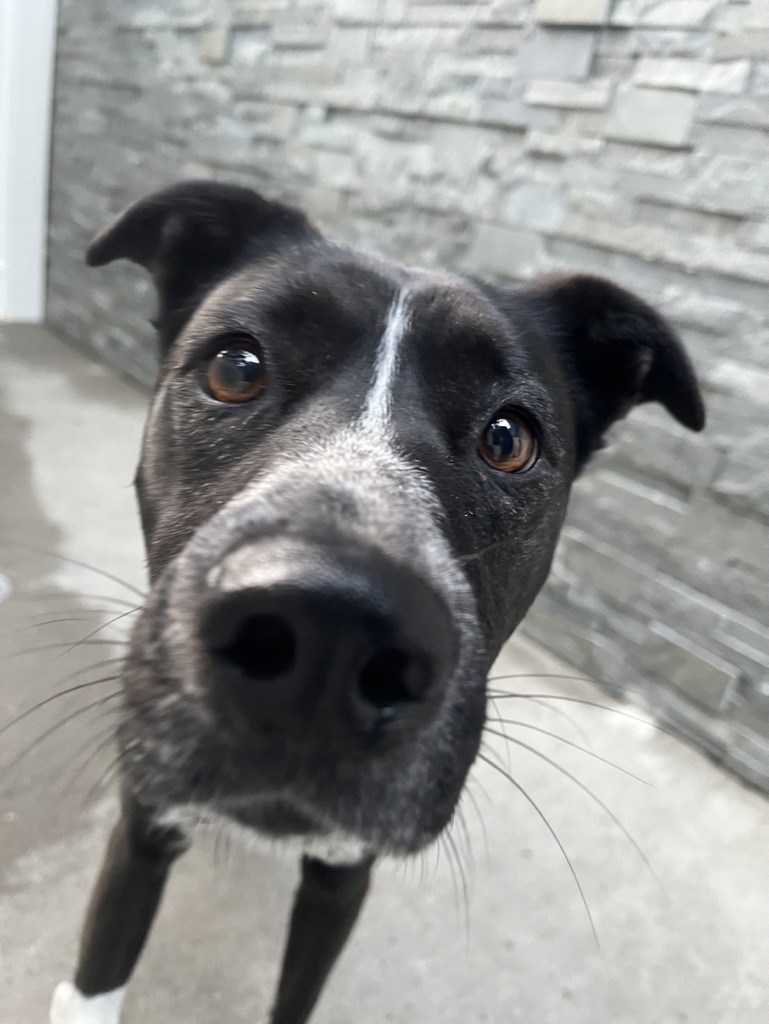
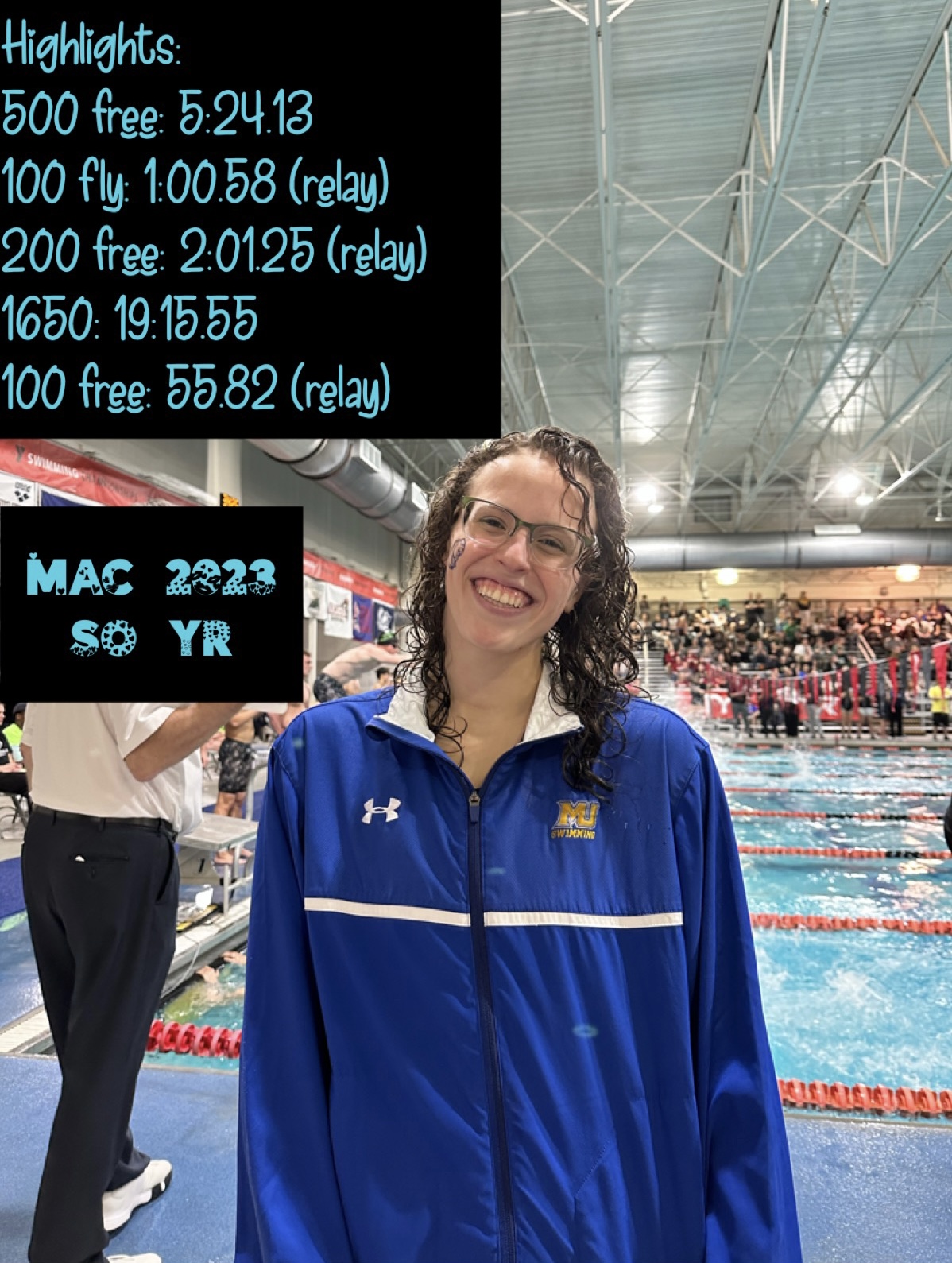
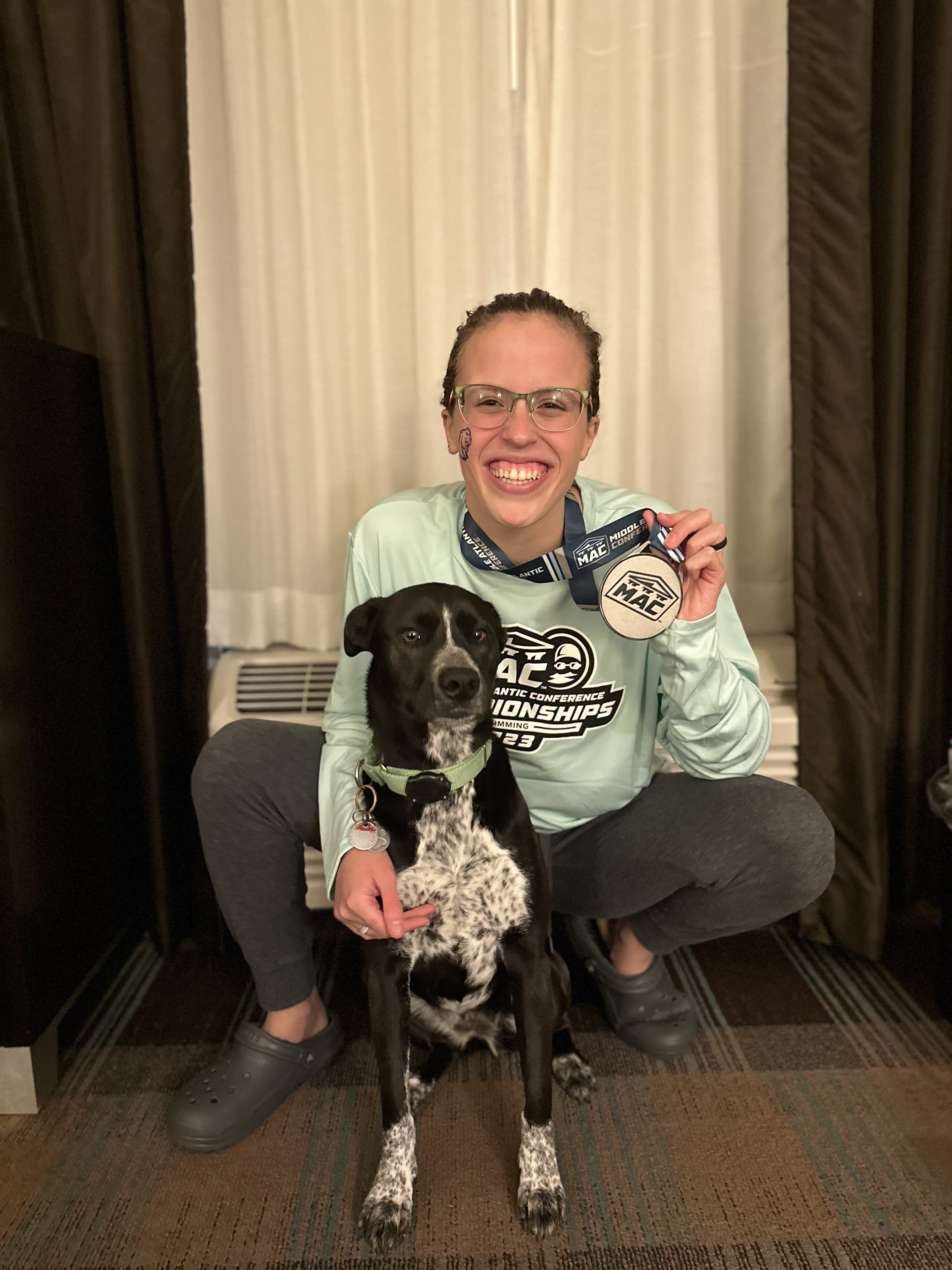
I have prayed to have my child delivered back to me safely from more operating rooms than I care to count. I prayed fervently for Ella, Meghan’s faithful service dog, to arrive in time for her to transition to college. At college, both Meghan and Ella now flourish.
I have prayed extensively for things that I was blessed to see.
I have prayed for things that did not come to be.
I have prayed for peace, clarity, and understanding when things did not go as I hoped.
I have prayed for patience and wisdom, especially for things I can not comprehend.
And I find, on repeat, that when I sit still and really listen, I can find blessings pretty much anywhere.
I have come to wonder if maybe my unanswered prayers are just answered prayers I don’t quite comprehend…yet.
So, I am looking to take this life one day at a time. I am trying my best to make the world a tiny bit better and find joy in the little things. I am moving much slower. I am noticing things I never saw before.
And, remarkably, I am finding peace in this slow-paced gratitude.
Trying each day to be a better human, we remain…
#beatingcowdens
Romans 5:3-5


















 beatingcowdens