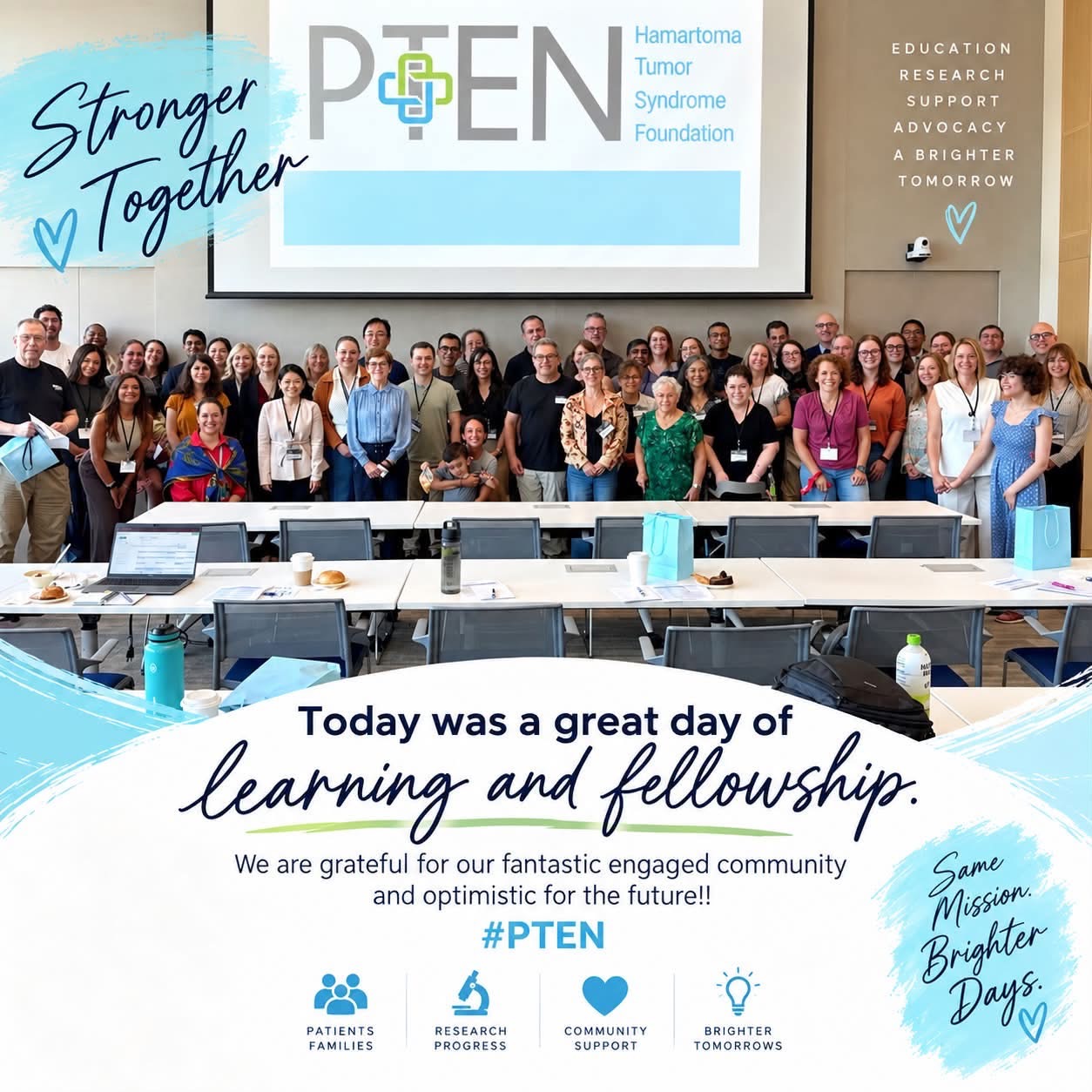
I had the exciting experience of attending the 2026 PTEN Patient Symposium yesterday at CHOP. Sometimes, 15 years after diagnosis, you can get in a rut, thinking you know everything you can know.
Instead I am learning in the rare disease world, longevity of diagnosis can be your enemy, and it can make you complacent or accepting of what already is without seeking more!
The biggest reality check I had yesterday is that NONE OF US knows everything, because what is relevant is changing constantly.
The mind blowing revelation that I was already a college graduate in 1996 when the PTEN gene was connected to Cowden Syndrome gave me a great deal of perspective.
Getting to meet people I only “know” on line was amazing.
I came away with a long ‘to do’ list and a pressing need to recategorize all of our medical files in ways that are easily accessible without relying on a digital chart or a doctor to keep them for me.
I have already found answers to questions in Meghan’s reports from 2004!
Those of you who normally follow because you are kind, and looking to stay connected to us, this is likely to bore you very quickly.
Those of you who are PHTS patients or parents, I hope my rundown of the day helps you! It is definitely slanted towards the things that drew me in for Meghan and I, but I included many screen shots of the slides!
We are indeed “Stronger Together!”
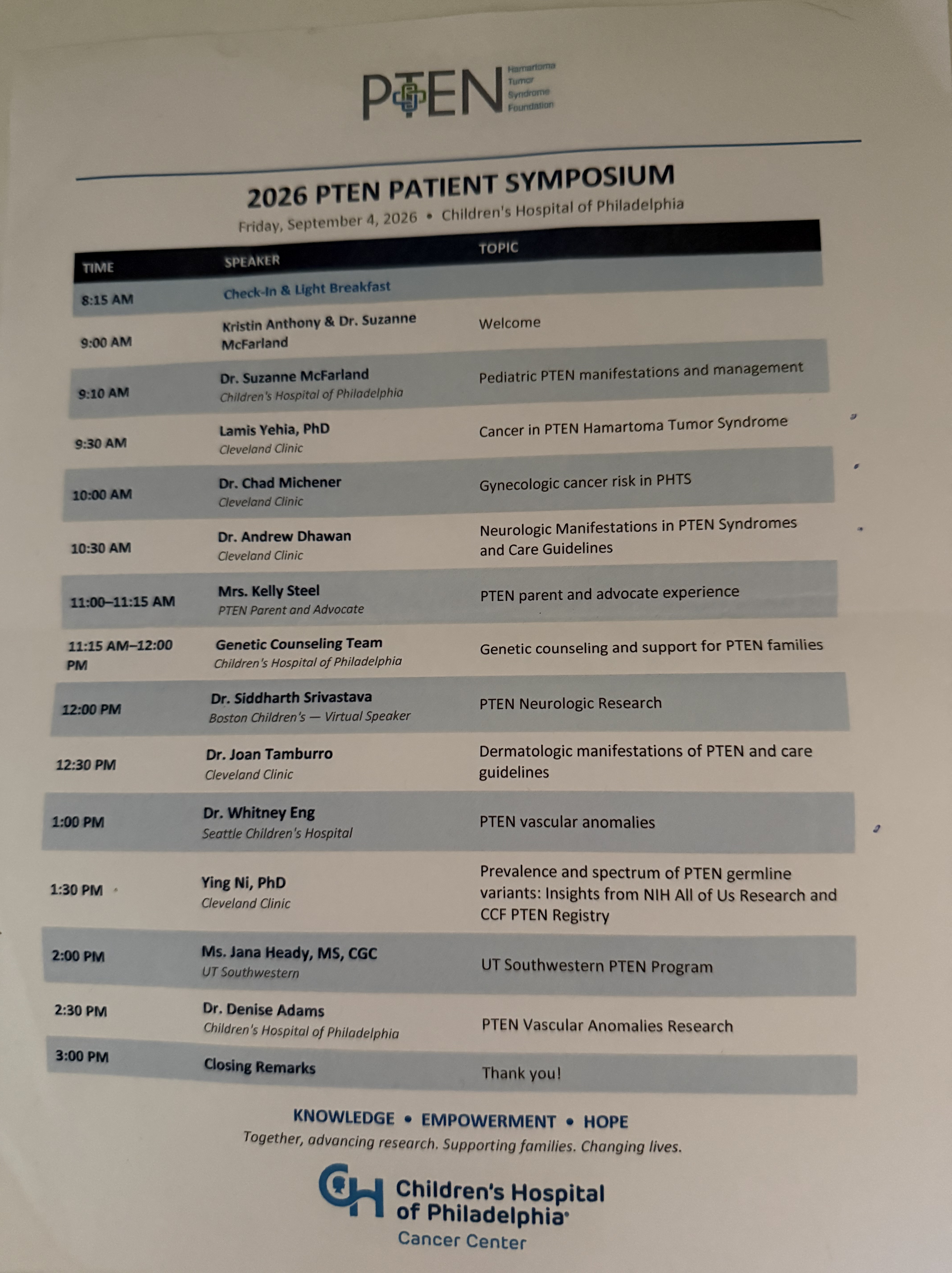
PTEN Patient Symposium
September 4, 2026
CHOP
9:00 Kristin Anthony PTEN Foundation
Kristin welcomed us and gave a heartfelt thank you to all attendees. She also told us that the PTEN Foundation will be posting an opportunity for a Scientific Director role. The position will be located in the Southeast and it will help the foundation move forward! Exciting times!!
9:10 Dr. McFarland (CHOP)
Pediatric PTEN Manifestations and Management
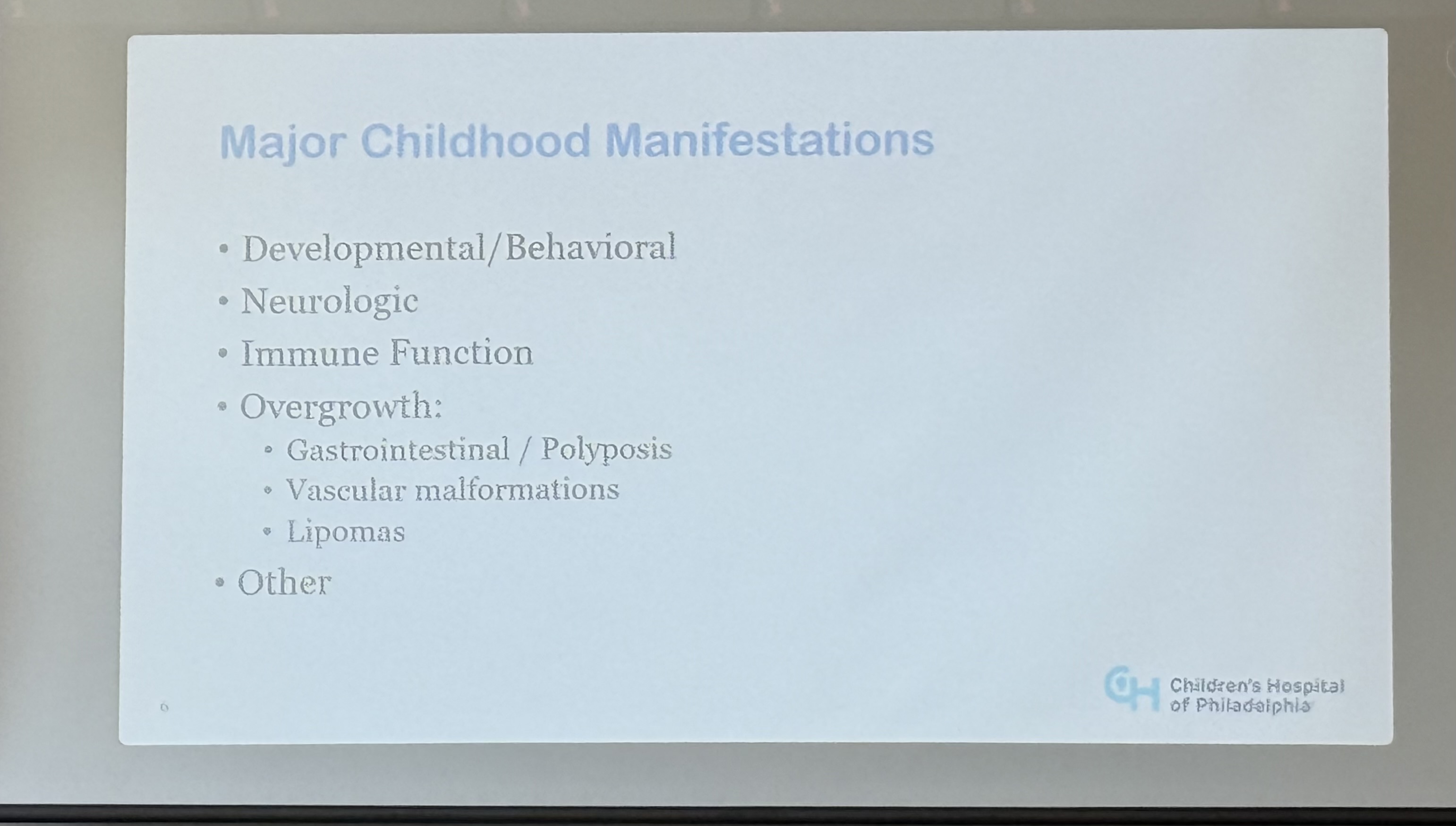
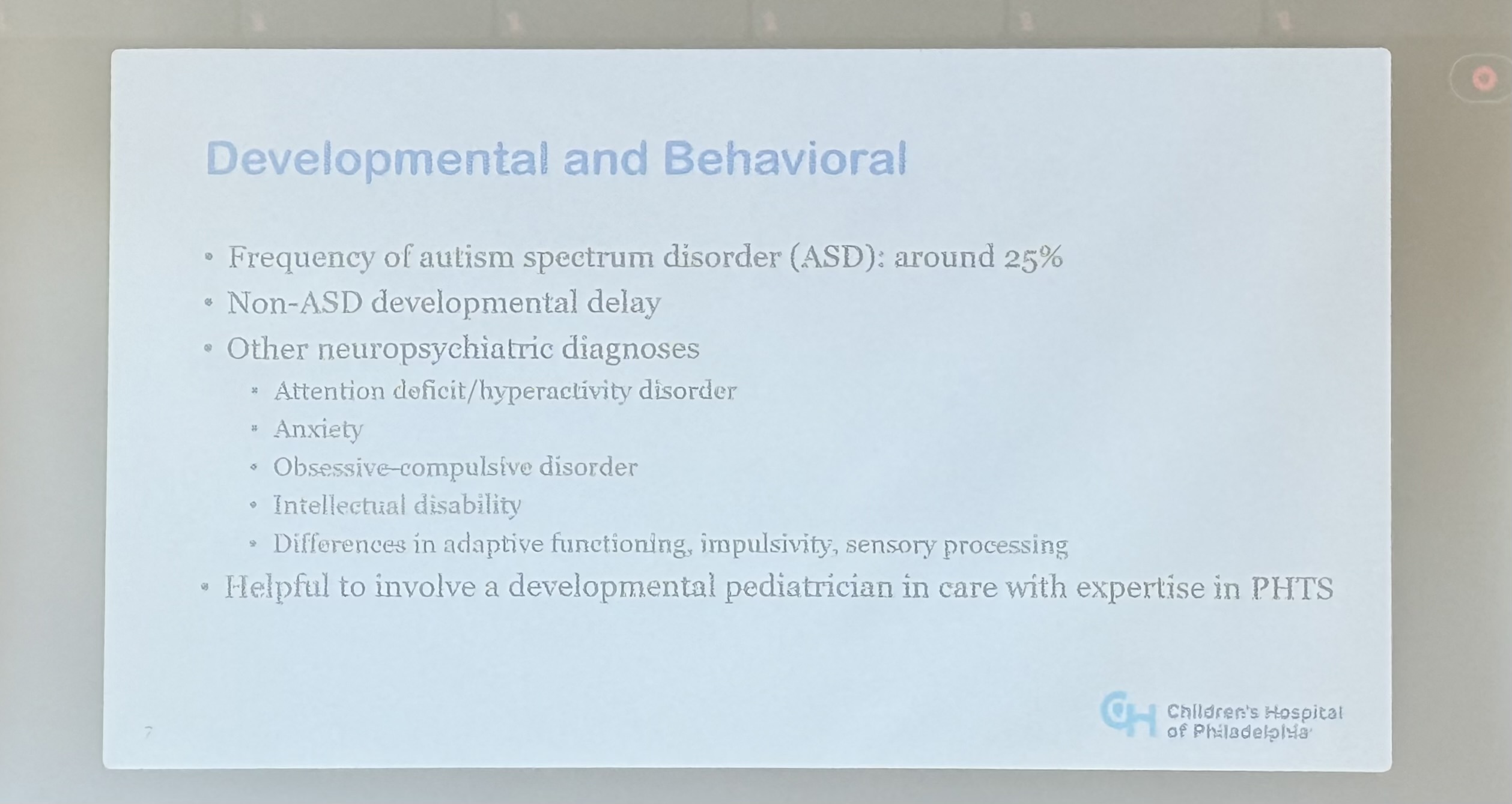
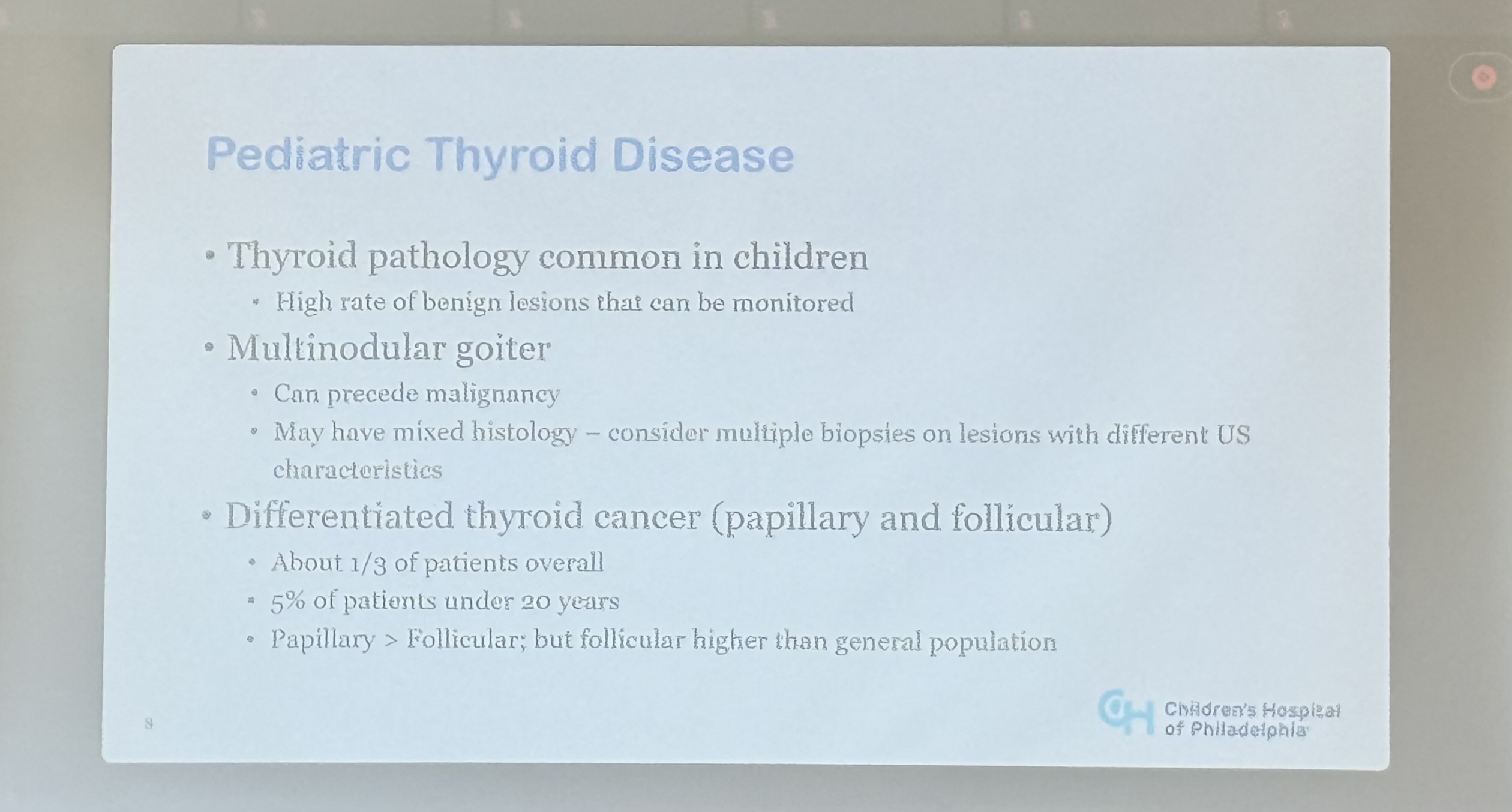
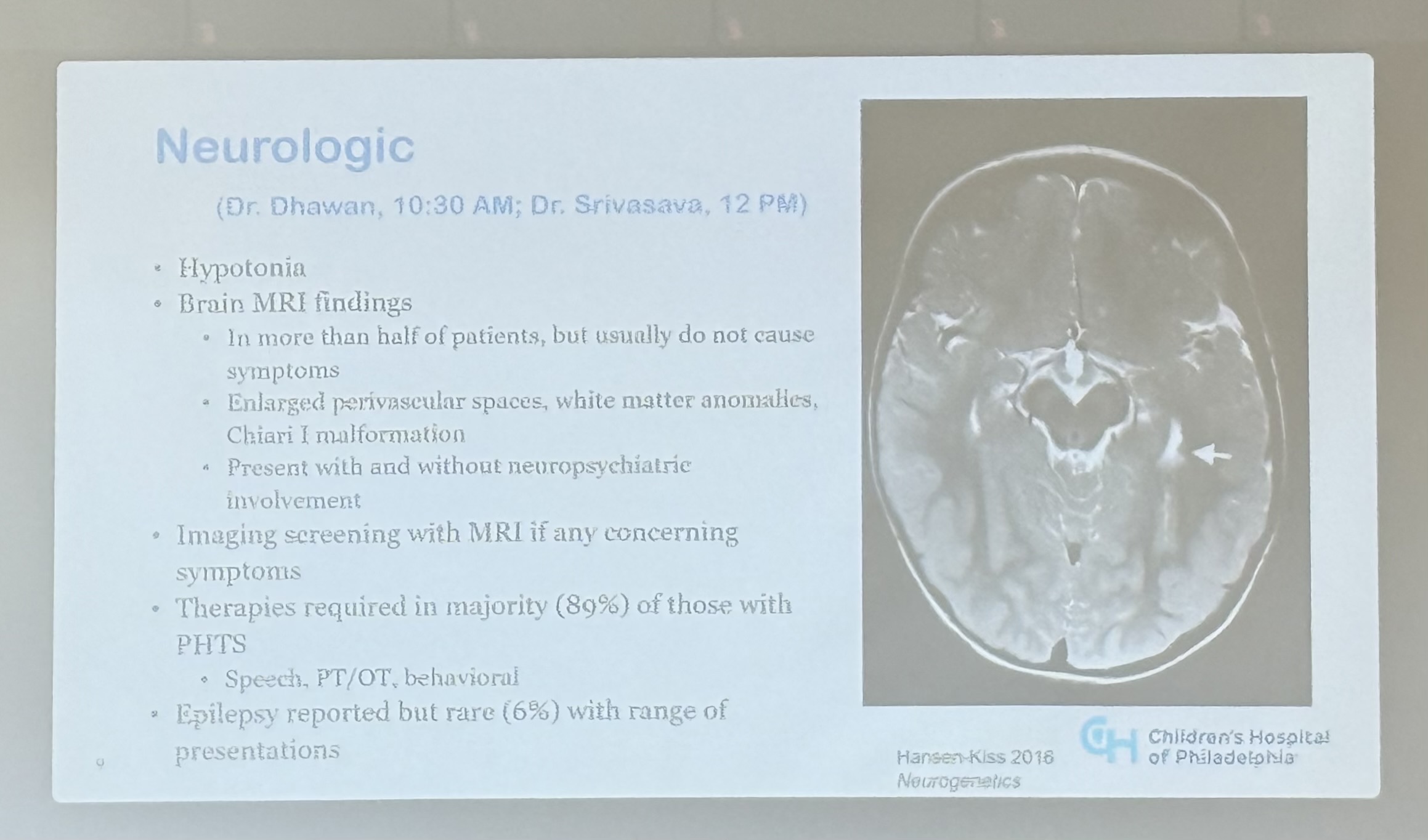
*Almost half of all patients when scanned will have a finding that does not require intervention, but causes unnecessary anxiety. They only scan the brain if a patient is symptomatic.
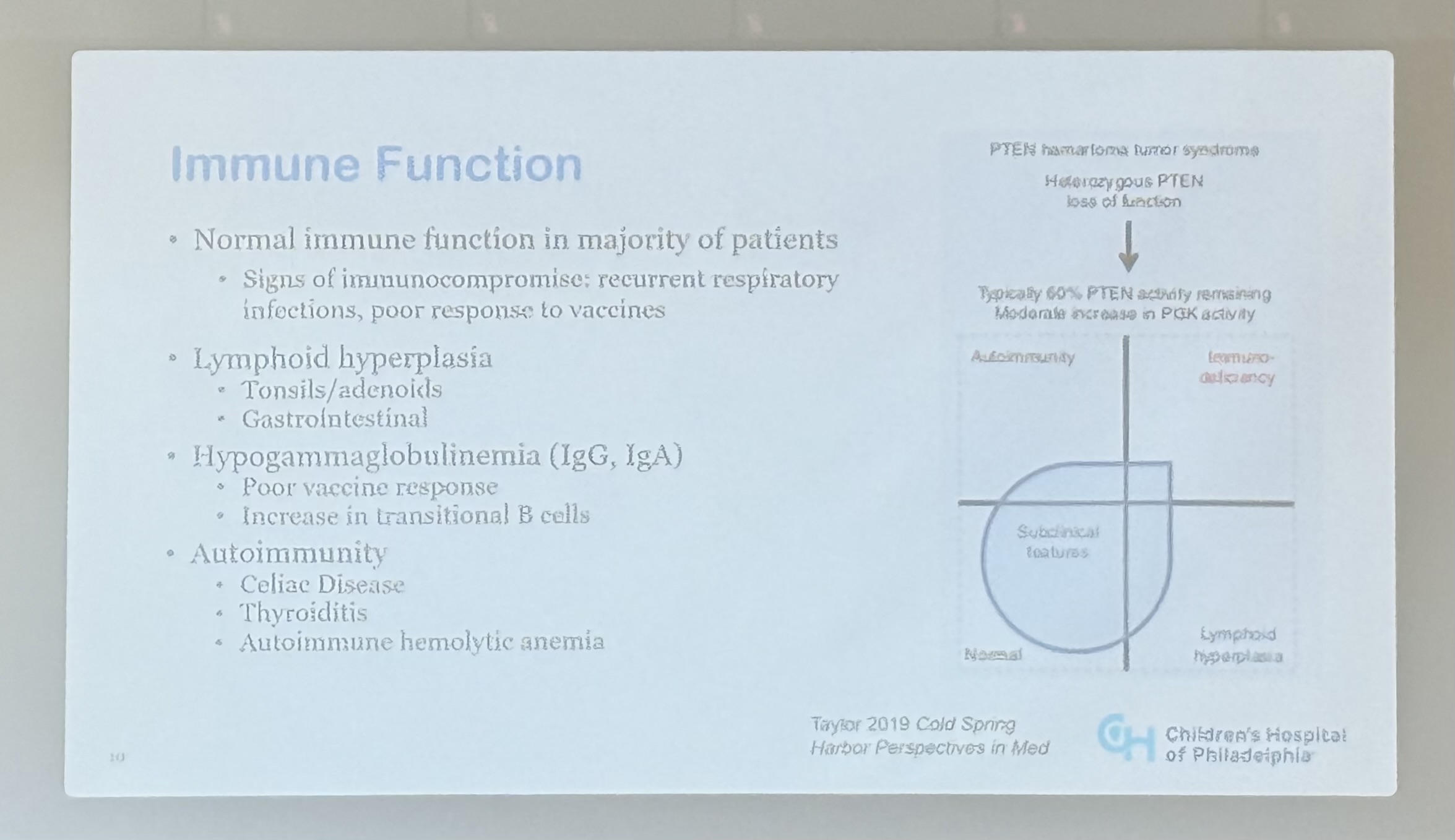
Hypogammaglobulinemia of Infancy was Meghan’s diagnosis at about the age of 2. ( PTEN diagnosis did not come to us until she was 8, so we ware learning many things in hindsight!) In addition to that, her IgG subclasses were often low as a child. Her Pediatrician/ Infectious Disease doctor treated liberally with antibiotics which were often needed to come through “simple” infections. Immunizations were paused and later completed at the age of 16 when immune function was considerably improved. That was an area of disagreement among the MANY specialists we saw. We are in no way opposed to vaccinations!
Meghan’s tonsils and adenoids were removed at 4, after repeated bouts of chronic strep. Although the pathology was “chronic tonsillitis and reactive lymphoid hyperplasia,” a relatively common finding, the doctor told us they were “the most diseased tonsils I’ve ever seen.”
I am told that I suffered from chronic infections as a child and was hospitalized for pneumonia. I was often sick and frequentlyneeded antibiotic treatment as well. As an adult I get sick only 2-3 times a year, but still typically require antibiotics for even “simple” infections.
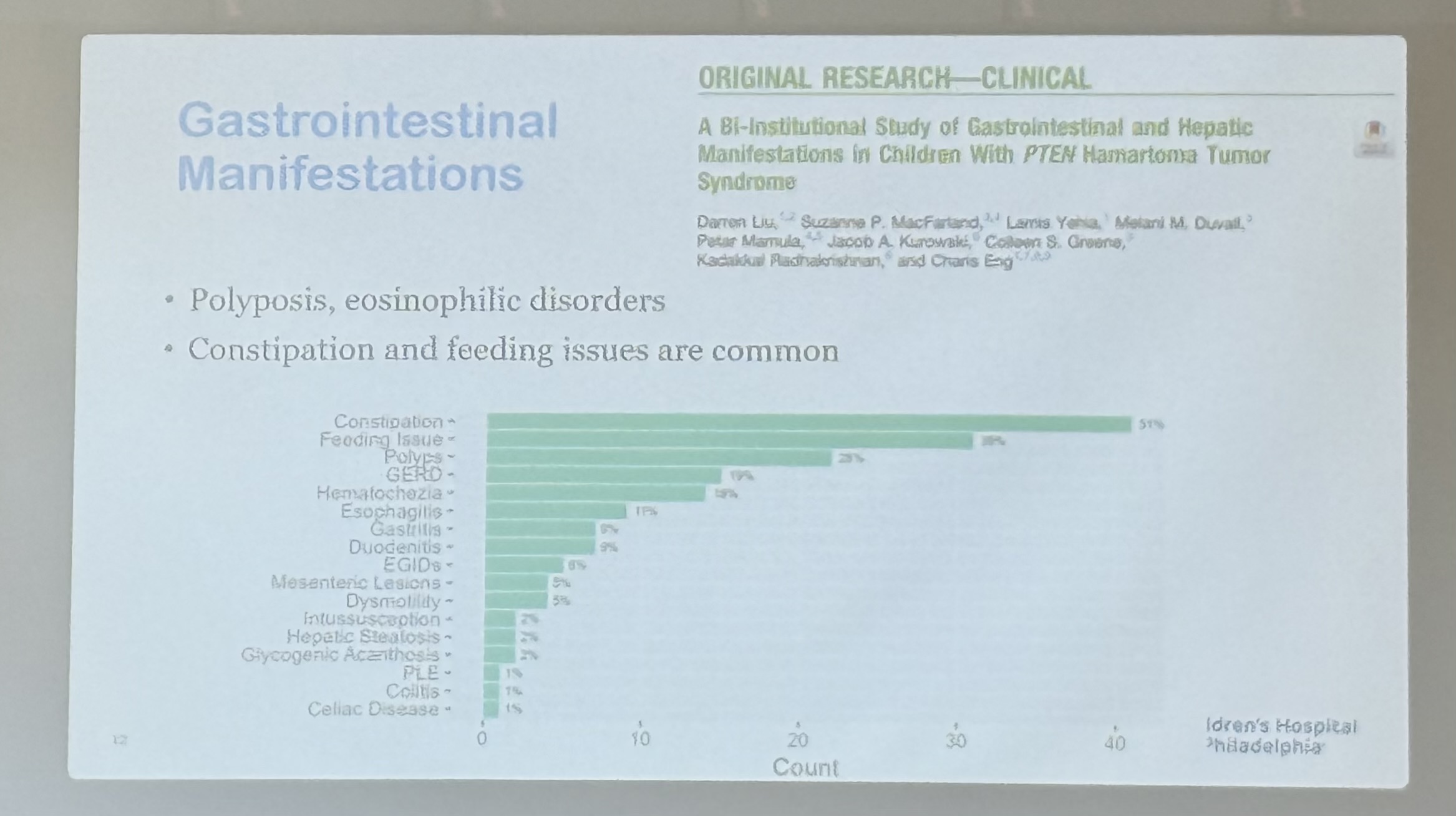
My own GI “issues” consisted of me somewhat regularly vomiting as a child, and finding myself in very embarrassing situations. I realized early to stick to a basic and somewhat bland diet. I avoid high fat foods, as they make me uncomfortable, and treat constipation with additional fiber. Most recent colonoscopy in 2022 was uneventful. I will have my next one in 2027 and remain diligent as “90% of PTEN patients over 35 have GI polyps” and the elevated colon cancer risk is not to be ignored.
Meghan’s GI issues have been present and at the forefront since her birth. She was colicky. She tolerated only a very specific formula, and even that was a struggle. She spent a good deal of childhood on PPIs and various acid reducing medicines. A cursory search of our medical files finds at least 4 endoscopies and one colonoscopy. All were essentially inconclusive and polyps were minimal and benign.
Meghan’s gall bladder was removed in 2007 after a diagnosis of ‘milk of calcium’ and significant pain.
Her diet through the majority of development was gluten, dairy and soy free for GI comfort. Early on corn and egg were also problematic. Allergy testing only showed a mild positive (level 1) for dairy, and GI biopsies at 13 months were negative for celiac.
Reflux remains an issue to this day, as does constipation. Eating is sometimes a struggle as certain foods/ textures seem to cause esophageal spasms making eating impossible at points even though the desire exists.
9:30 Lamis Yehia, PhD Cleveland Clinic
Cancer in PTEN Hamartoma Tumor Syndrome
As someone who was born in 1973, hearing that Cowden syndrome was only first labeled in 1986, and that the corresponding PTEN gene mutations linked to Cowden syndrome were not characterized until 1996 can be mind-blowing. I was out of college and working as a substitute teacher in 1996. Literally all of the meaningful work on this syndrome has taken place during my teaching career!
I also noted a quote from this presenter, “There’s nothing (PTEN) cannot do.” Indeed!
A lot of this presentation was technical and statistics that are better seen on the presenter’s slides.
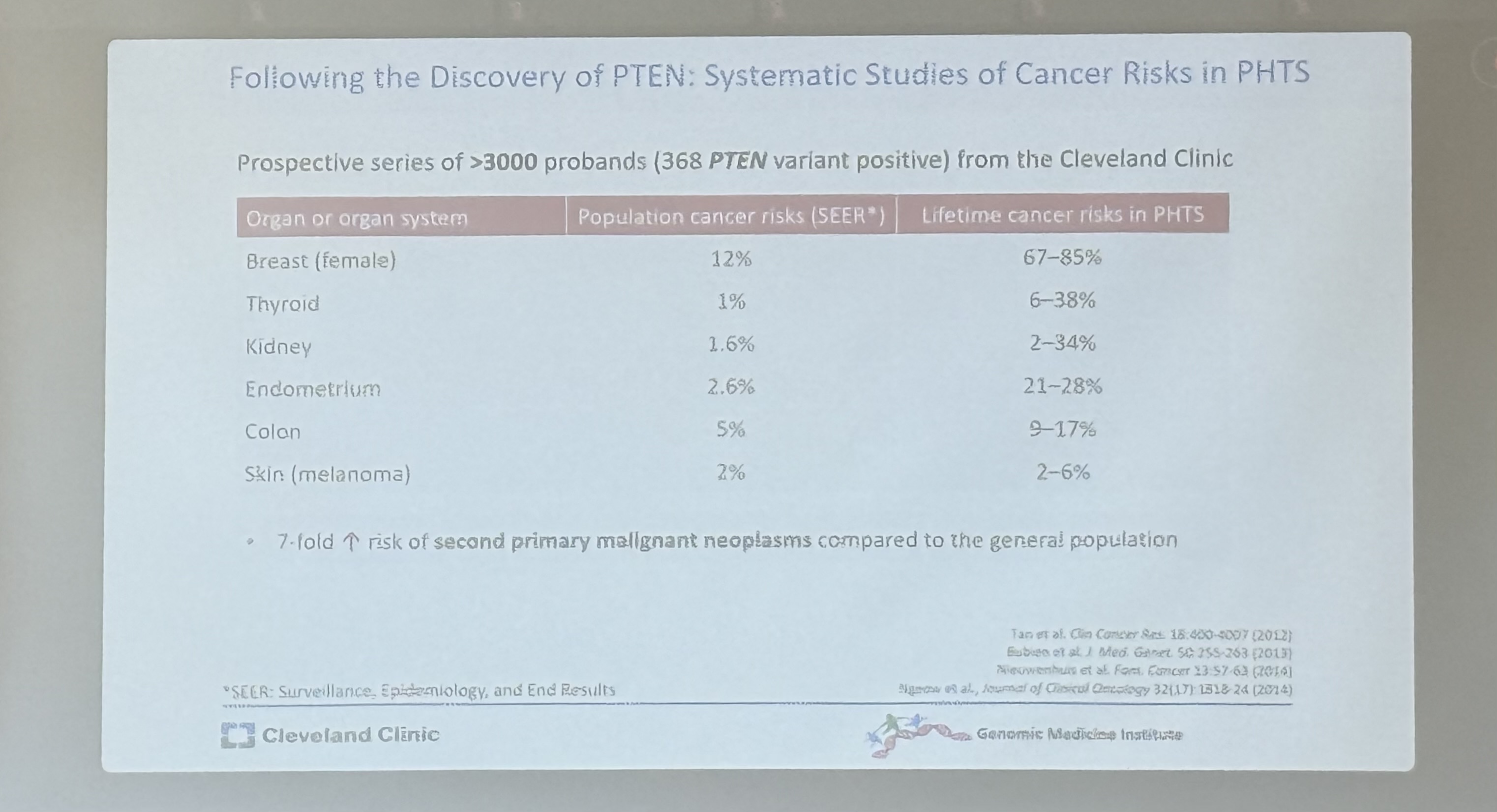
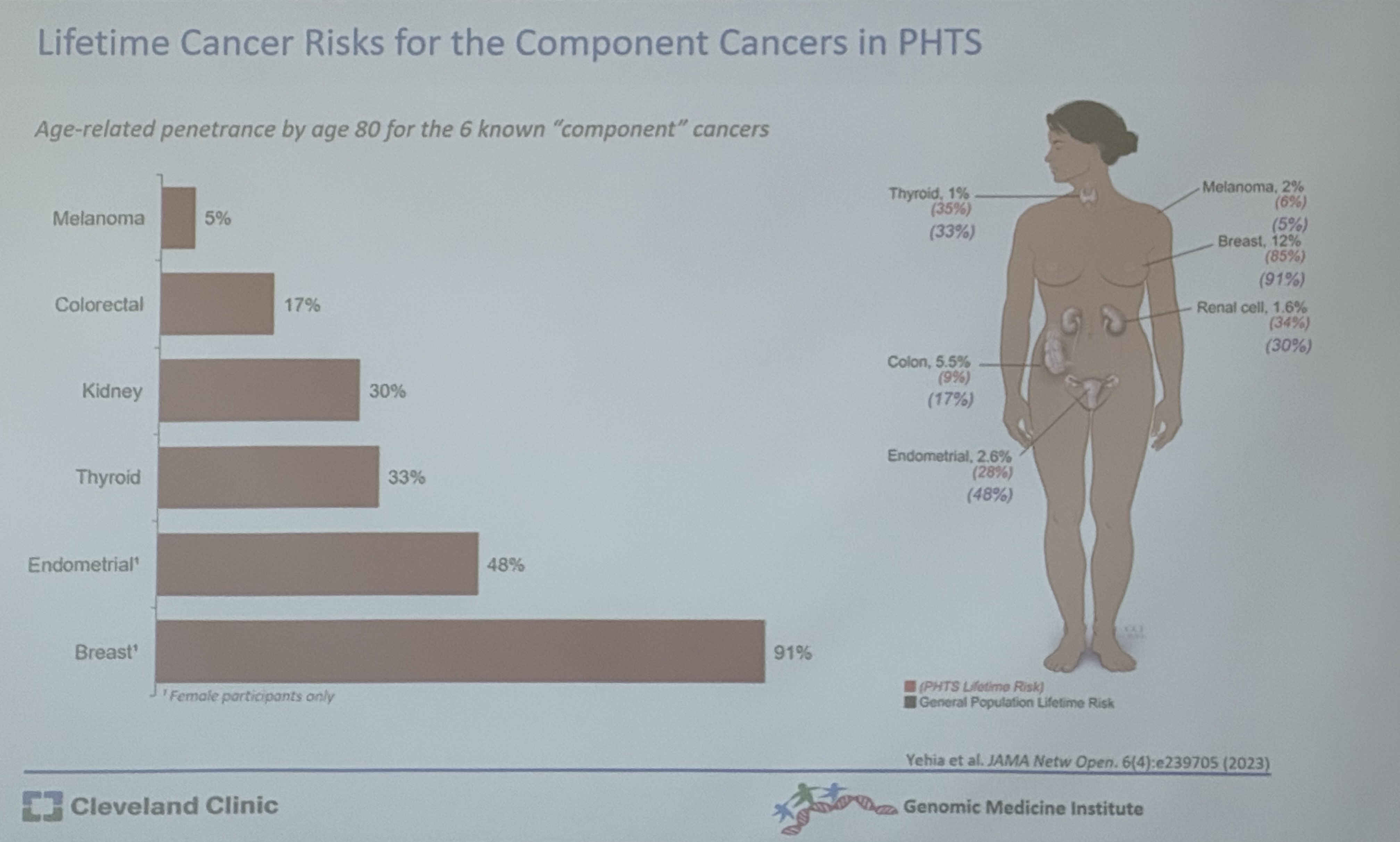
The slide below shows cancer risks for the six ‘component’ cancers in PHTS, both in a graph and by body part. On the human model, the black numbers indicate the general population. The red numbers are from a study published in 2012, and the purple numbers are the updated percentages of those with PHTS. The age related penetrance is 80 years.
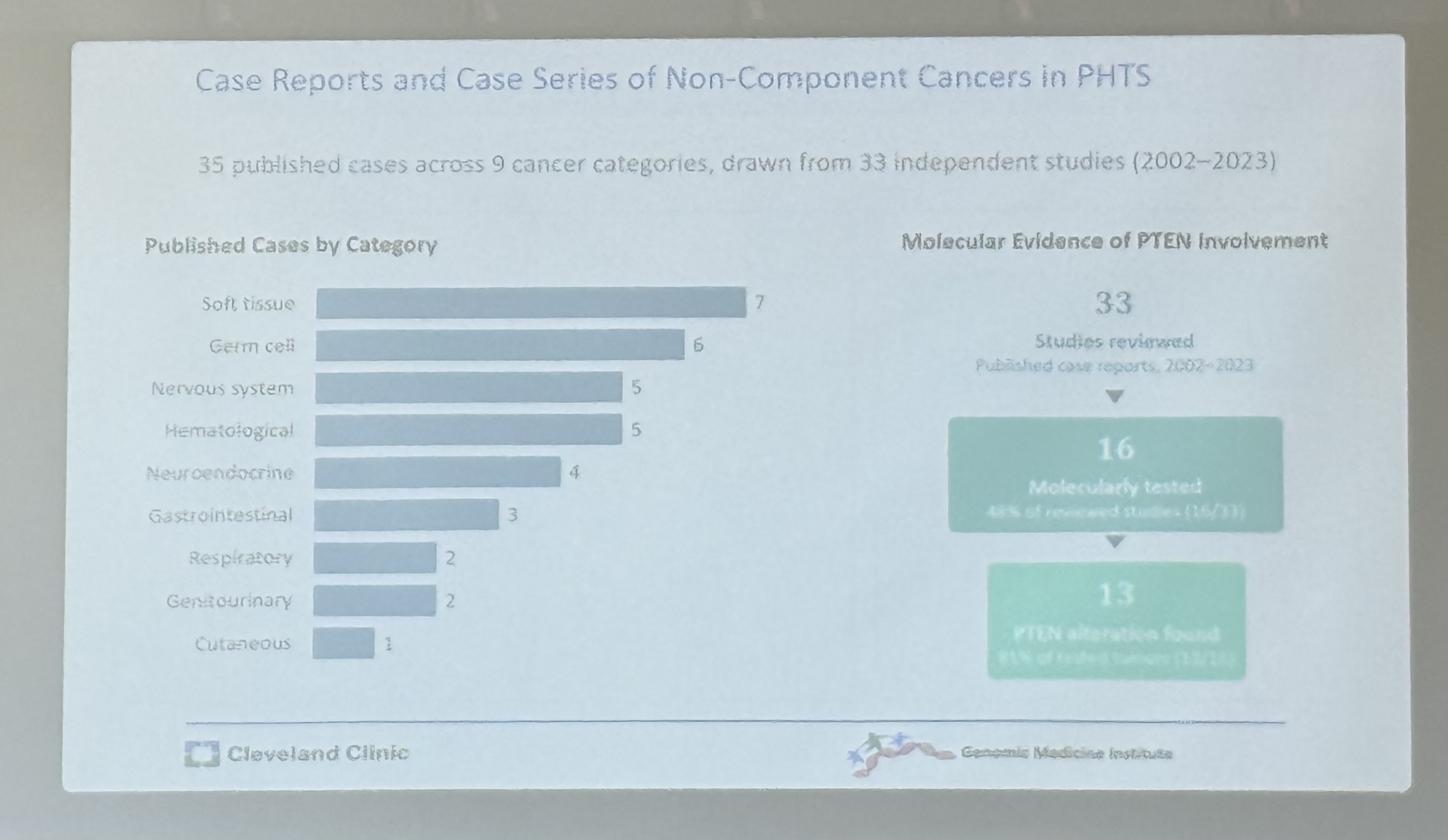
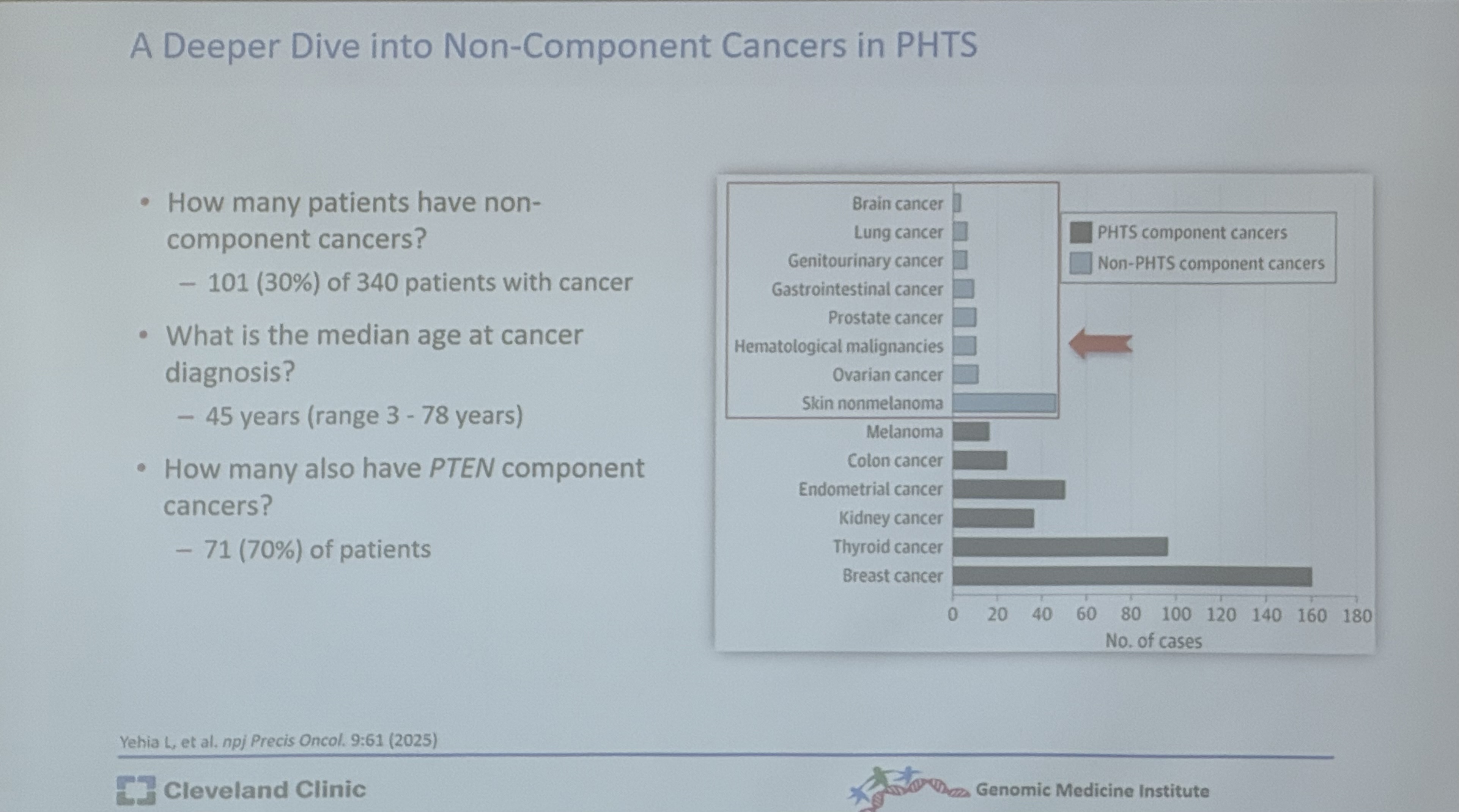
There was discussion on ‘non component’ cancers, and they are listed on the slide below. Attention should be paid to the small sample sizes, a hazard of working in a rare disease population. We were assured they are working on studying modifiers.
10:00 Dr. Chad Michener, Cleveland Clinic
Gynecologic Cancer Risk in PHTS
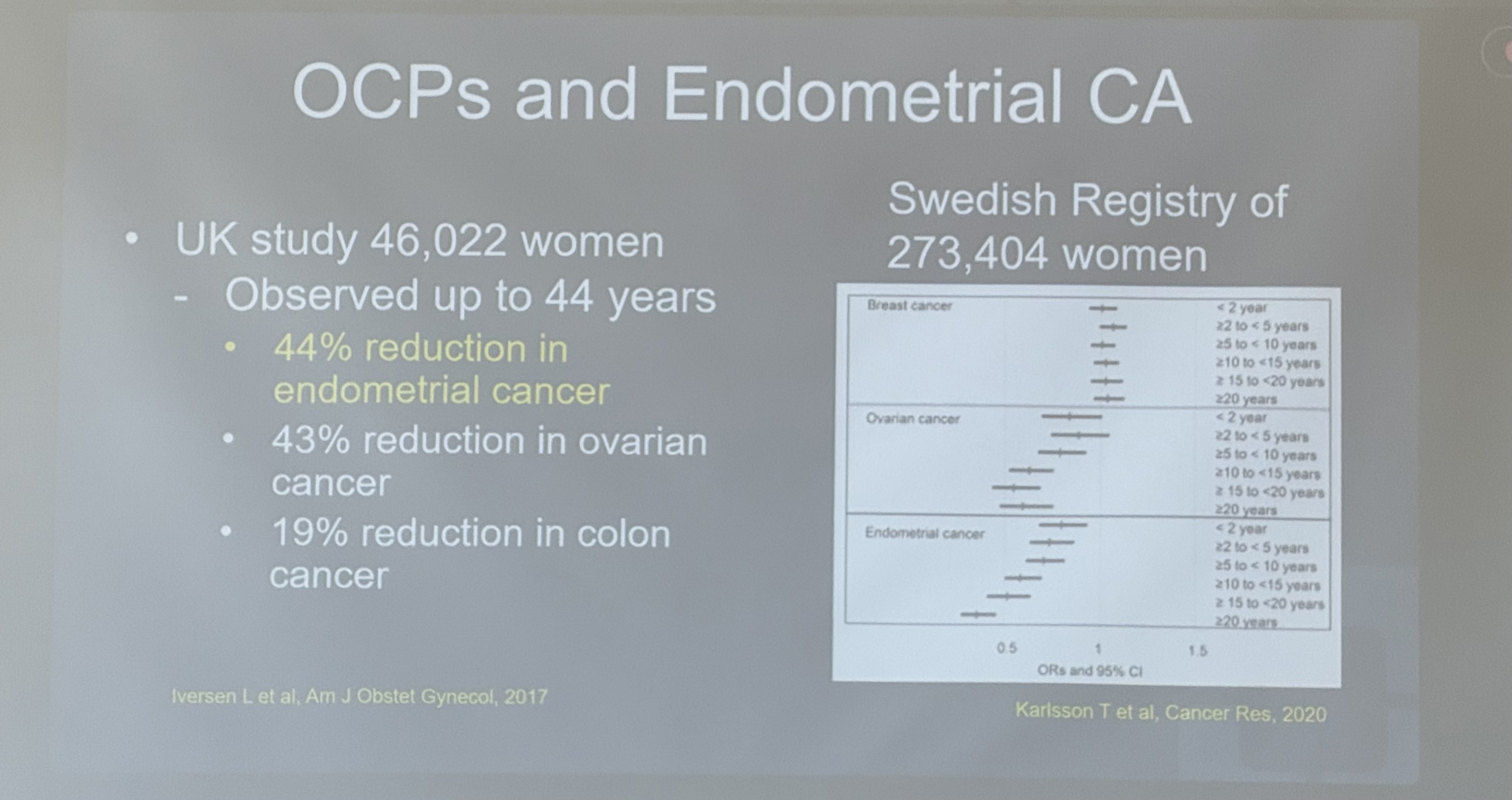
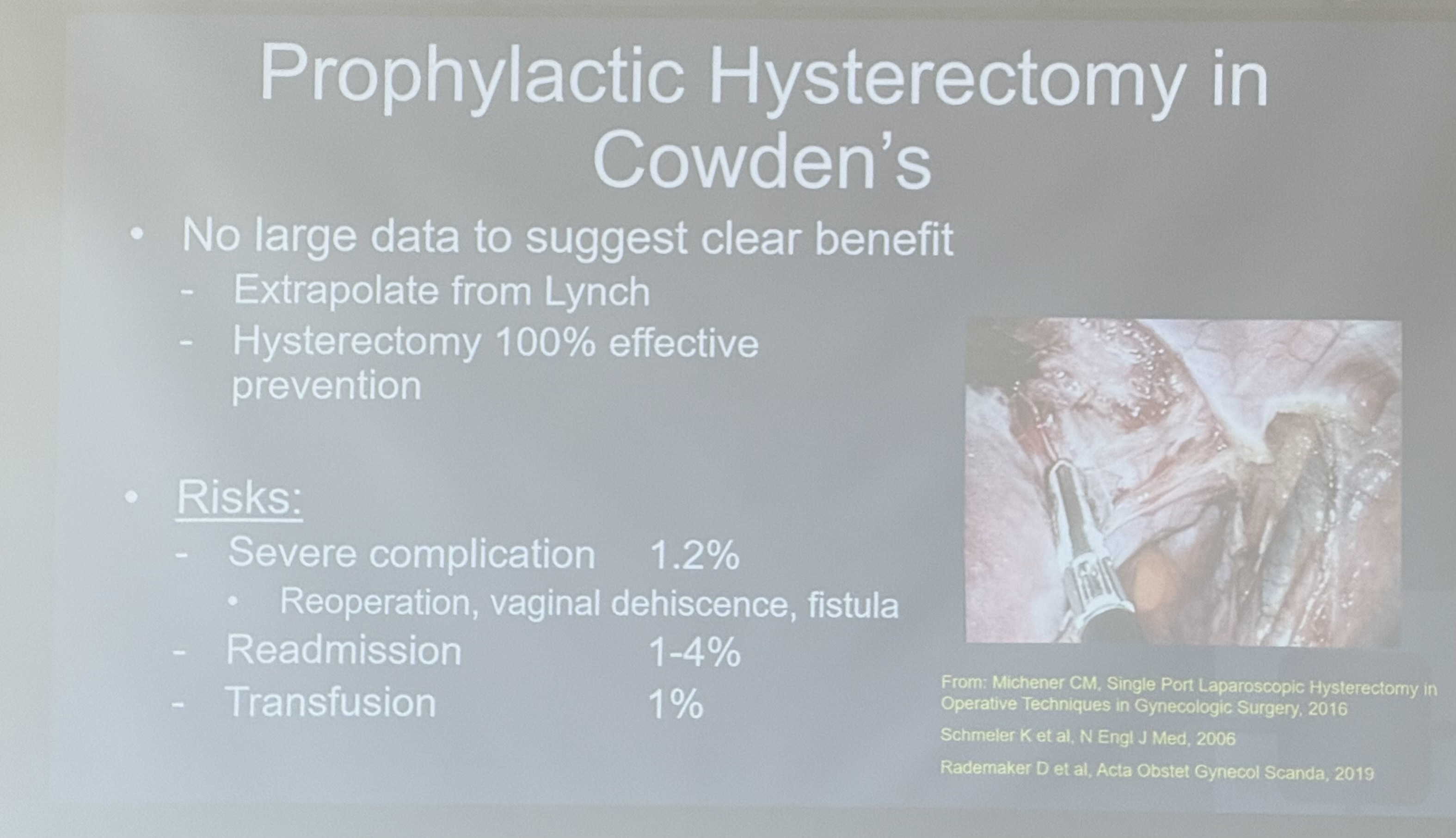
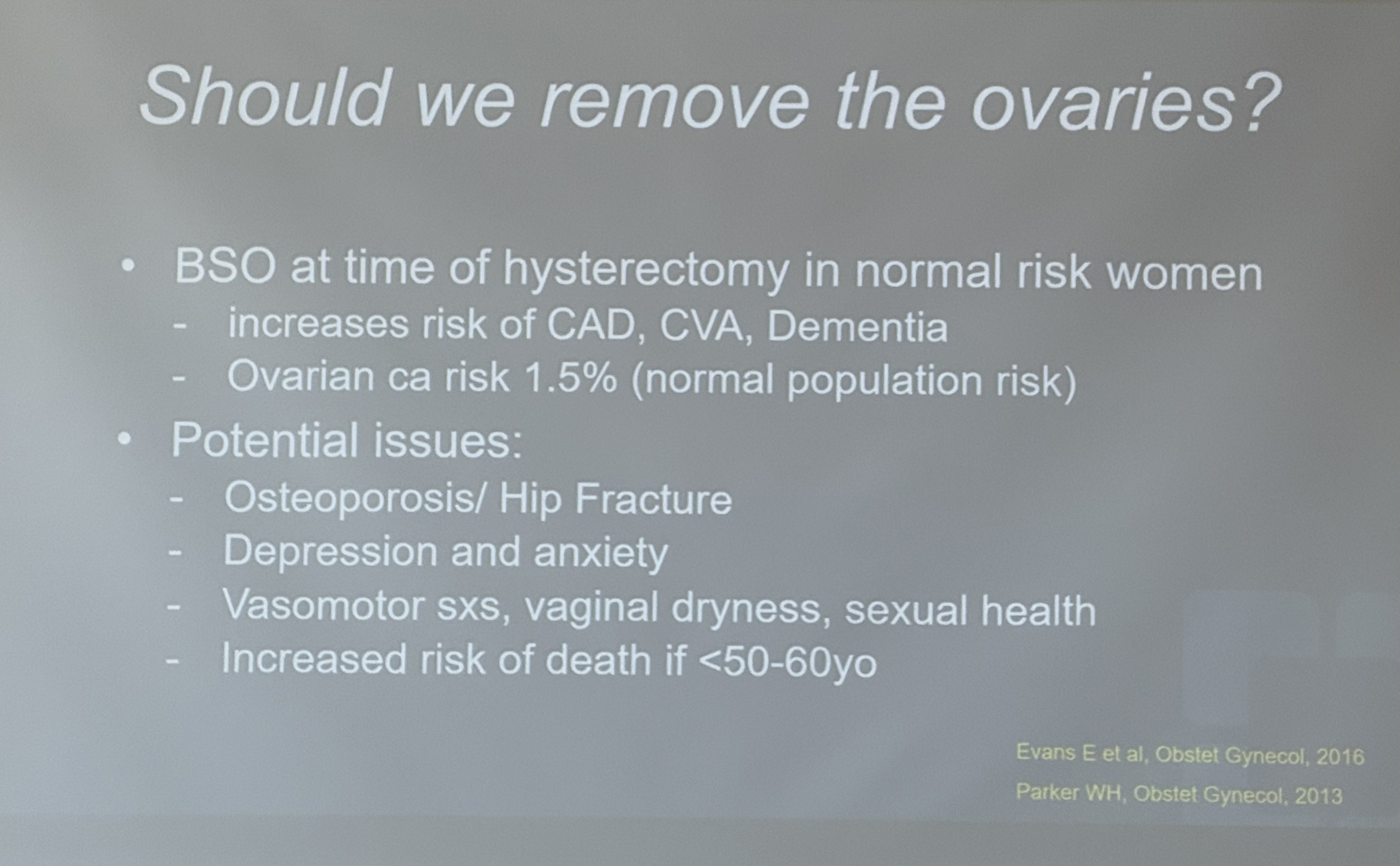
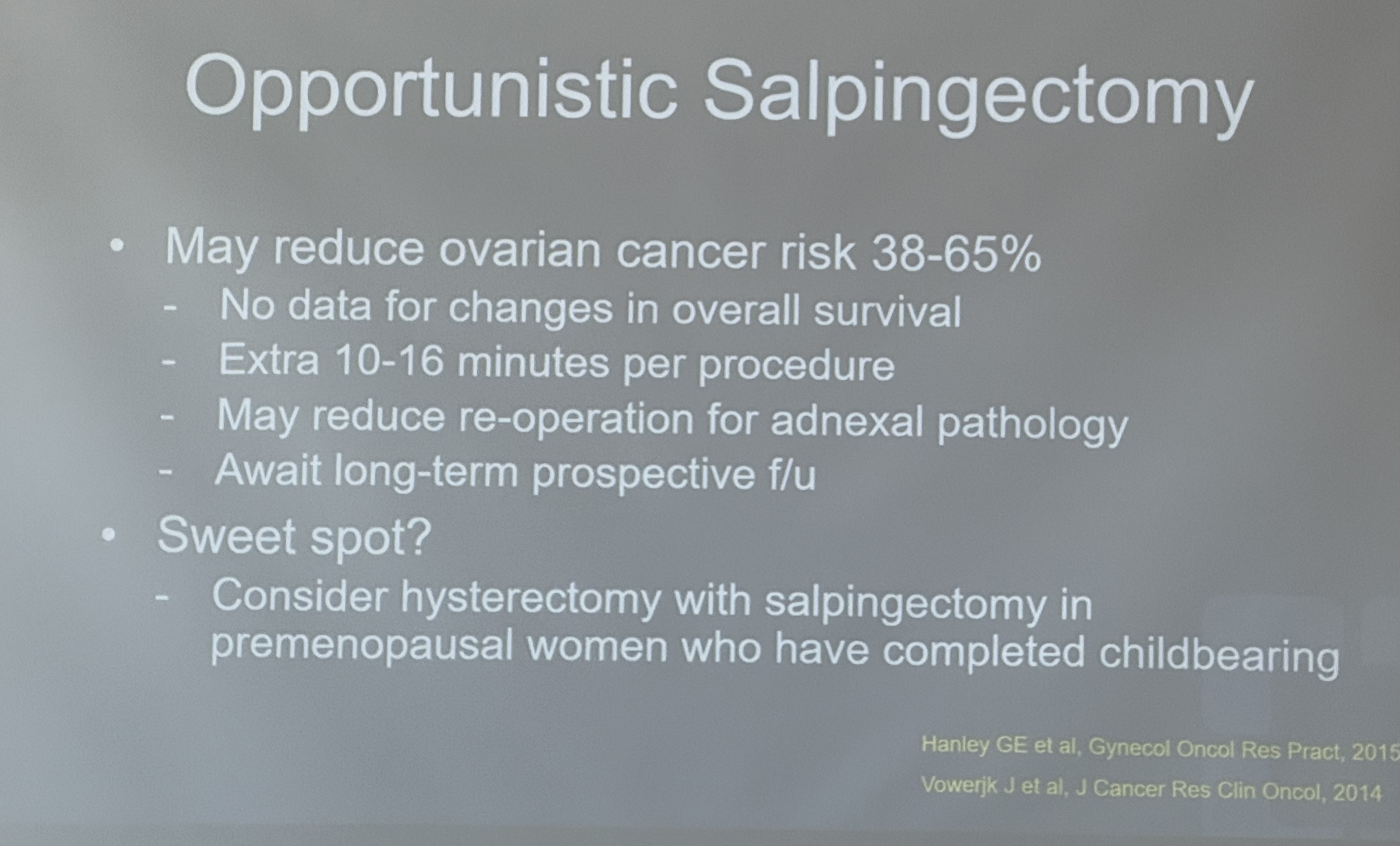
As a breast cancer survivor, a PHTS patient who had a full hysterectomy weeks after my double mastectomy and a mother of a PHTS patient who is post double mastectomy and who has already had more than her share of trouble with her uterus, this one had my attention. Meghan has also been on a continuous (no placebo) birth control pill since 2017. At the time an adolescent gynecologist suggested it after her first biopsy. I know she is not alone with what were utterly miserable, and in my opinion, beyond humane, periods.
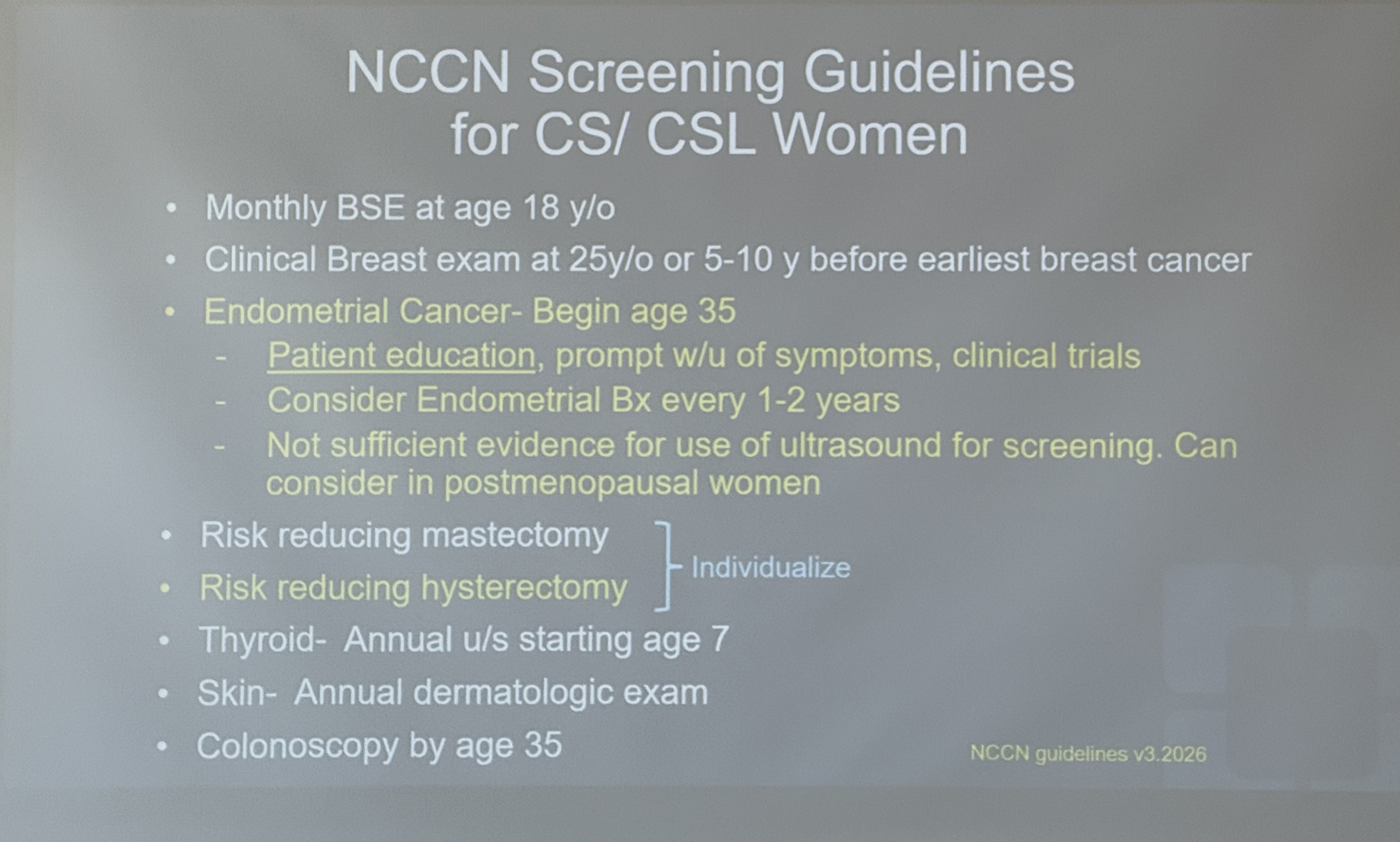
I was reminded of the information on a previous slide, that while the risk of endometrial cancer used to be listed as 28% in the PHTS population, it is now at approximately 48% for those of us with pathogenic PTEN variants.
That was definitely tough to swallow.
I also learned my daughter’s gynecologist is on top of things as there is a low threshold to biopsy when there is suspicion of malignancy. “Just do it.”
I will insert the slides I clipped below.
10:30 Dr. Andrew Dhawan, Cleveland Clinic
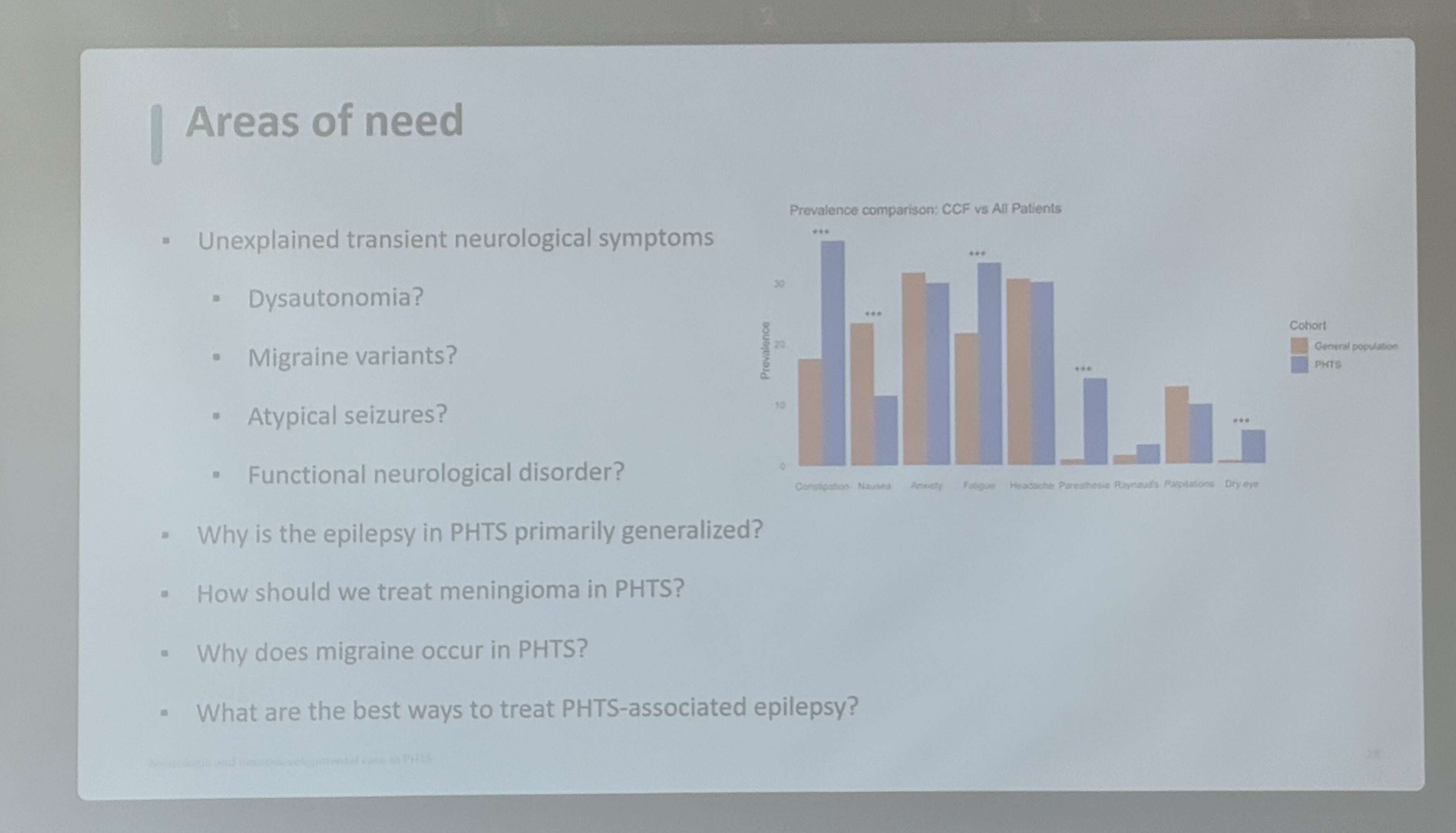
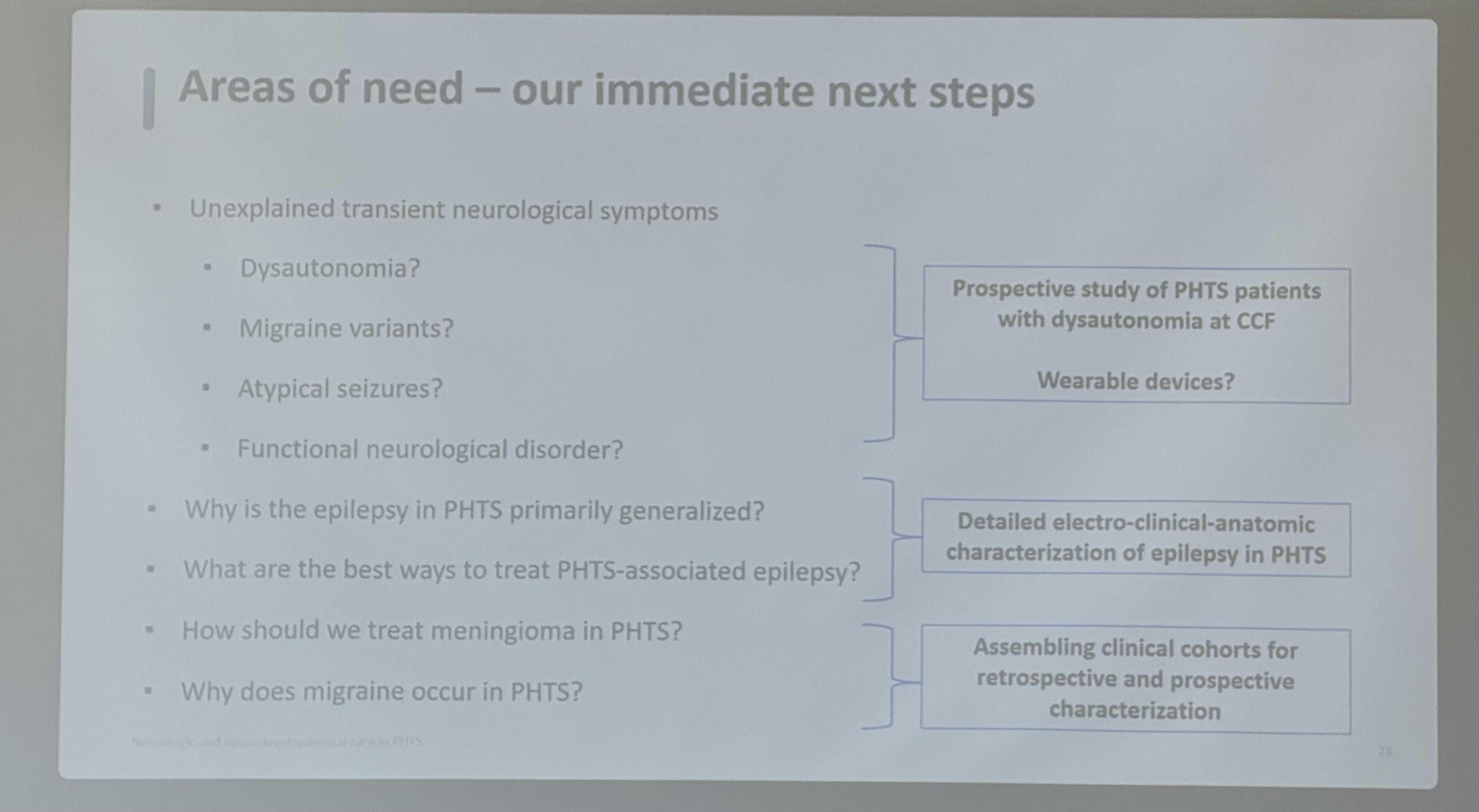
Neurologic Manifestations in PTEN Syndromes and Care Guidelines
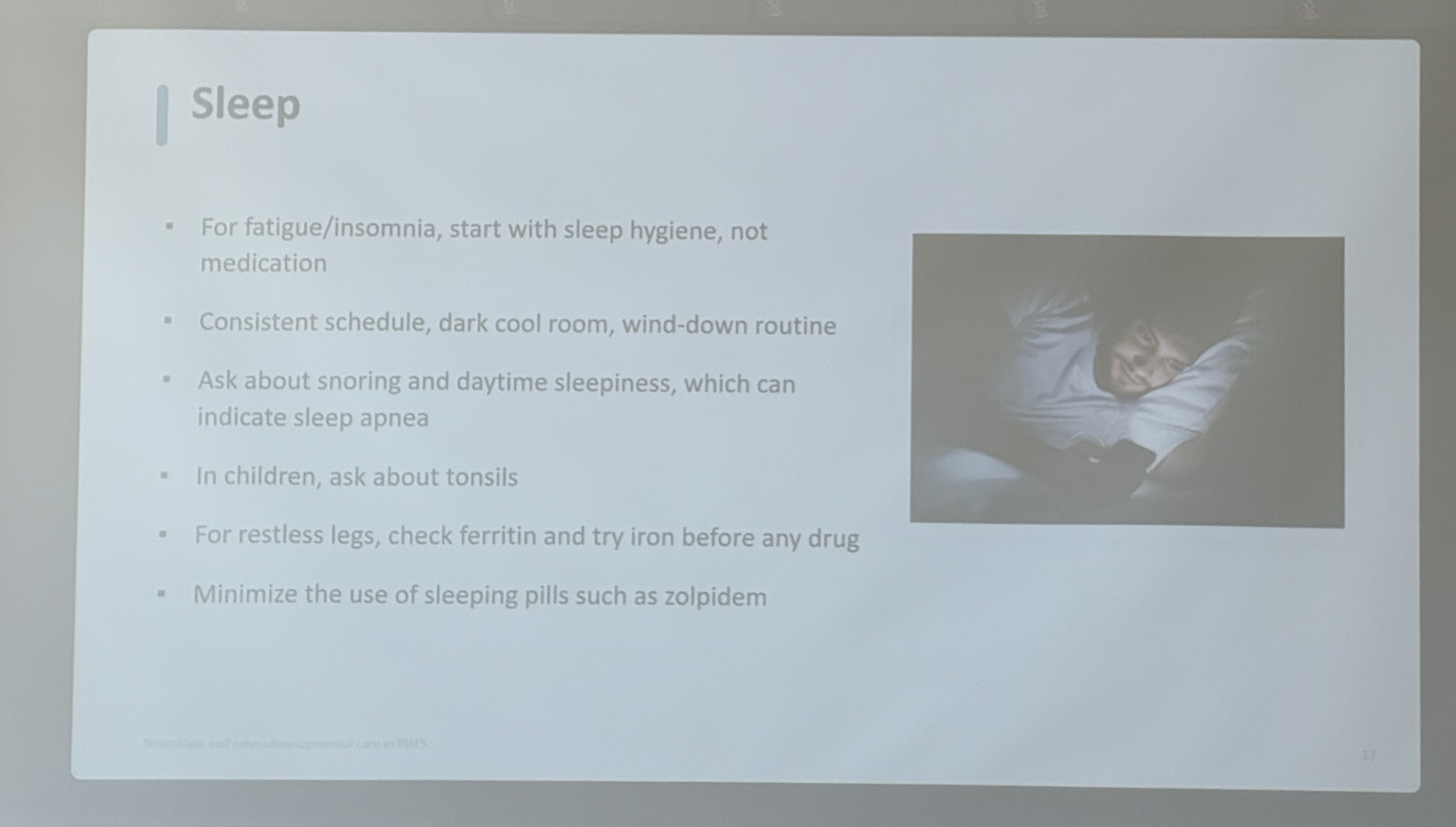
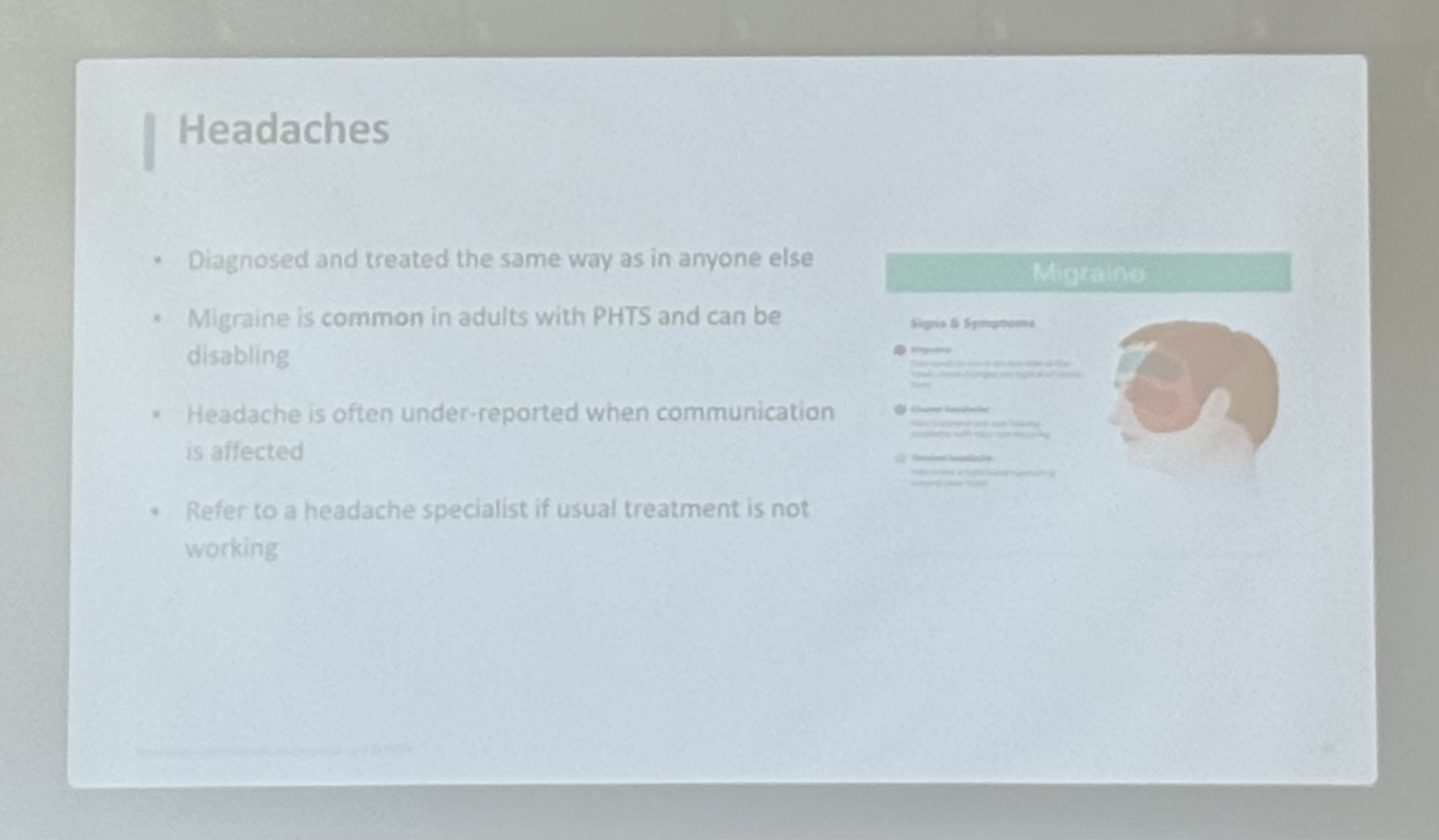
Meghan and I both suffer with chronic migraines. We also both struggle to fall asleep, although her sleep issues are notably more severe.
We both have dysautonomia with slightly different presentation and to varying degrees. I remember this being something Dr. Eng had begun to talk about before her passing, and I am grateful for those who are still working on the connections.
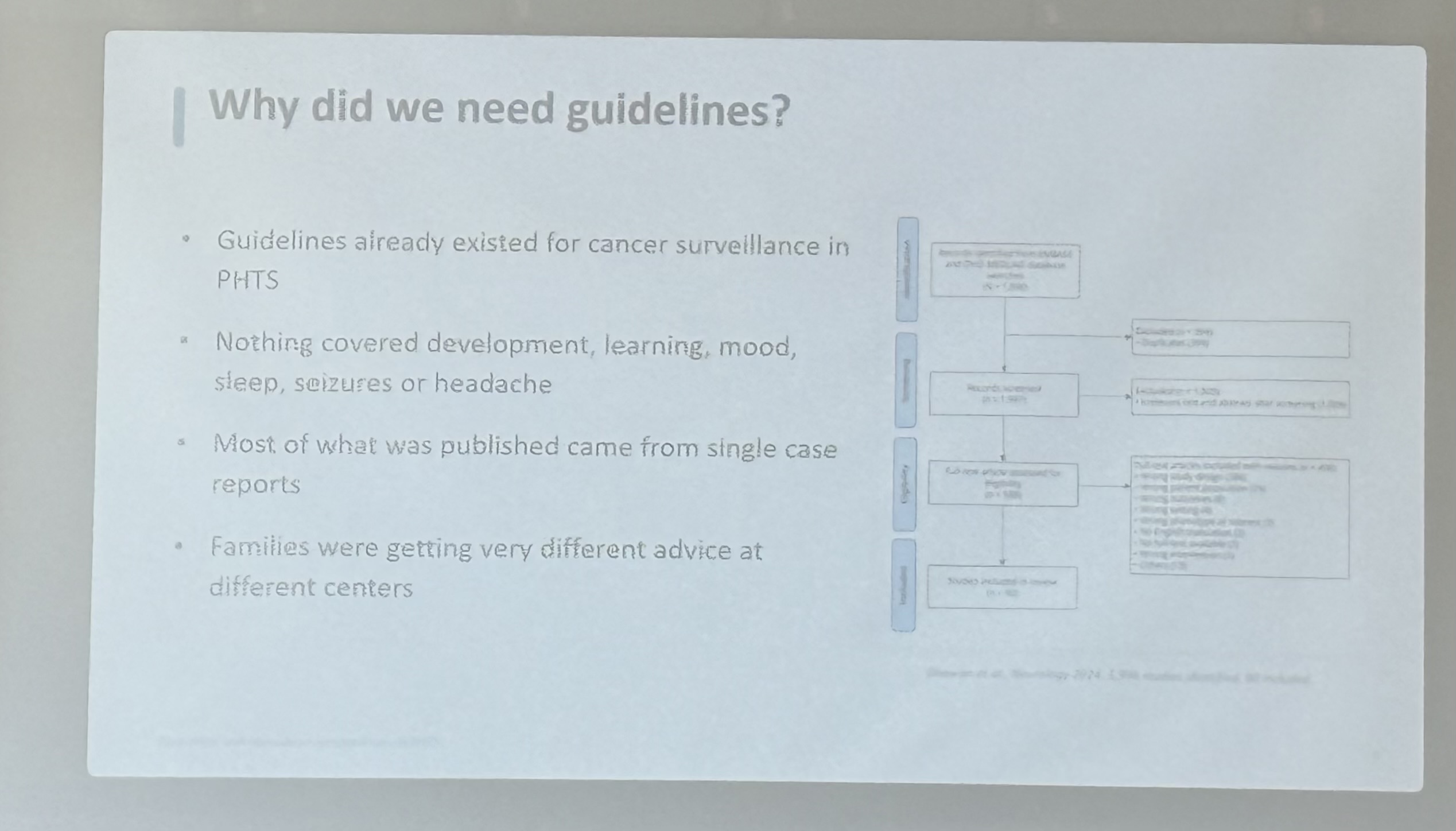
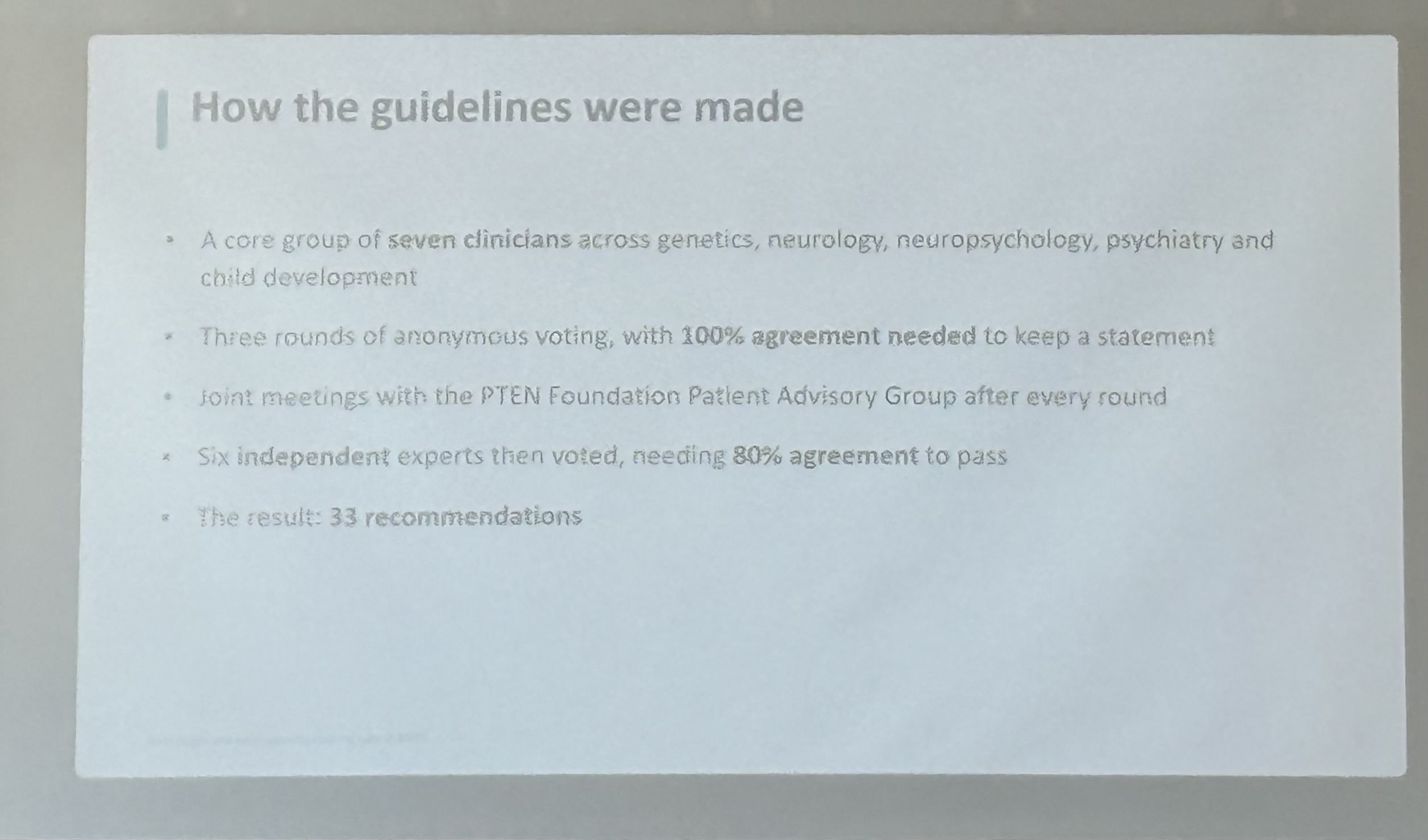
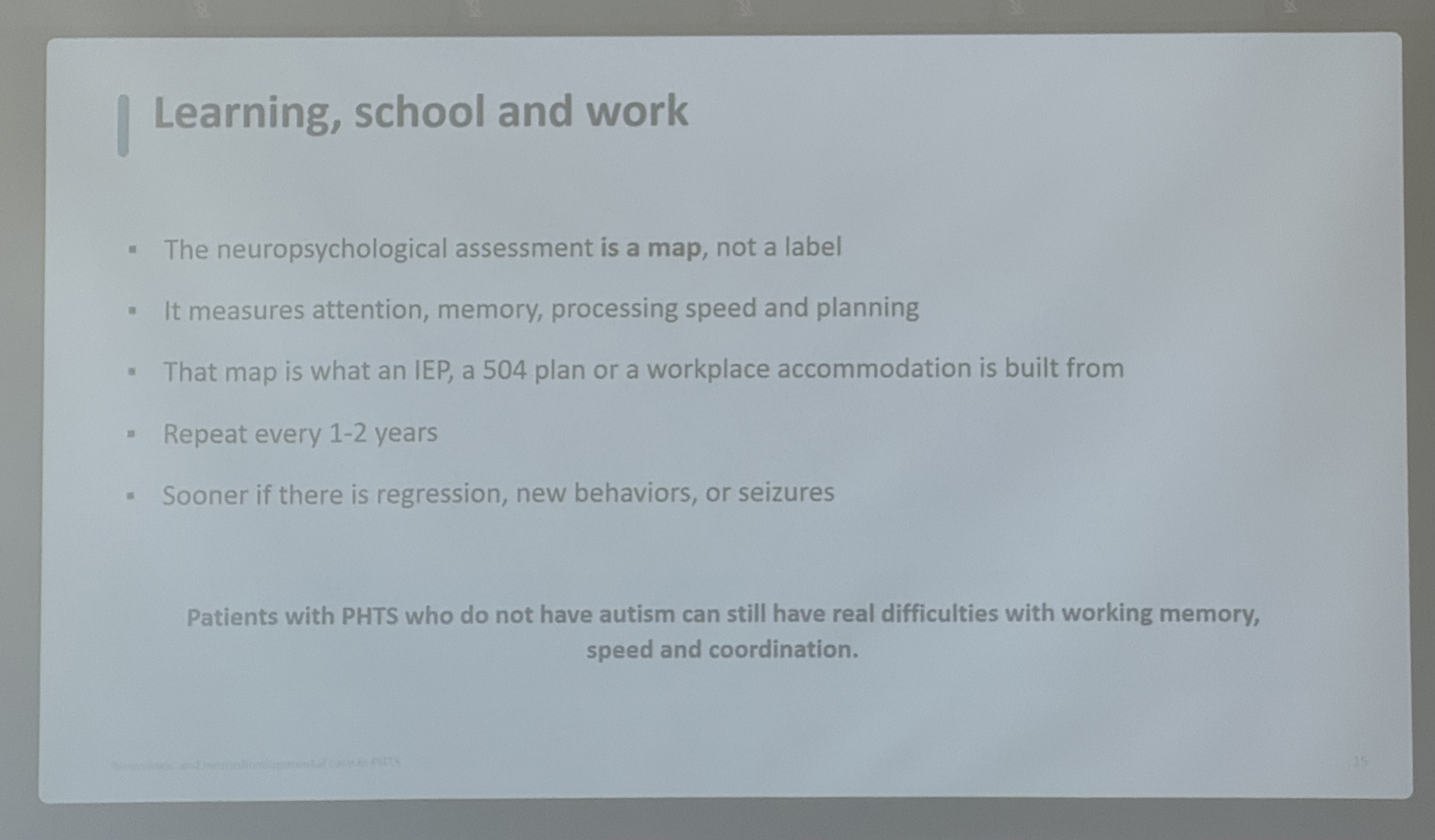
We both feel as though everything we do takes longer than it should- including my work compiling my notes here from yesterday!
And I felt in in my SOUL when he said that PHTS patients are ‘clumsy!’ I felt SEEN! LOL!!
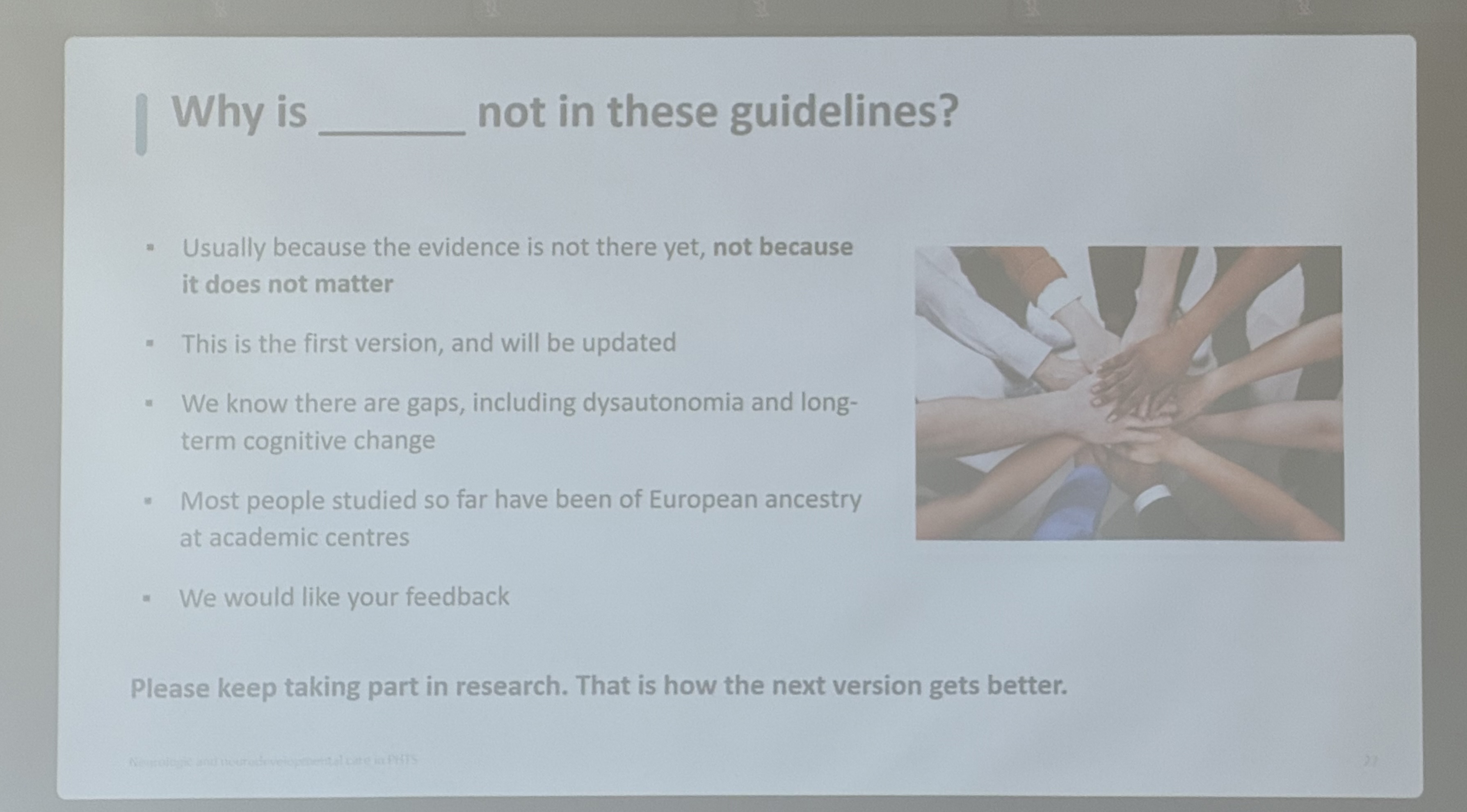
It was reinforced how important patient participation is in research, registries and the like so that appropriately sized and differentiated samples can help lead to even better guidelines.
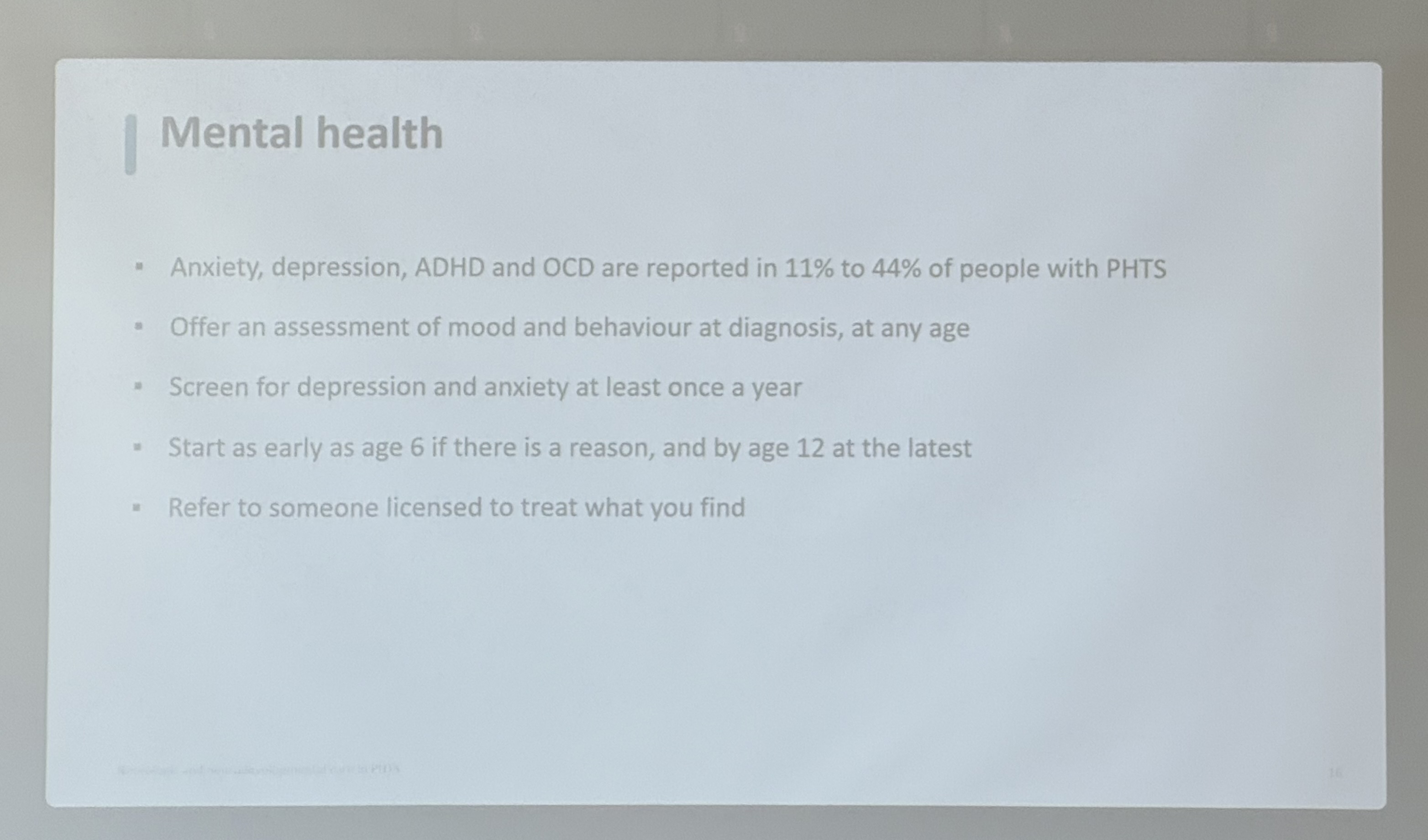
11:15- 12:00 Lunch and Q and A with CHOP genetics team
12:00 Dr. Siddharth Srivastava (virtual) Boston Children’s
PTEN Neurologic Research
My apologies because I do not have any slides to share. The virtual presentation created some projection challenges.
The doctor spoke about upcoming research opportunities.
12:30 Mrs. Kelly Steel
PTEN Parent and Advocate Experience
This was a super neat presentation for me because I met in person a family I have been following for years.
Kelly and her husband are parents to the amazing Daphne, a 13 year old PHTS patient with a history that reads like a medical text book. (Well, who are we kidding, you’d never find kids like ours in a textbook!)
She shared some of their journey, and while hers and ours are not the same in content, it was something special to hear from her.
If you are a parent of a medically complex child, there is nothing like looking, standing near, or being in the same room with others. There is so much unspoken understanding, and I was grateful for their family’s openness.
12:45 Dr. Joan Tamburro, Cleveland Clinic
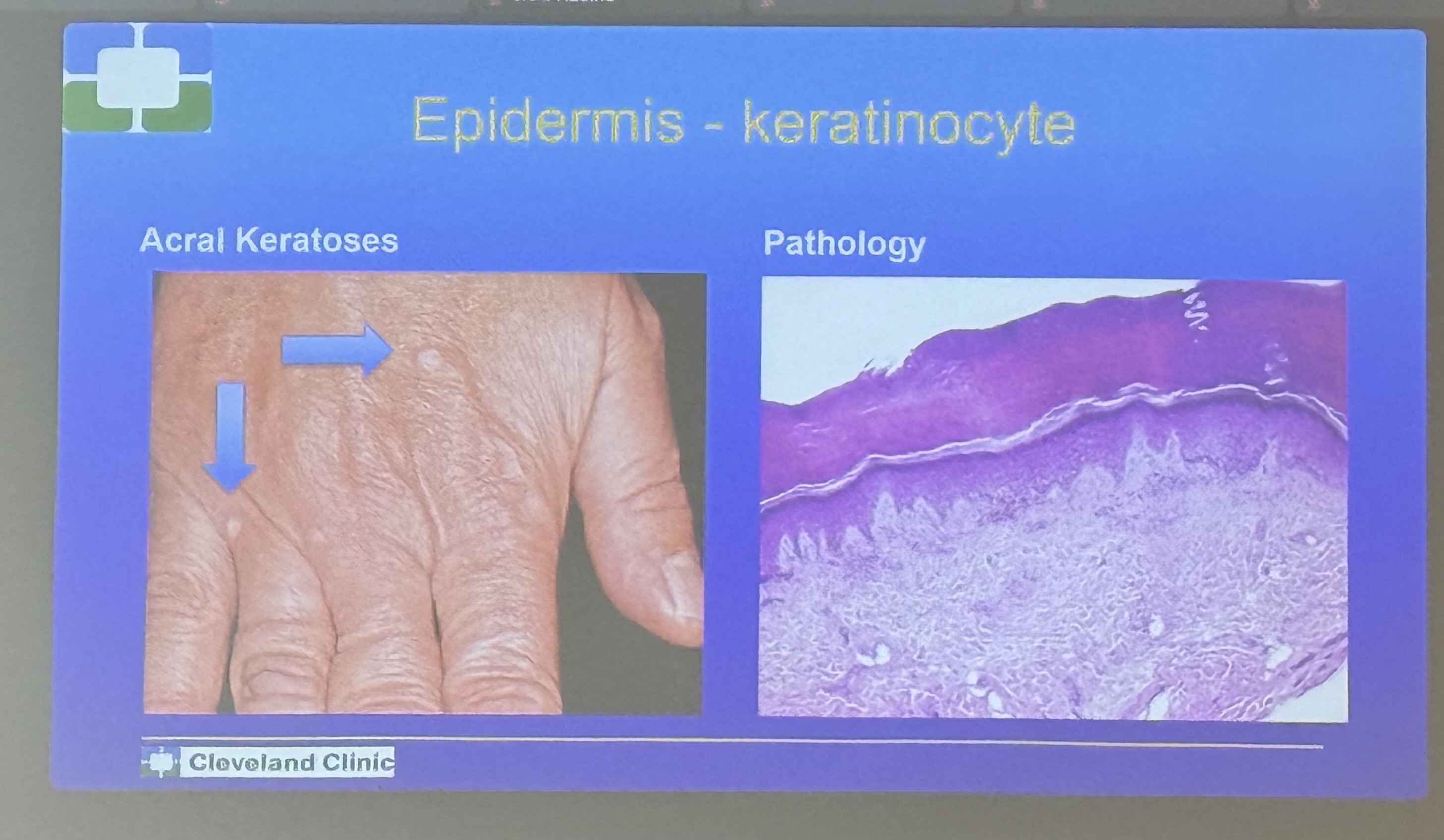
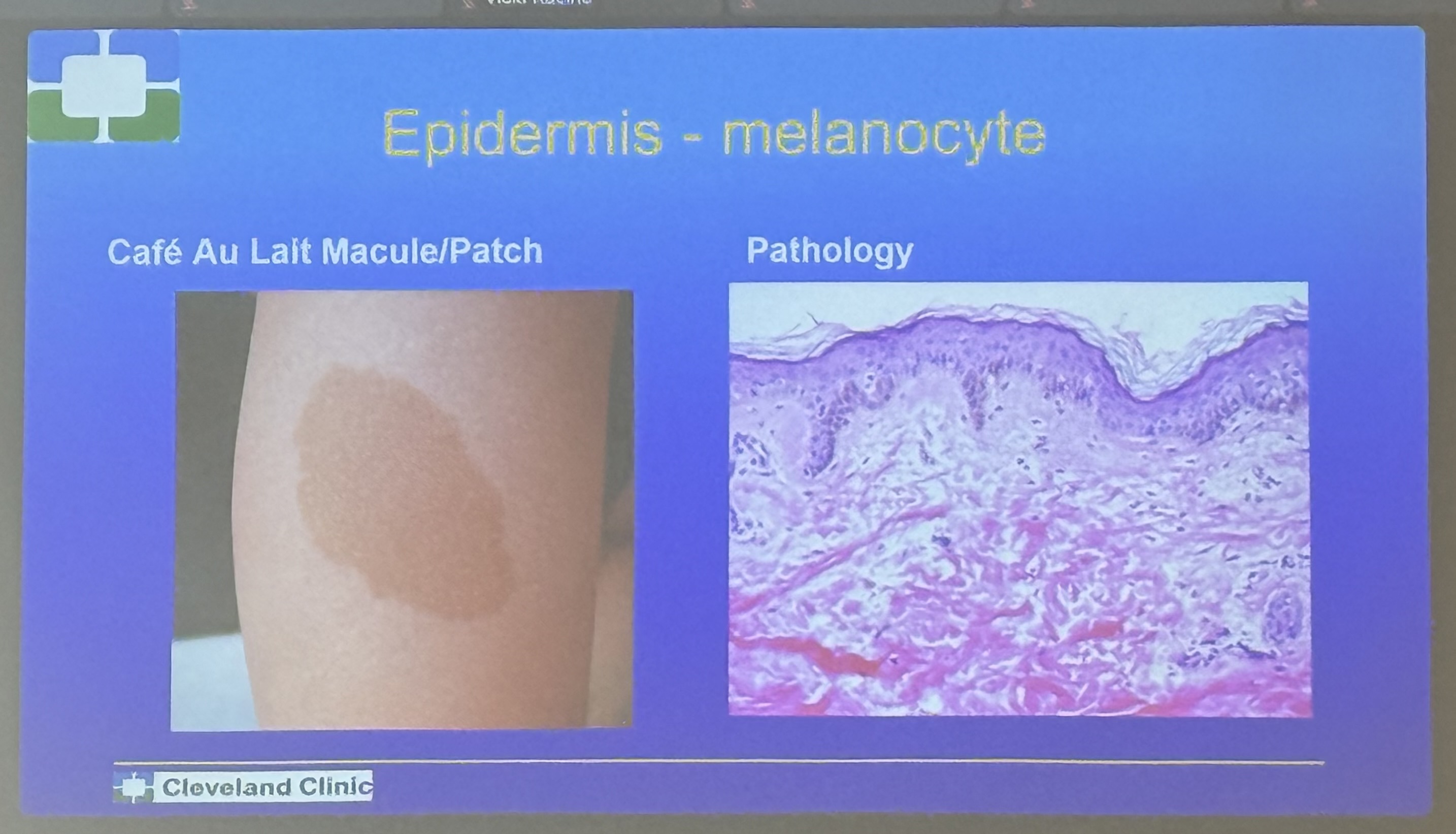
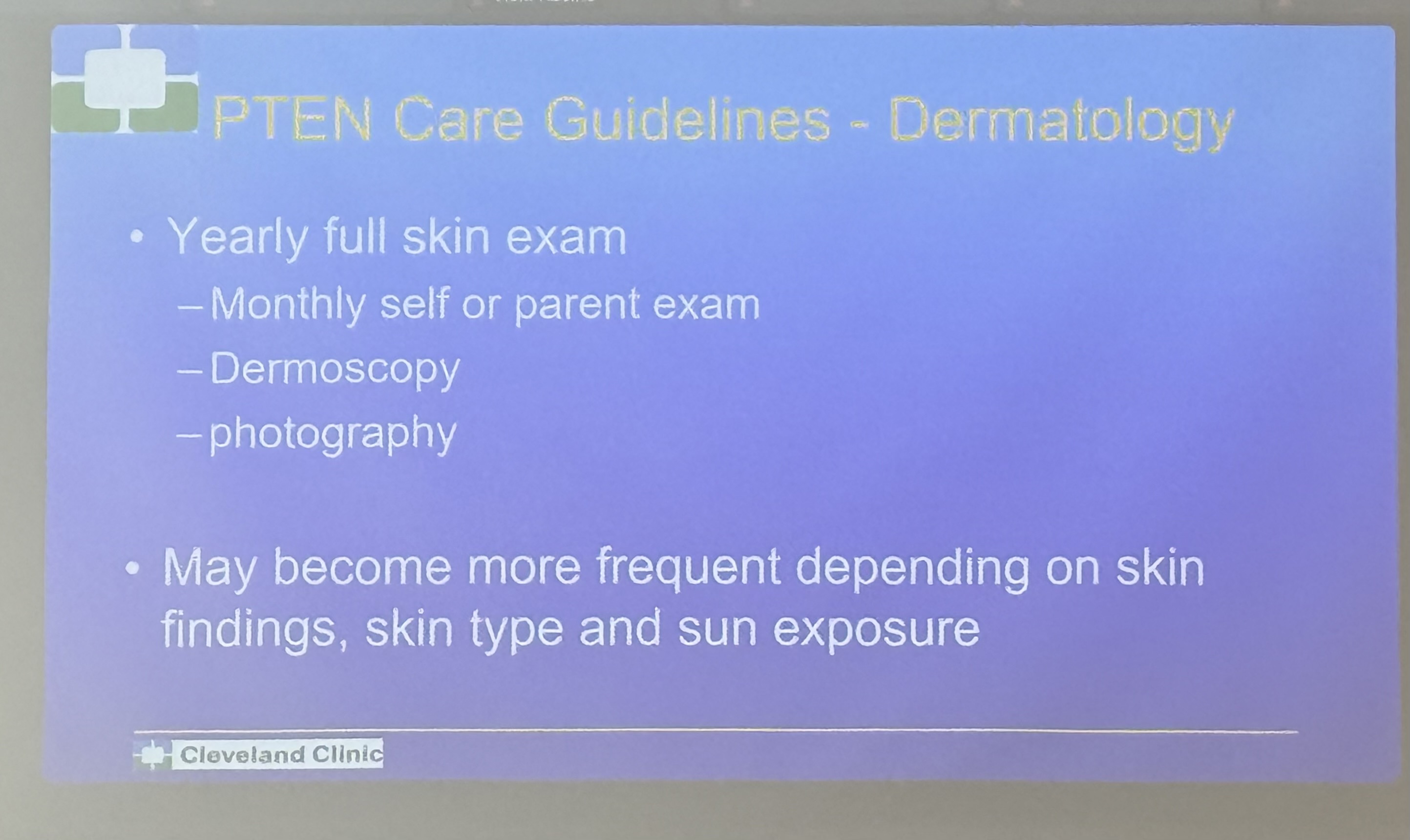
Dermatologic Manifestations of PTEN and Care Guidelines
This was an overview of guidelines for skincare. I did not take a large number of photos during this presentation. The first set of photos are common skin findings in PHTS.
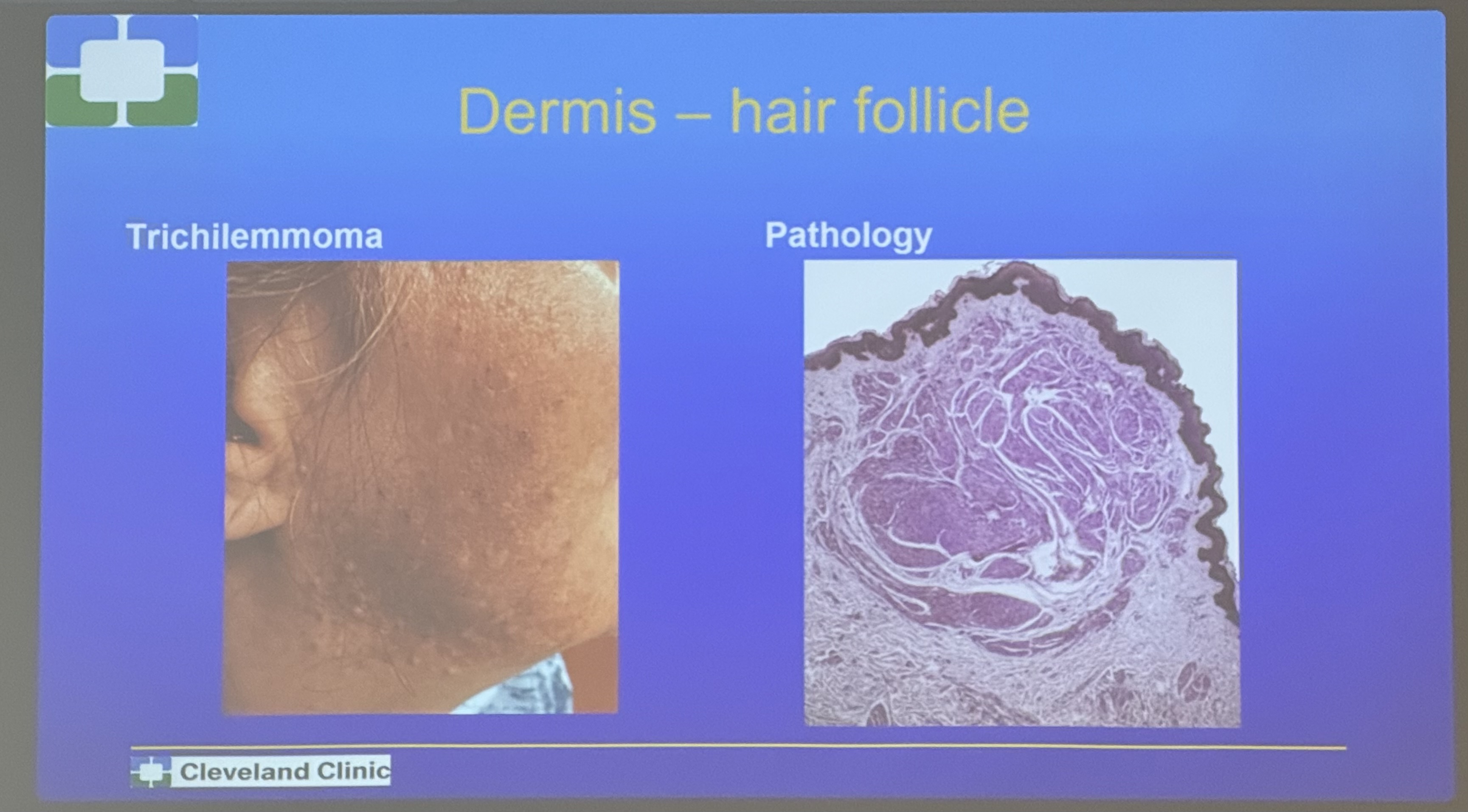
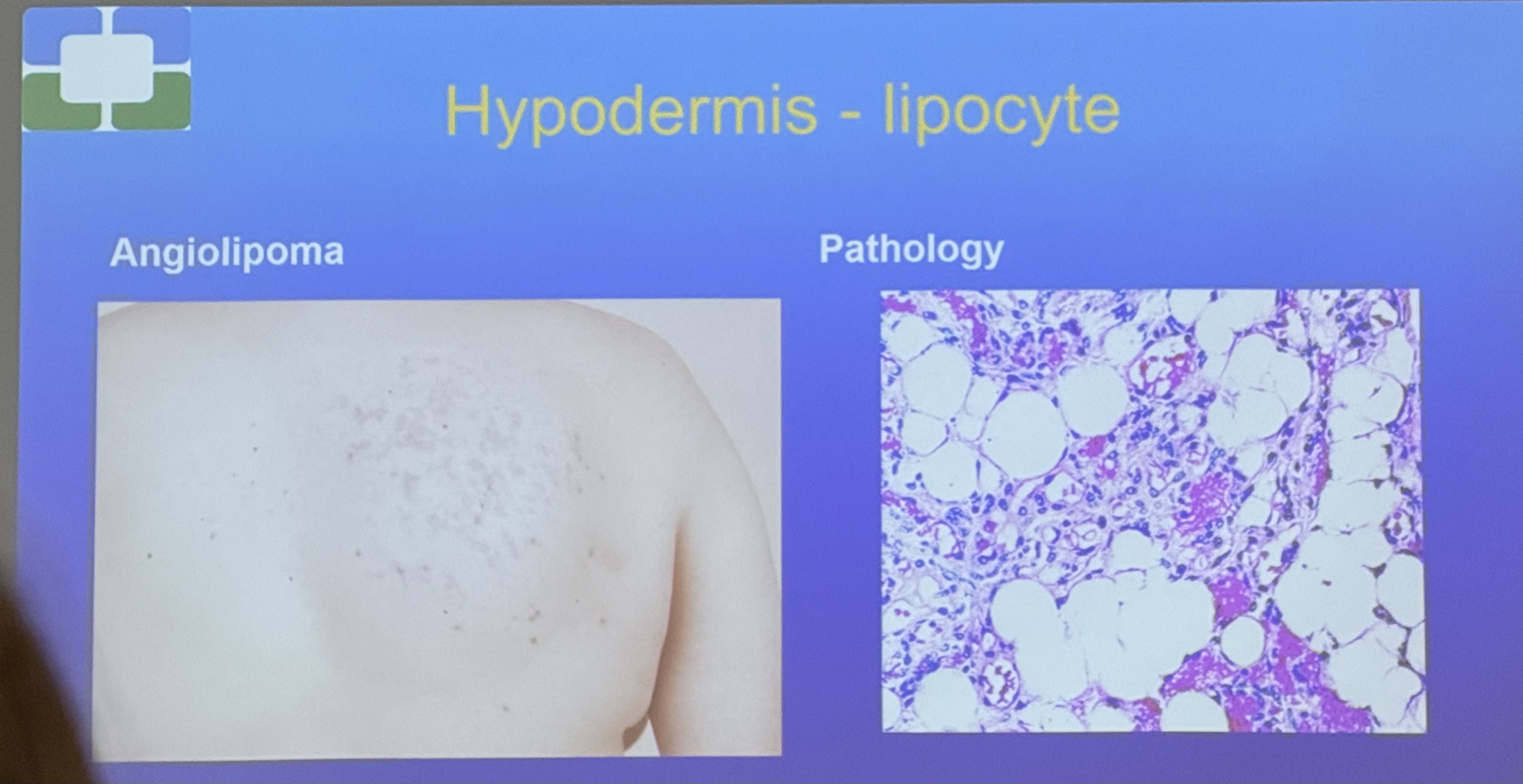
The next included Sun protection guidelines.
I learned that GRASE stands for ‘Generally Regarded as Safe and Effective.’
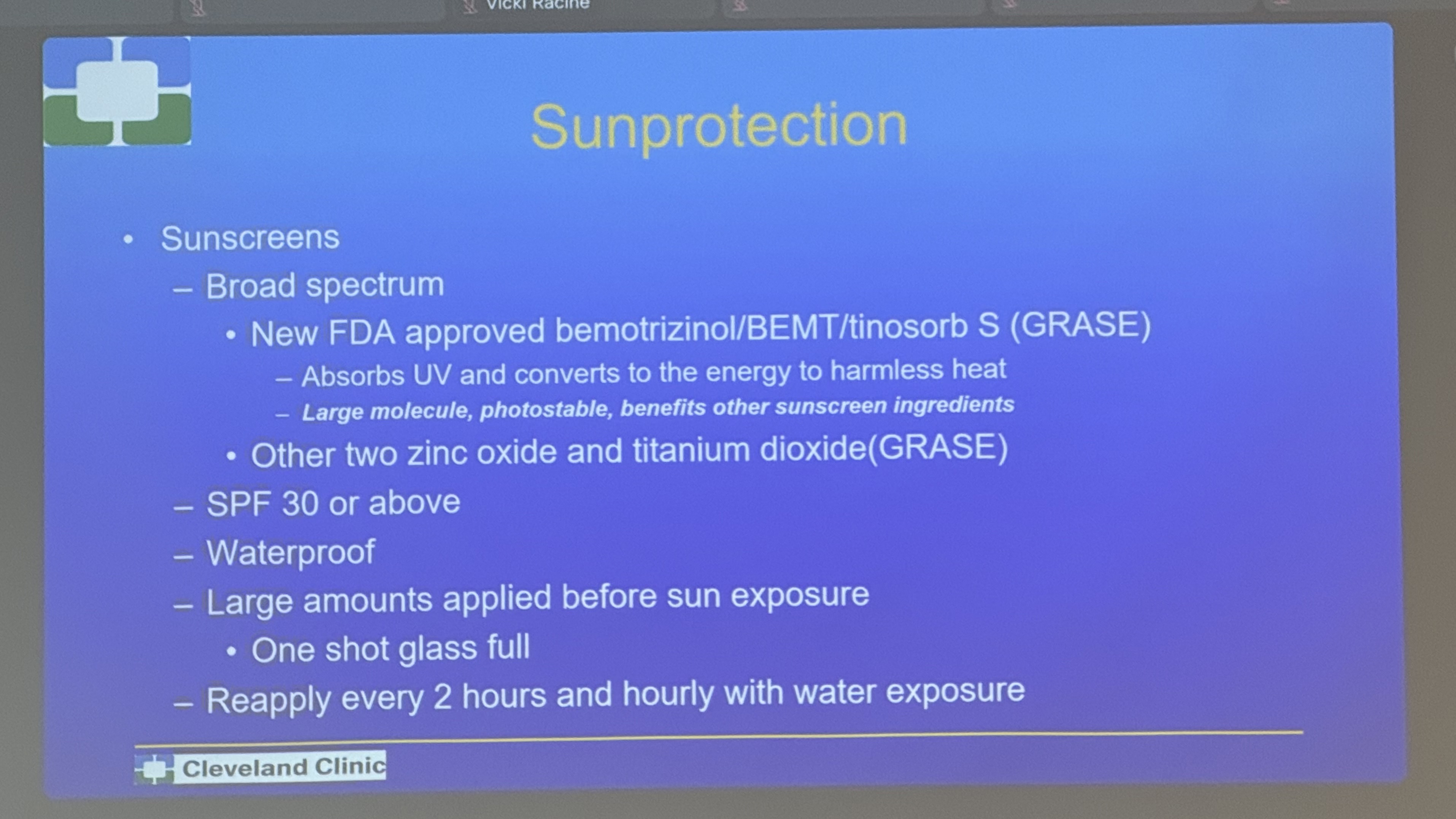
1:00 Dr. Whitney Eng – Seattle Children’s Hospital
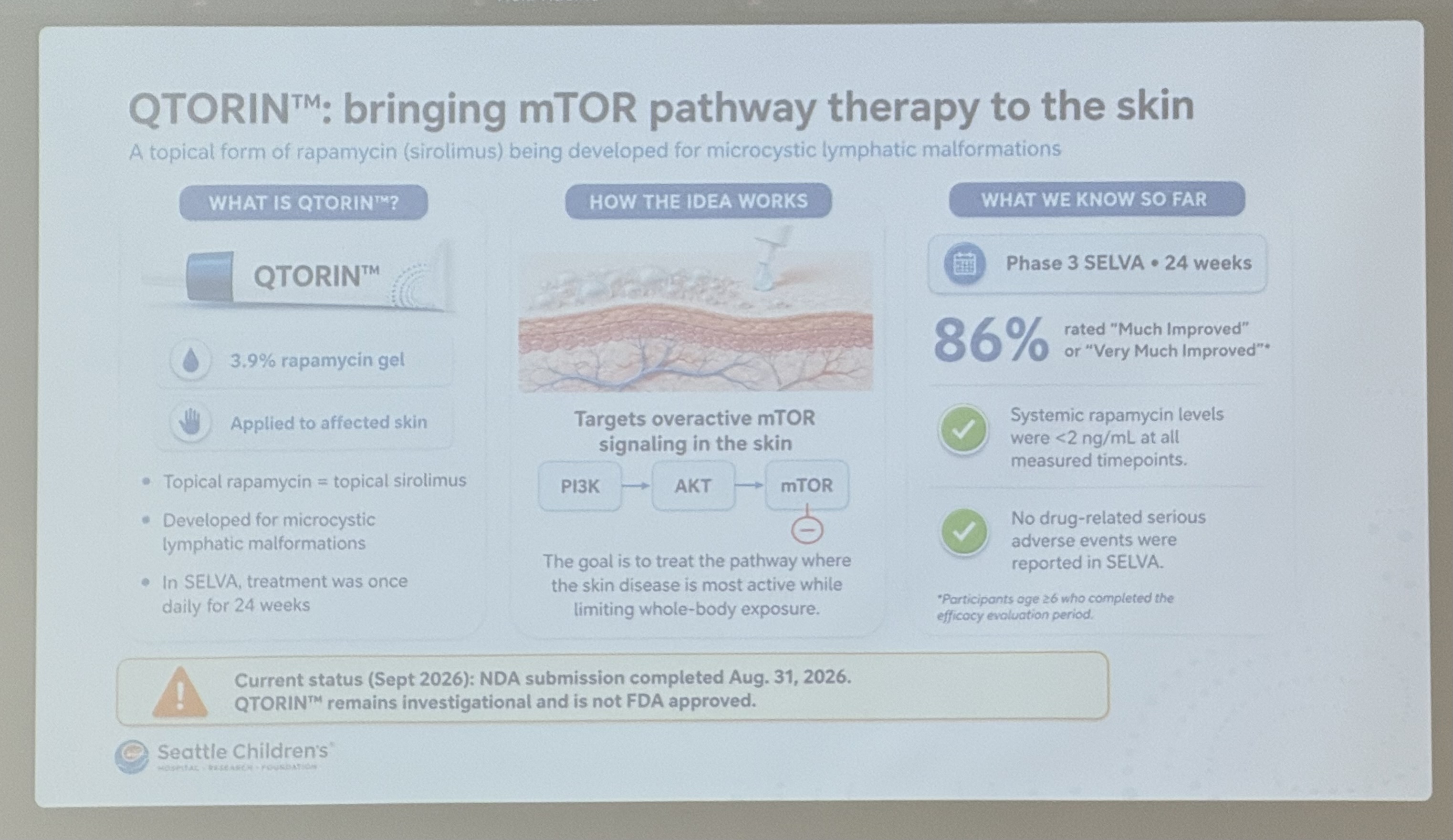
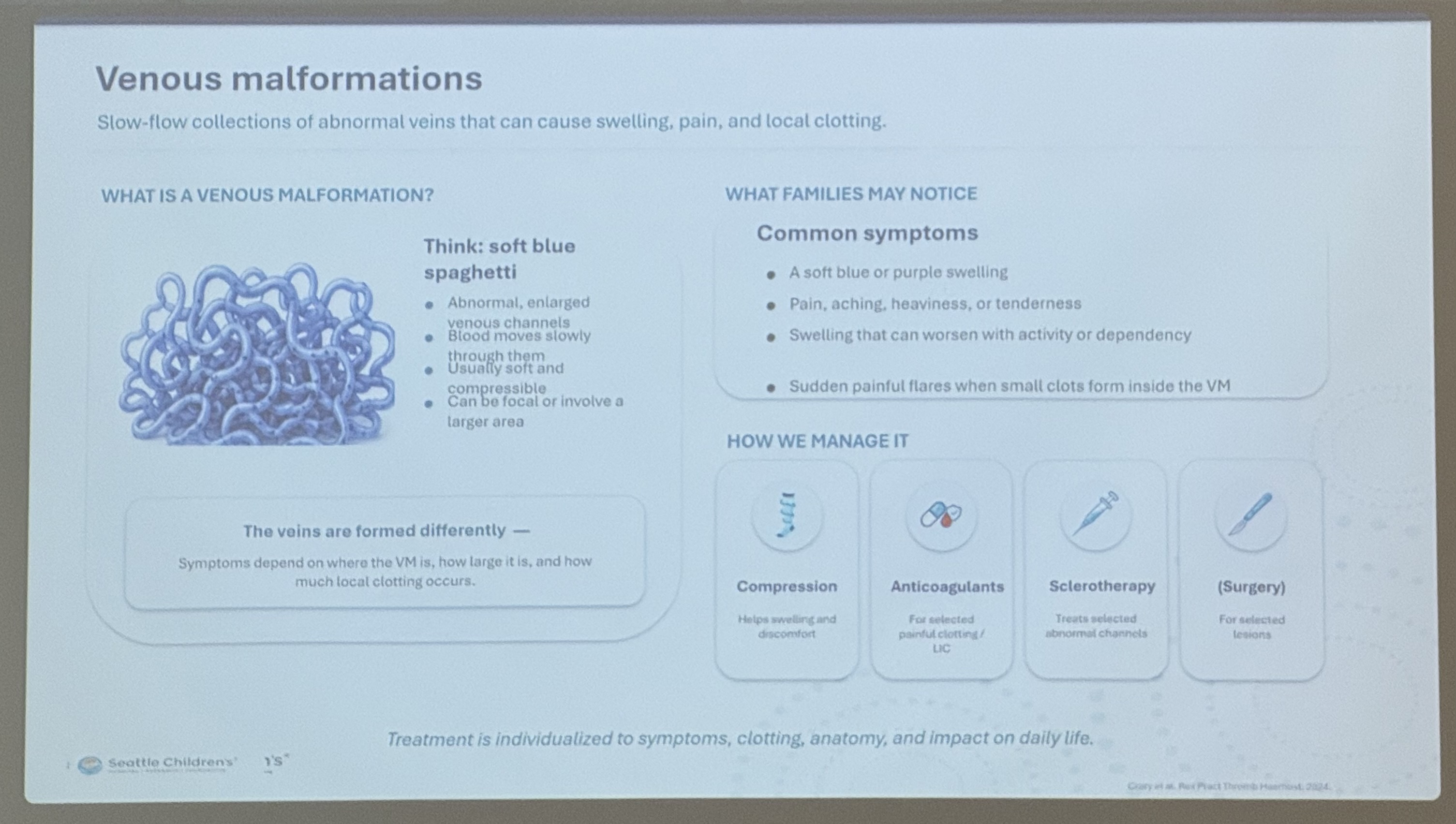
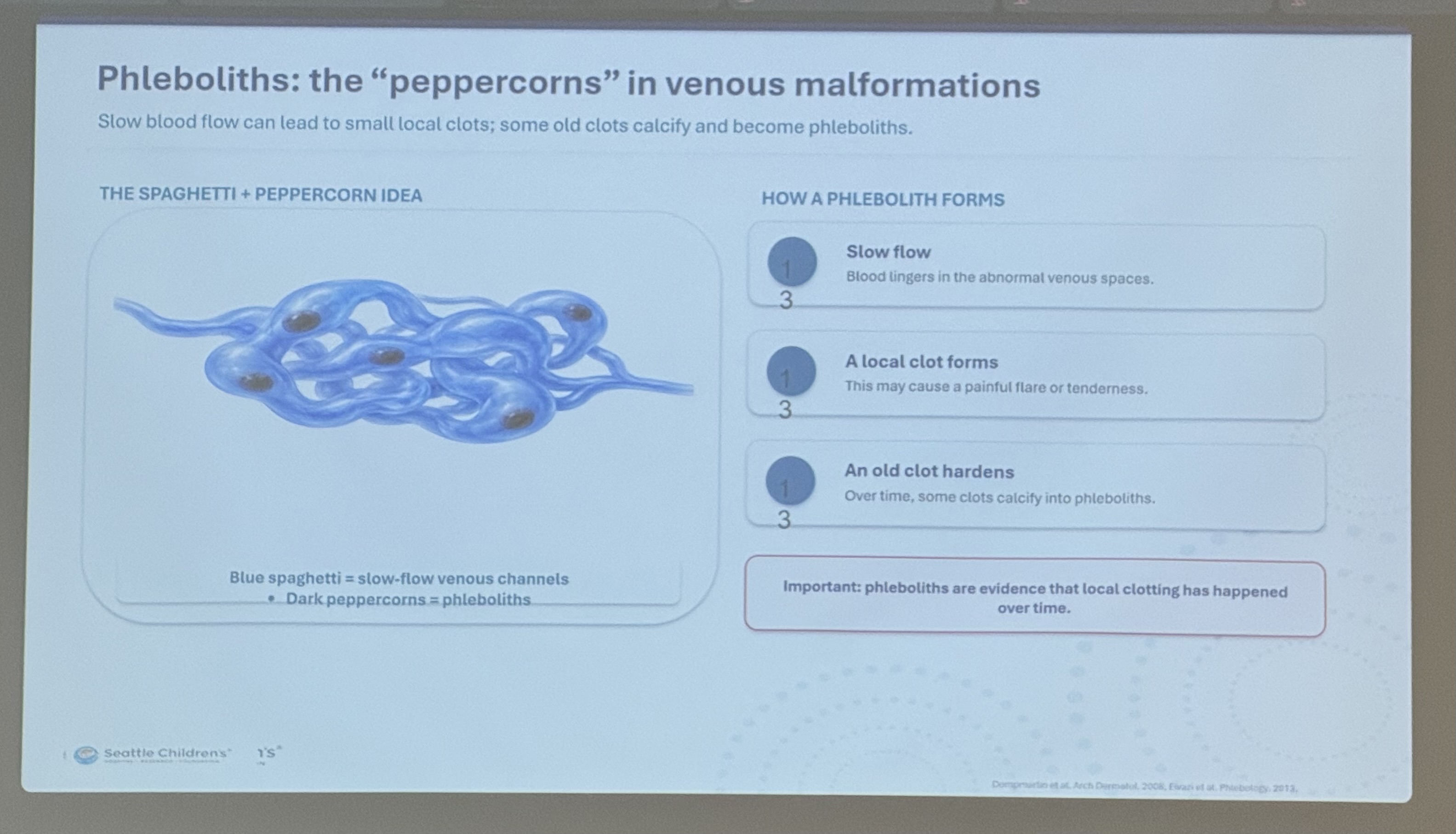
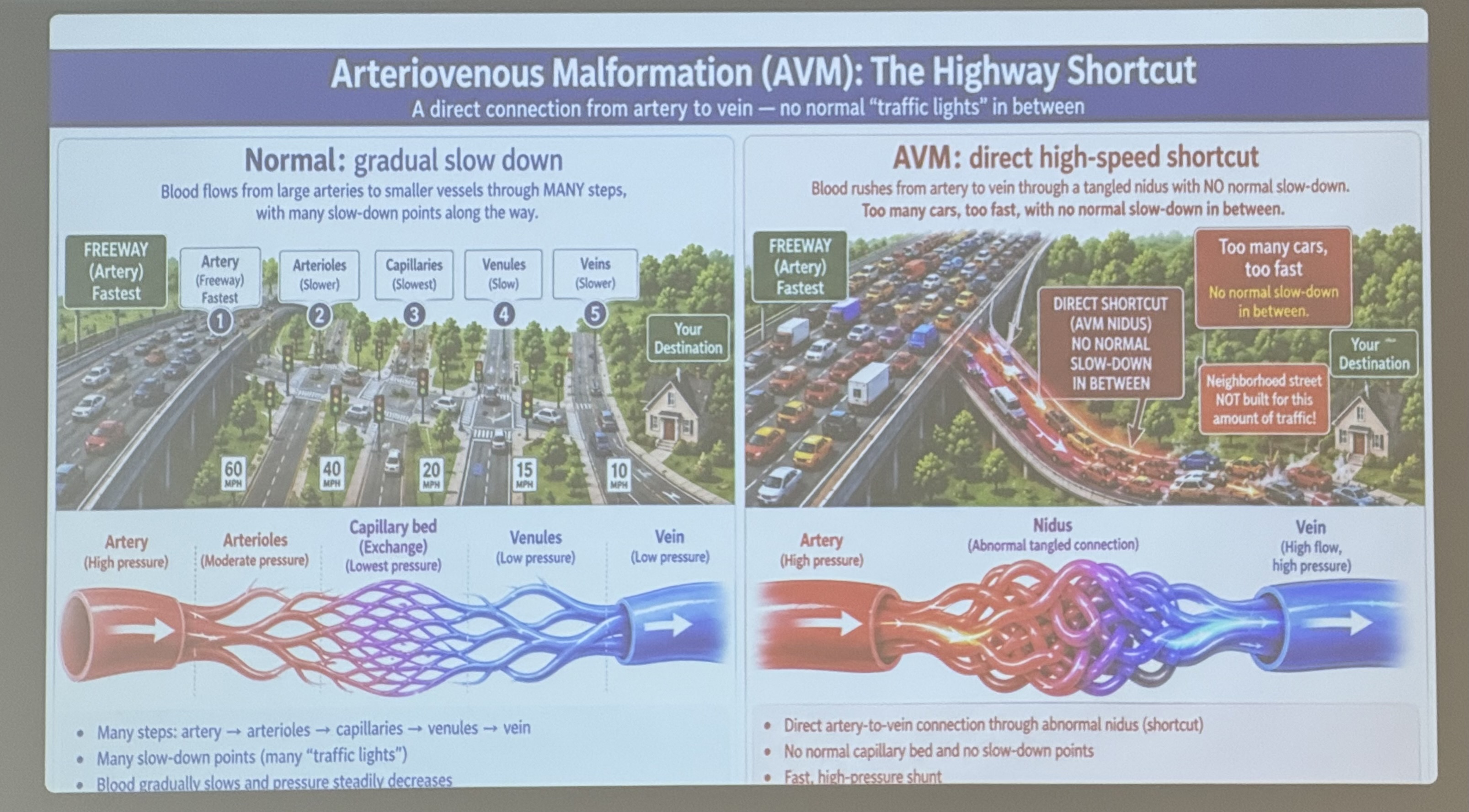
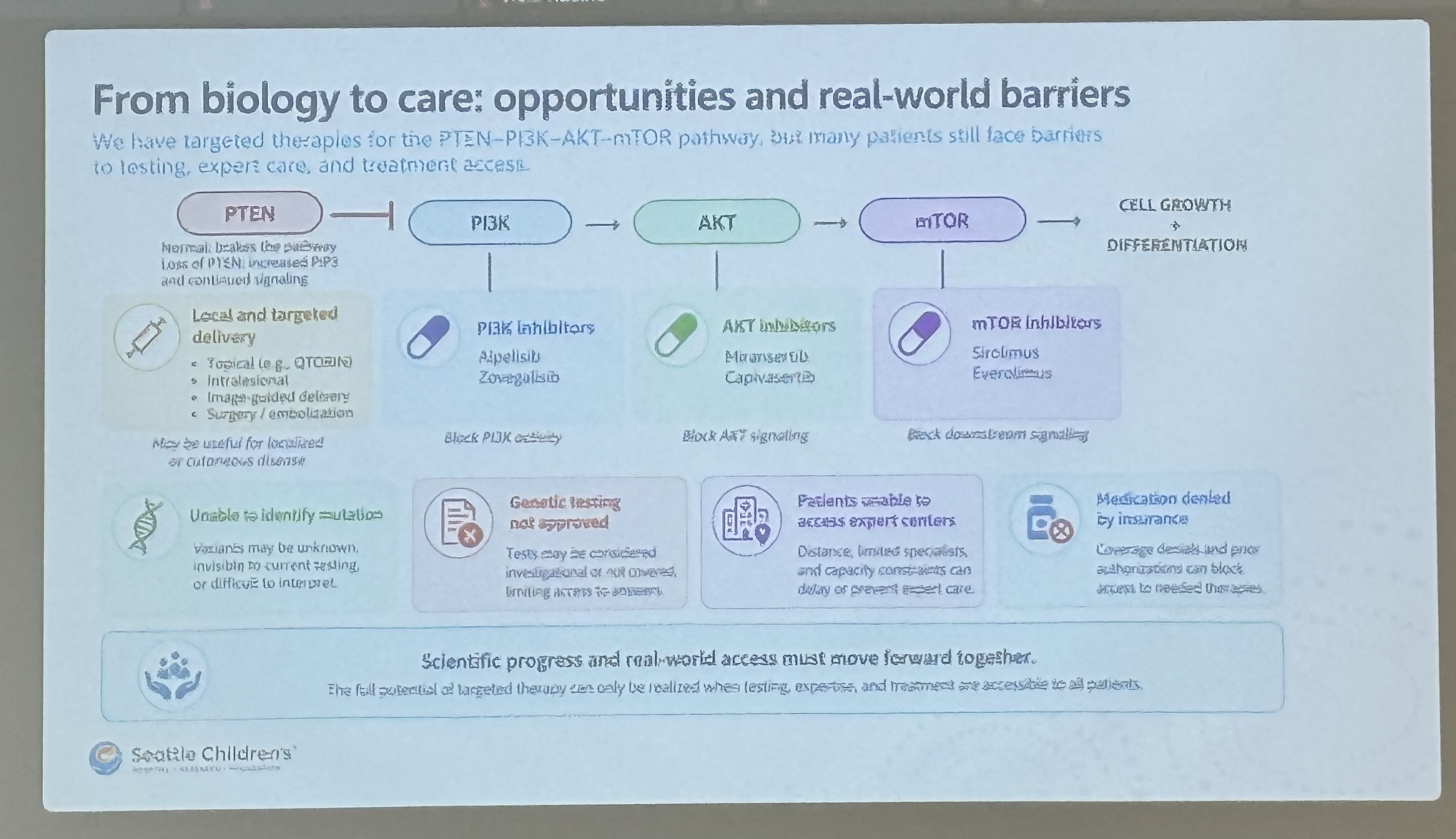
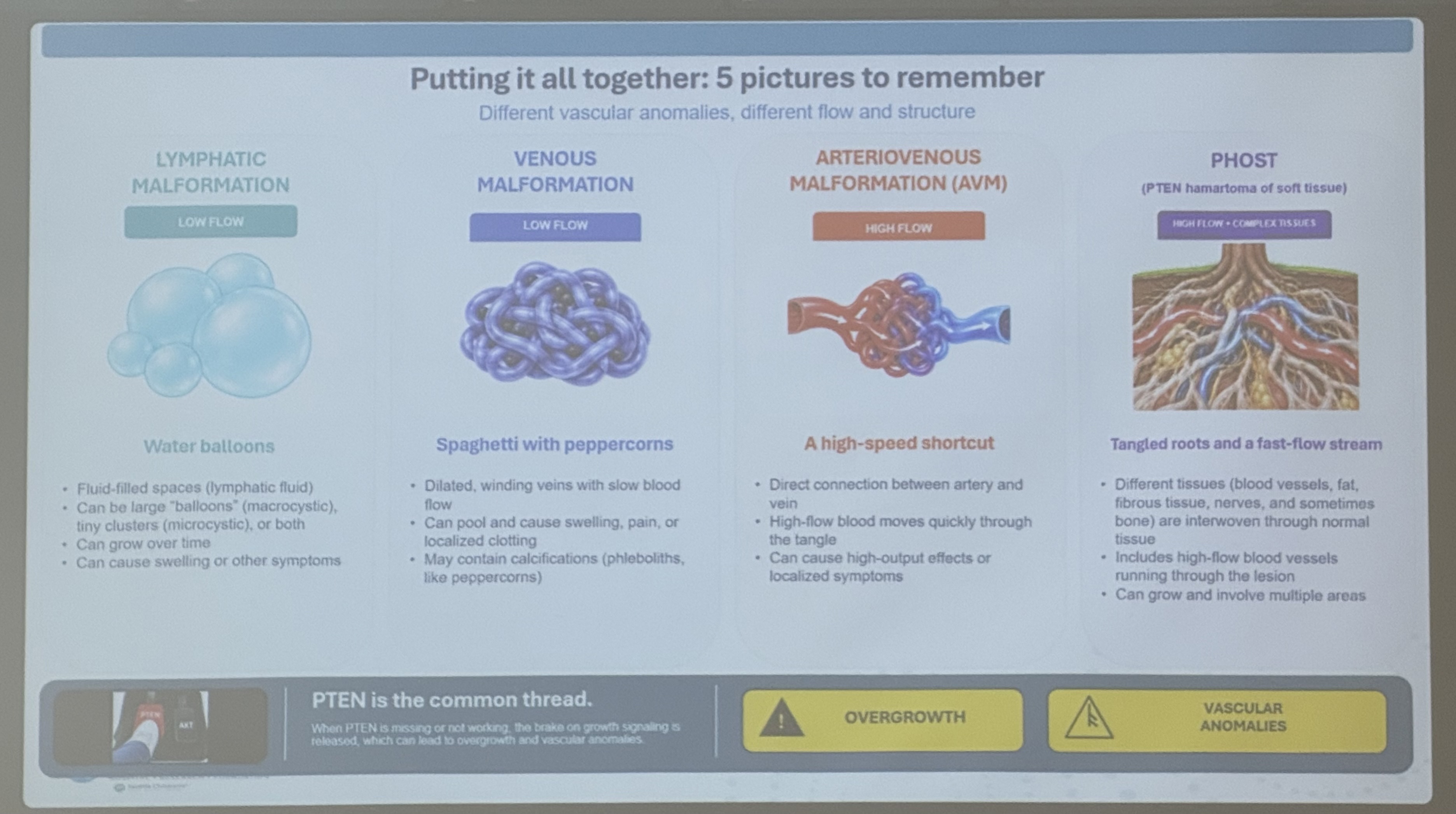
PTEN Vascular Anomalies
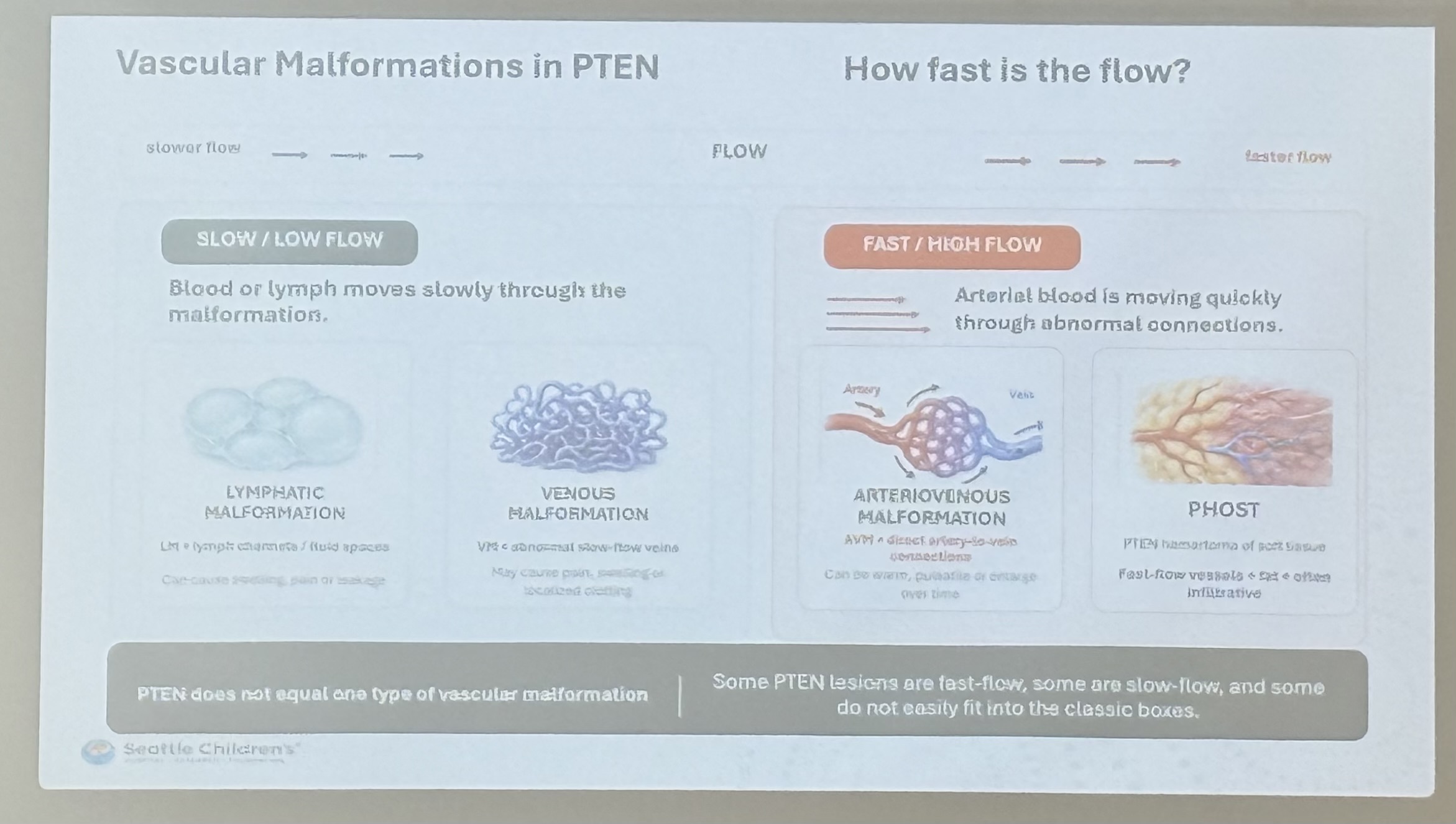
Dr. Eng had my attention from the start for a few reasons. Meghan and I have a heavily vascular presentation of PHTS, and in Meghan’s world, 12 of her surgeries have been on her right leg, due to vascular anomalies.
Also, the teacher in me thought the slides were super engaging and I loved the analogies she used.
I connected a few things in my own life through her presentation as well!
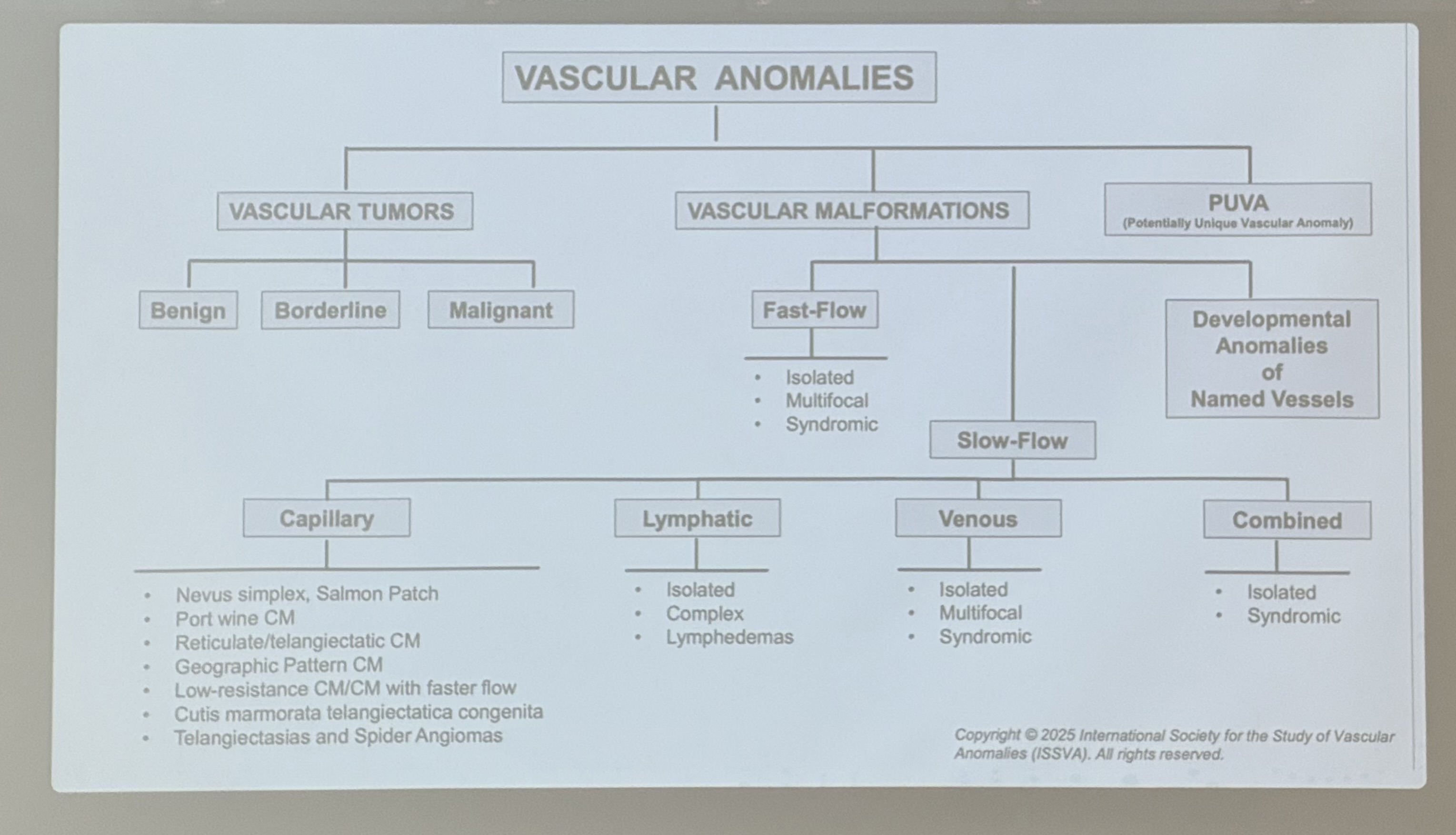
Before the presentation, I only knew of Meghan’s AVM in her knee and the beast of a PHOST tumor that tortured her for years. During the presentation, I came to realize the ‘varicose veins’ I have been battling since my 20s are more than likely connected to my PHTS.
Where that leads remains to be seen, but it was helpful to know it wasn’t that I had DONE something wrong per se. I have simply been seeing doctors who cannot/ or choose not to connect the web of symptoms I have.
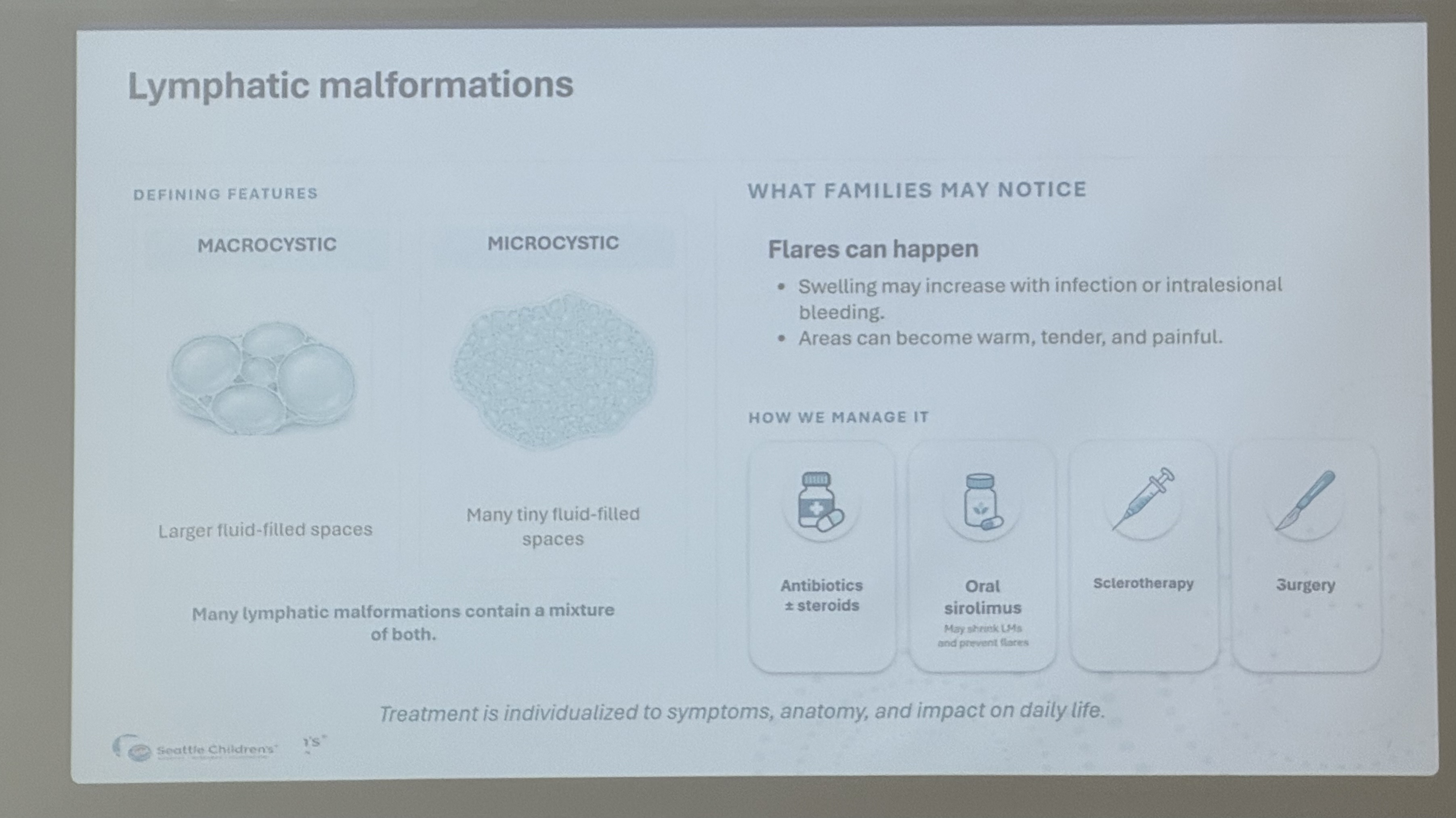
I was also unaware that the tumors on my spleen, first discovered during my intake screening in 2012, and frequently classed as “lymphangiomas” by radiology, are, in fact vascular anomalies as well.
The biology of it takes a lot of work for me to understand, but with persistence and patience I am learning.
Our vascular journeys are far from over – but the knowledge gained is priceless.
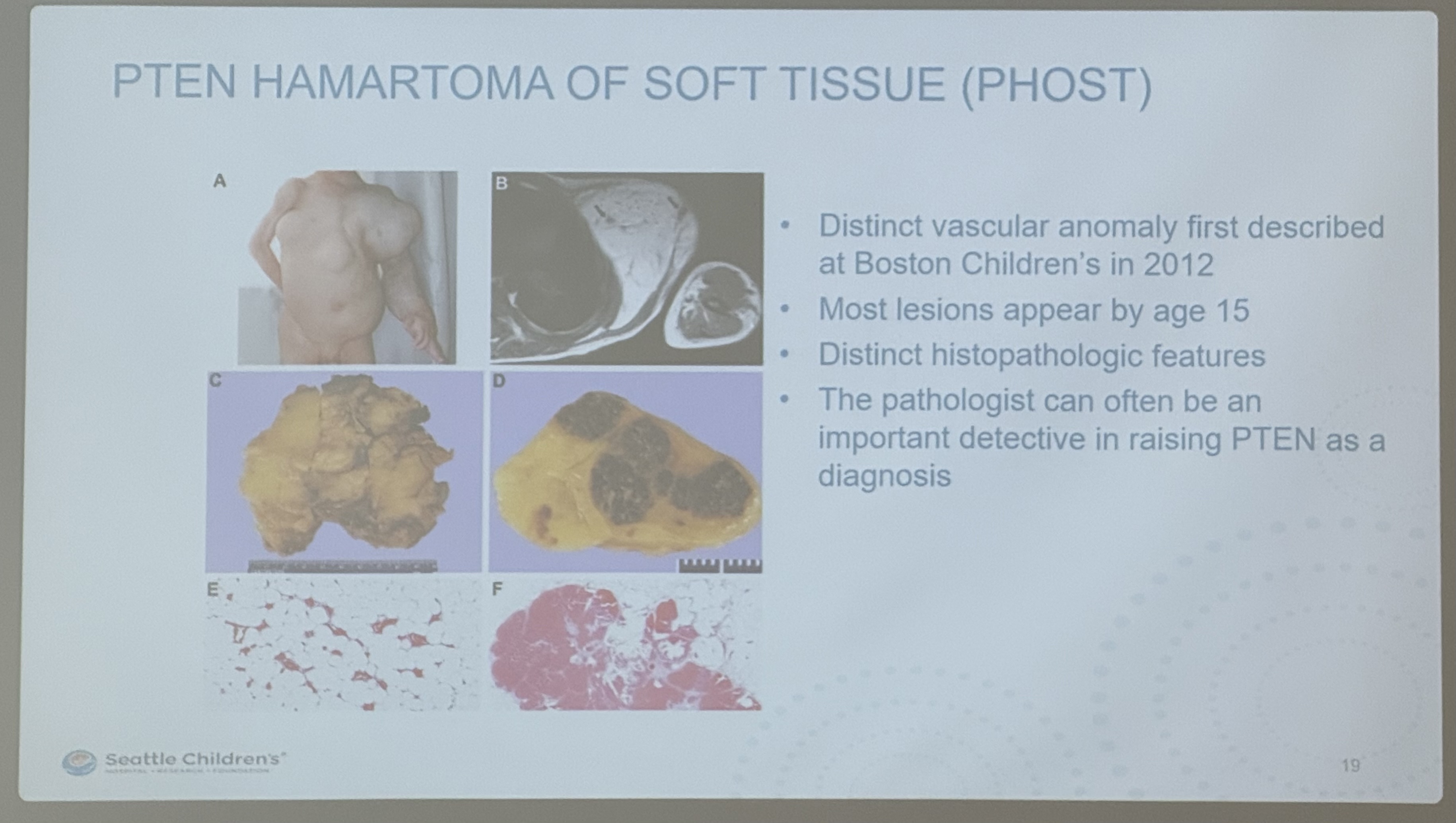
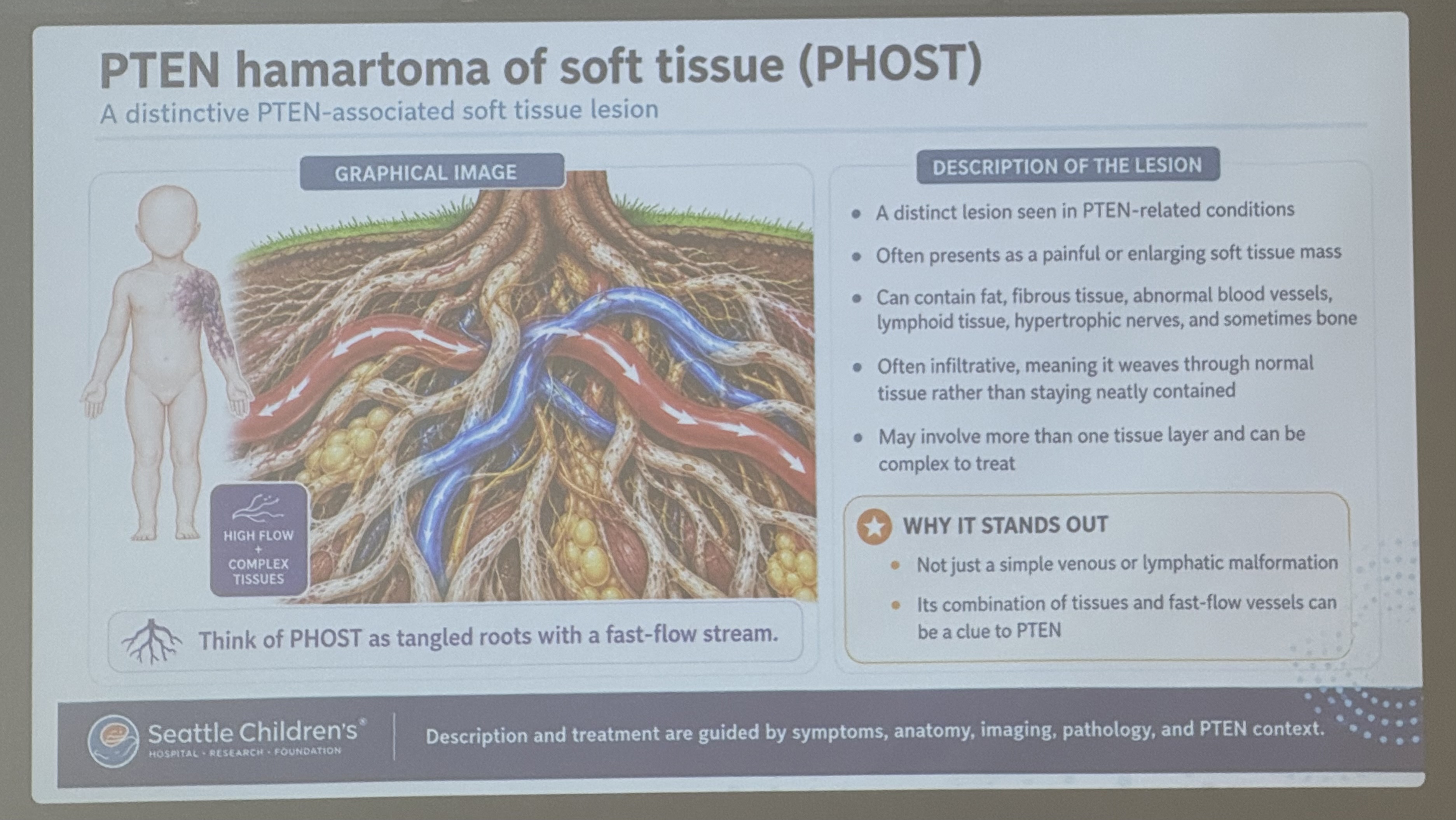
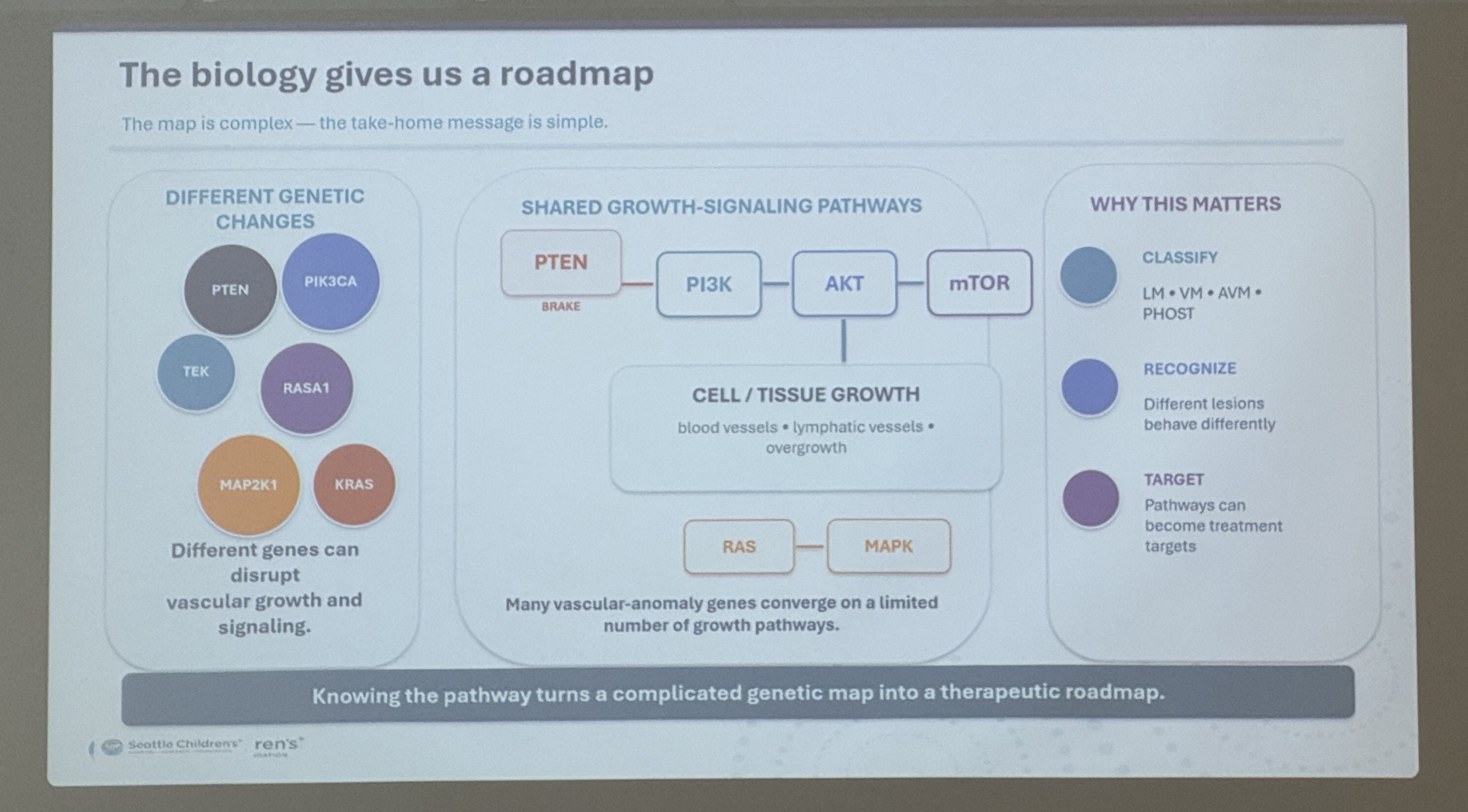
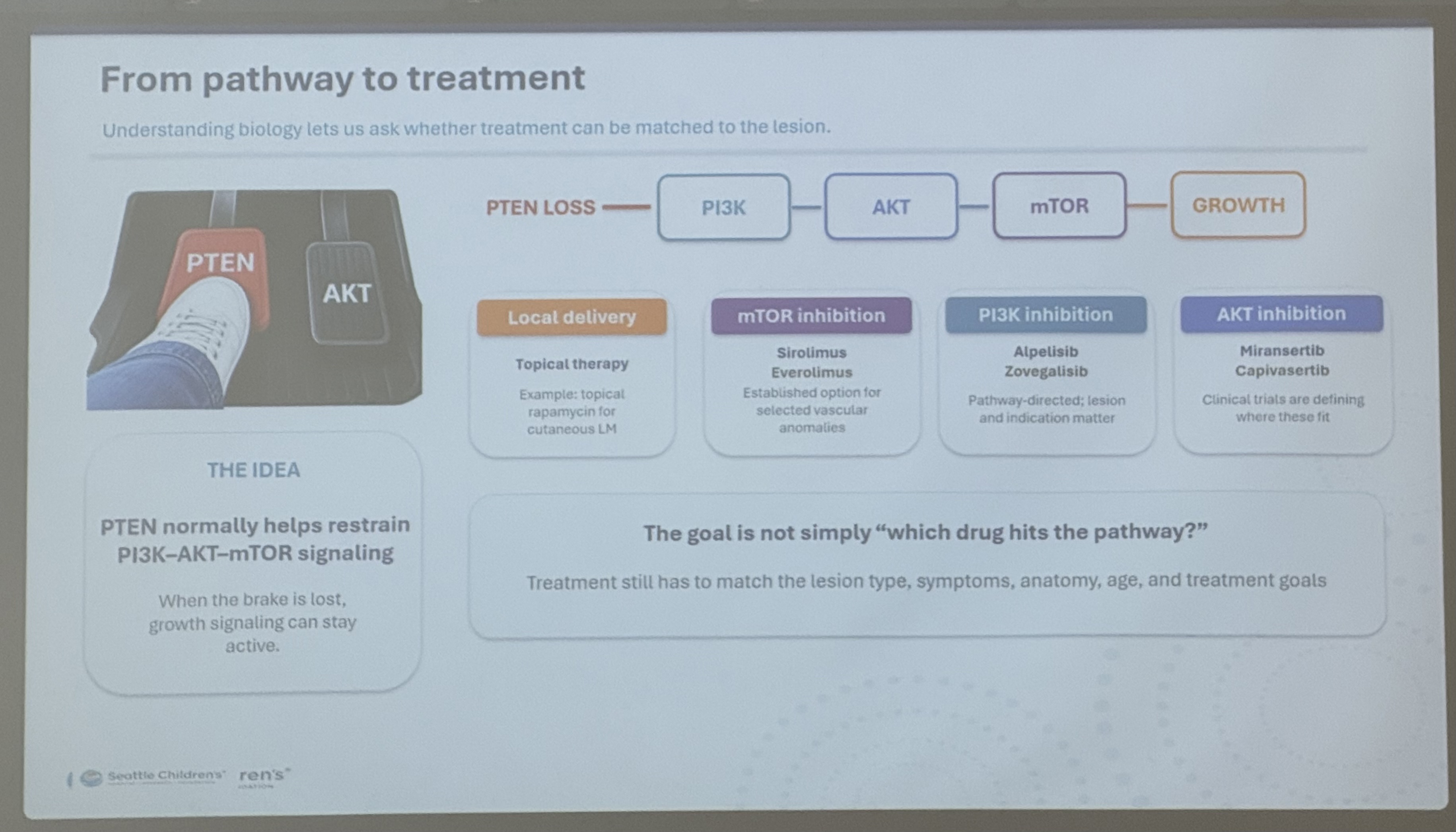
1:30 Ying Ni, PhD Cleveland Clinic
Prevalence and Spectrum of PTEN Germline Variants
If I’m being honest, I was a bit checked out of this one. My brain was spinning after listening to Dr. Eng.
I also think she was so super smart that a lot of the content was above me!
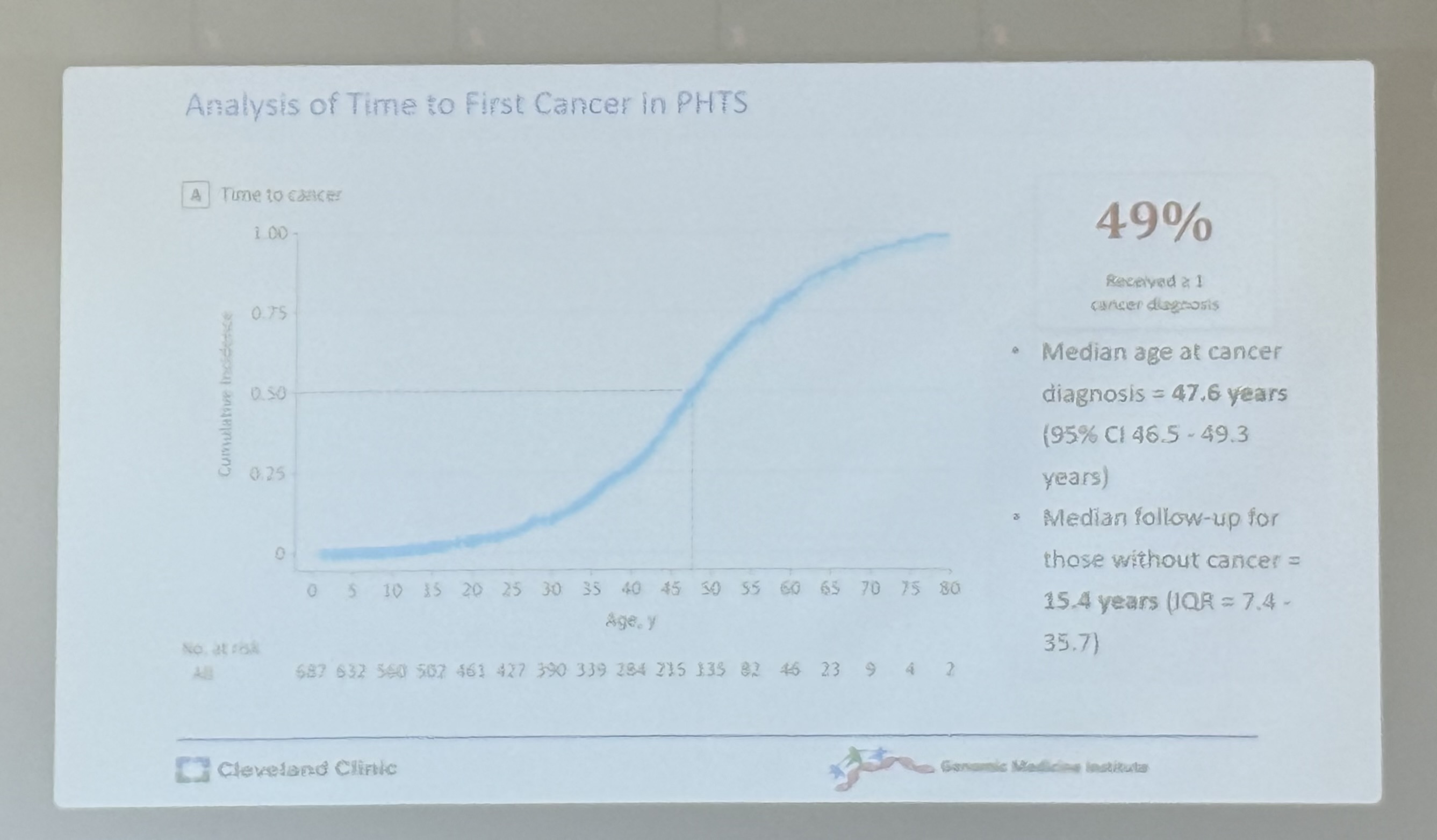
I did write in my notes that we are seeing younger average age of first cancer diagnosis in PHTS patients. It is now 46 down from 59.
I also noted that she said PTEN mutations may be a bit more common than we think/ know.
2:00 Ms. Jana Heady MS, CGC- UT Southwestern
UT Southwestern PTEN Program
I did not do much better with this presentation. I think it is harder for me to drill down into the genetic part of PHTS now that we are 15 years post diagnoses.
I did learn something about germline mosaicism that I never fully understood. But, it will only play into unproven theories of our disease origin in my own family.
2:30 Dr. Denise Adams- CHOP
PTEN Vascular Anomalies Research
Again, because vascular anomalies are so personal to Meghan and I, I was more dialed in here. I have enough slides to share the gist of the presentation.
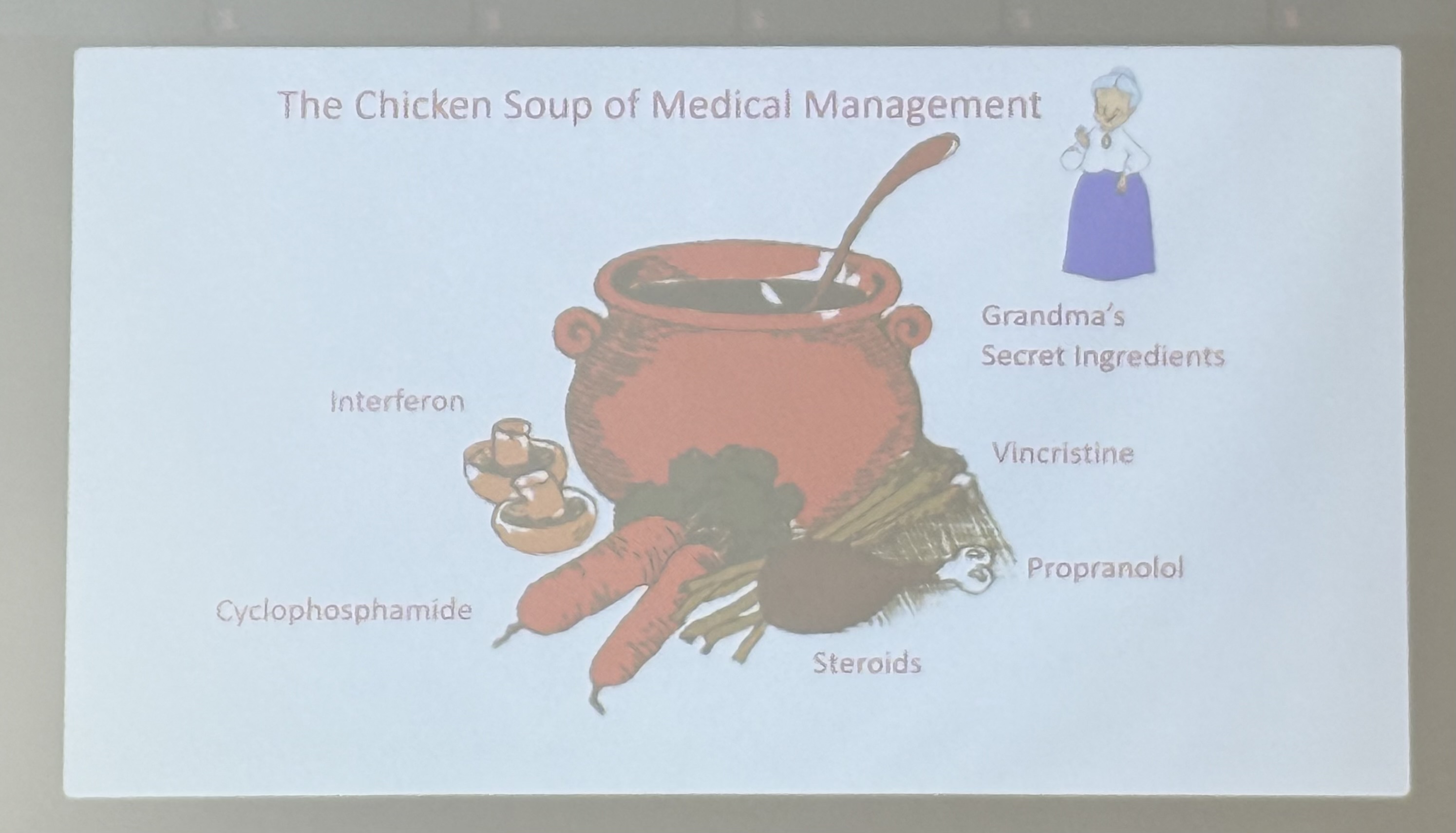
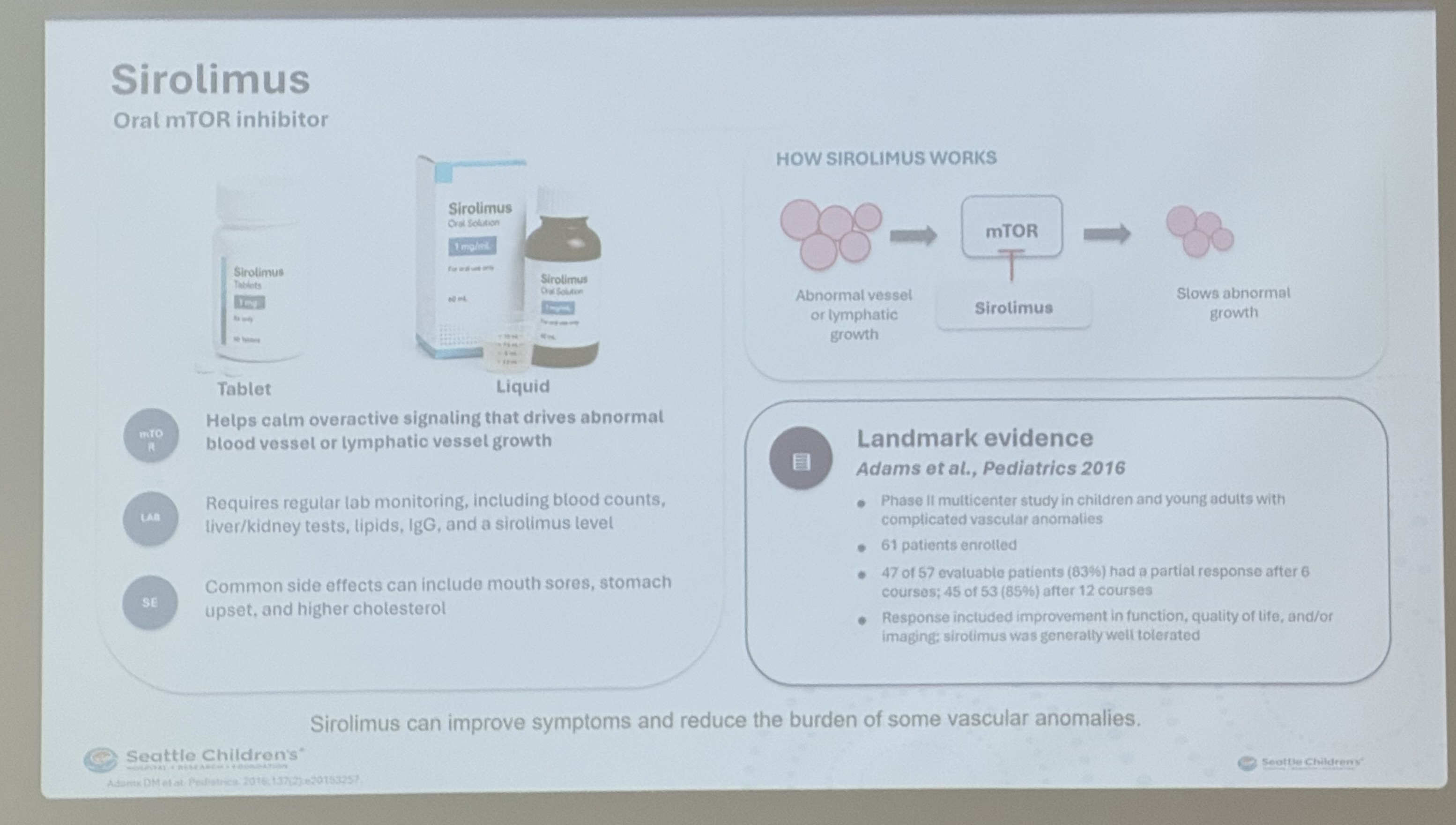
This slide got my attention because I recognized a few drugs, including propranolol, recently prescribed to me to potentially assist in my migraine management.
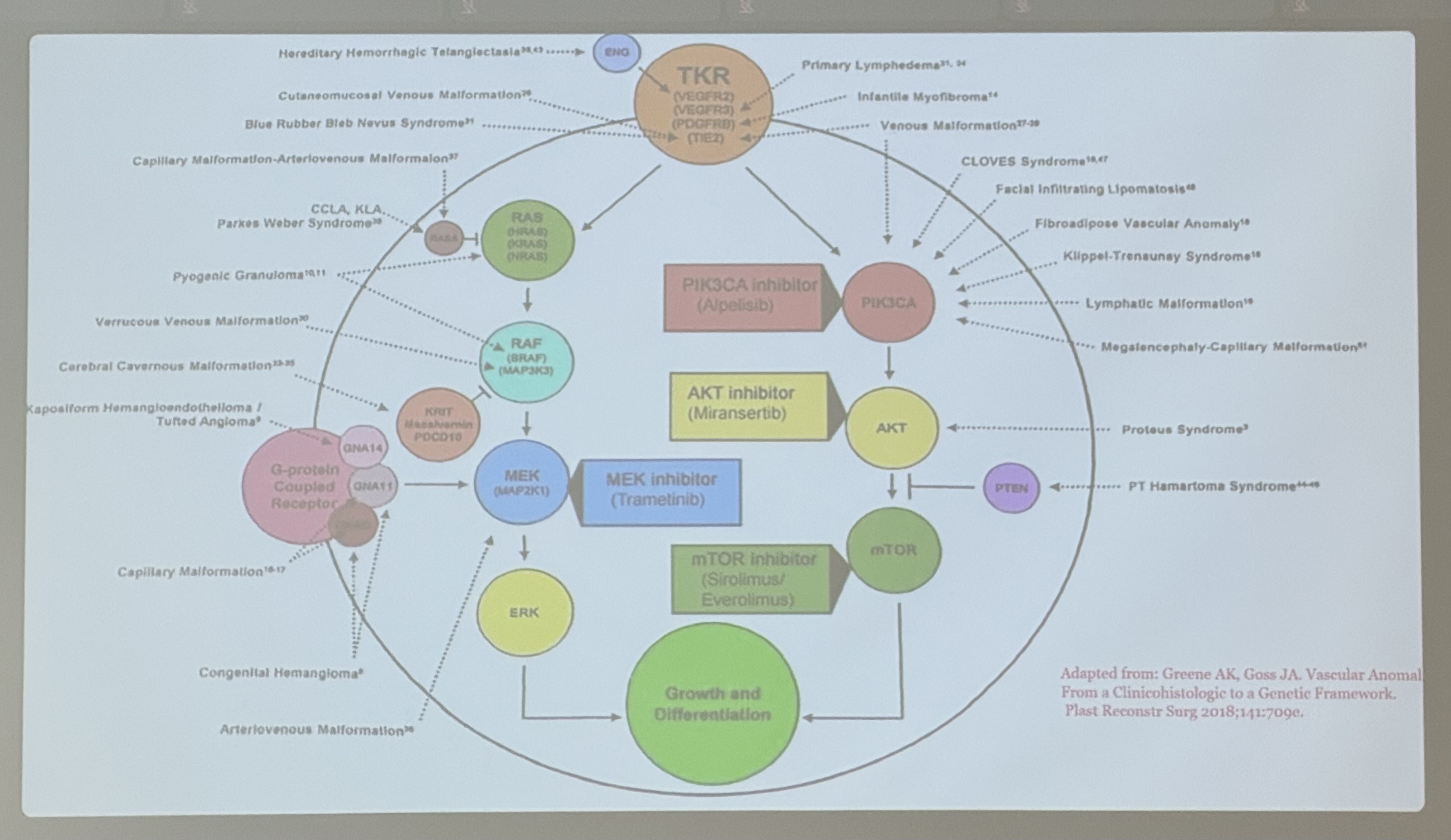
That slide makes my head hurt but I kept it because some of your understanding far surpasses my own. I was excited I knew SOME if the terms!
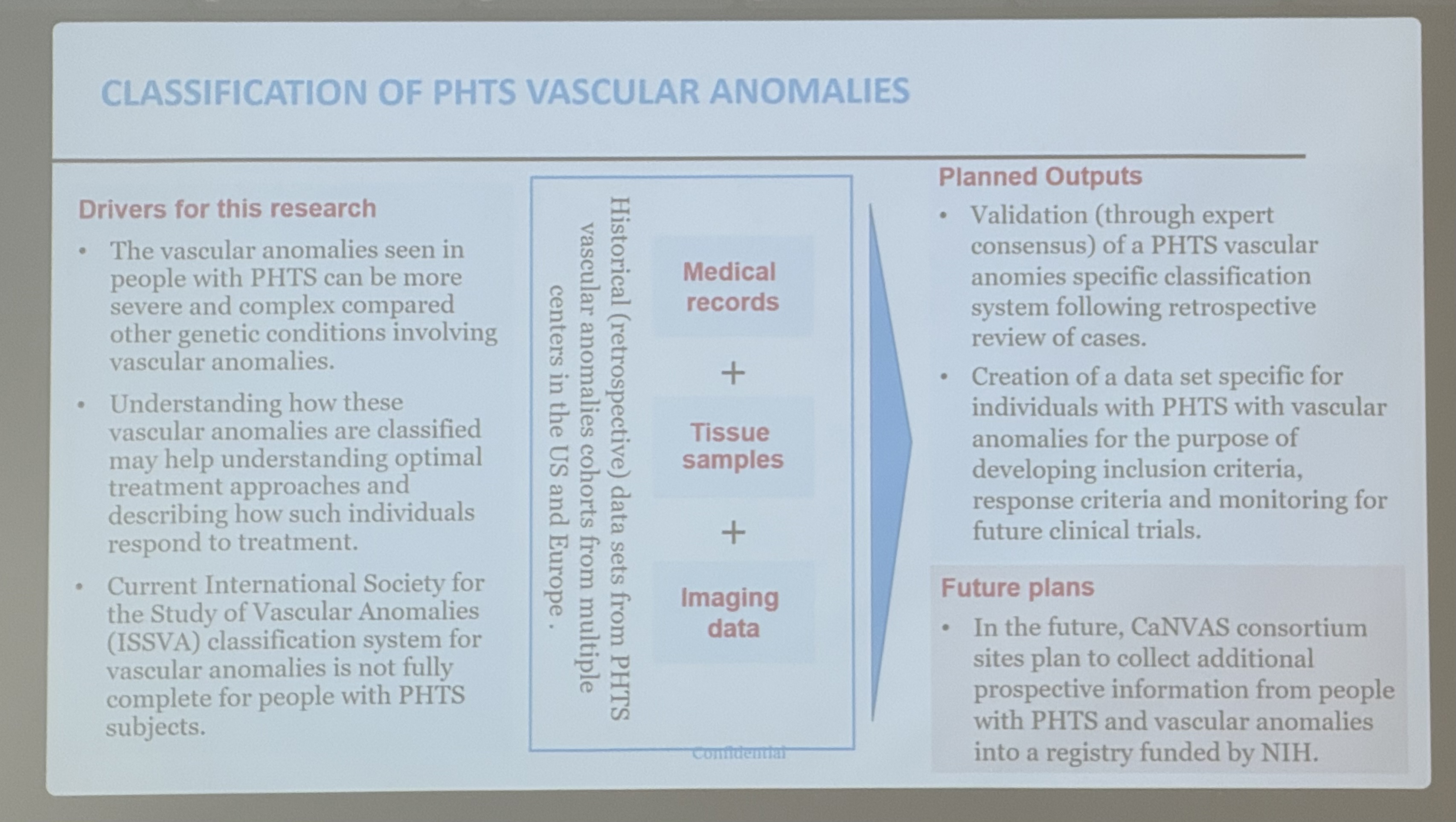
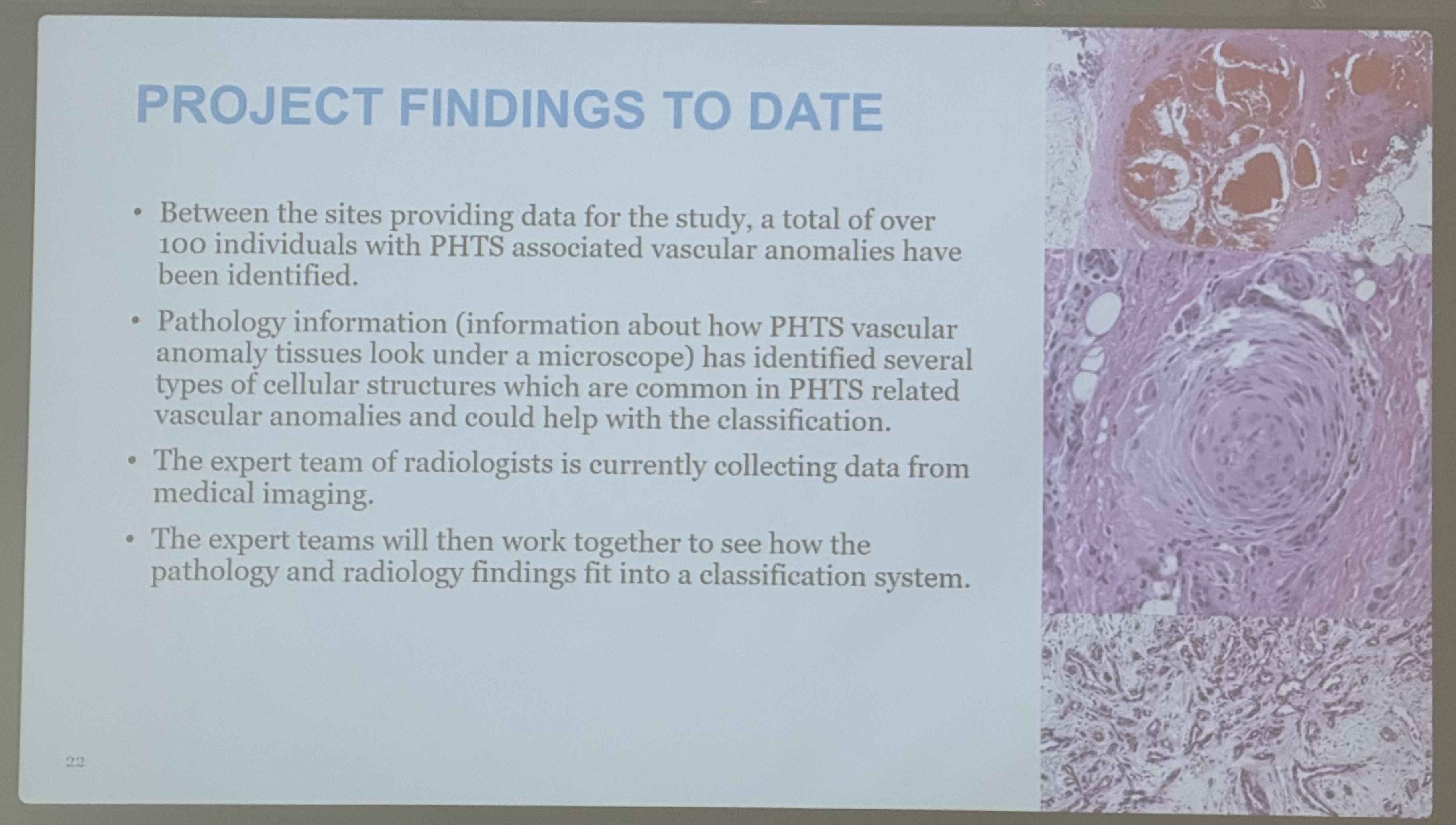
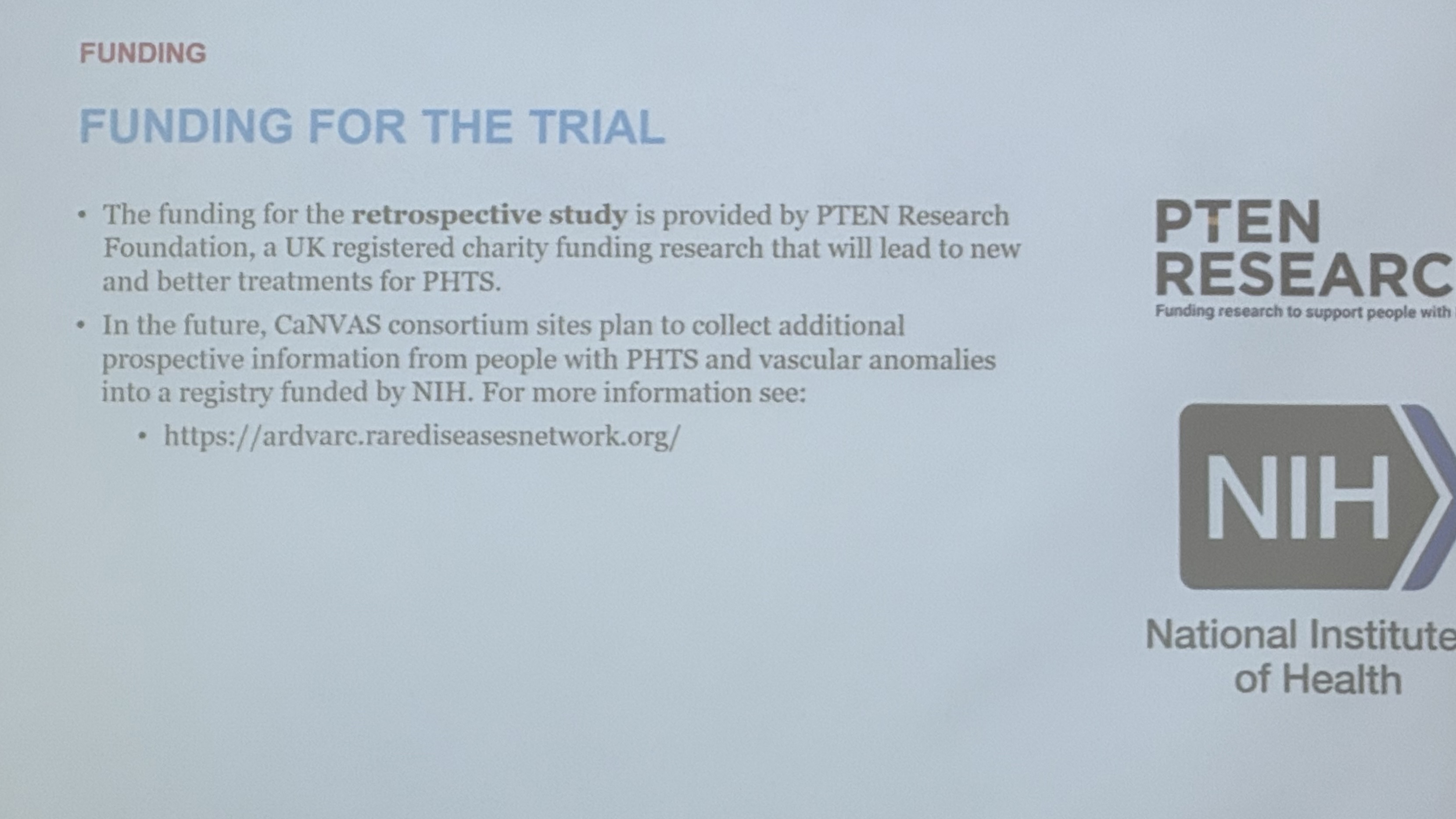
Dr. Adams was speaking of two studies, but proceed with caution because I do not have a full set of slides on either one.
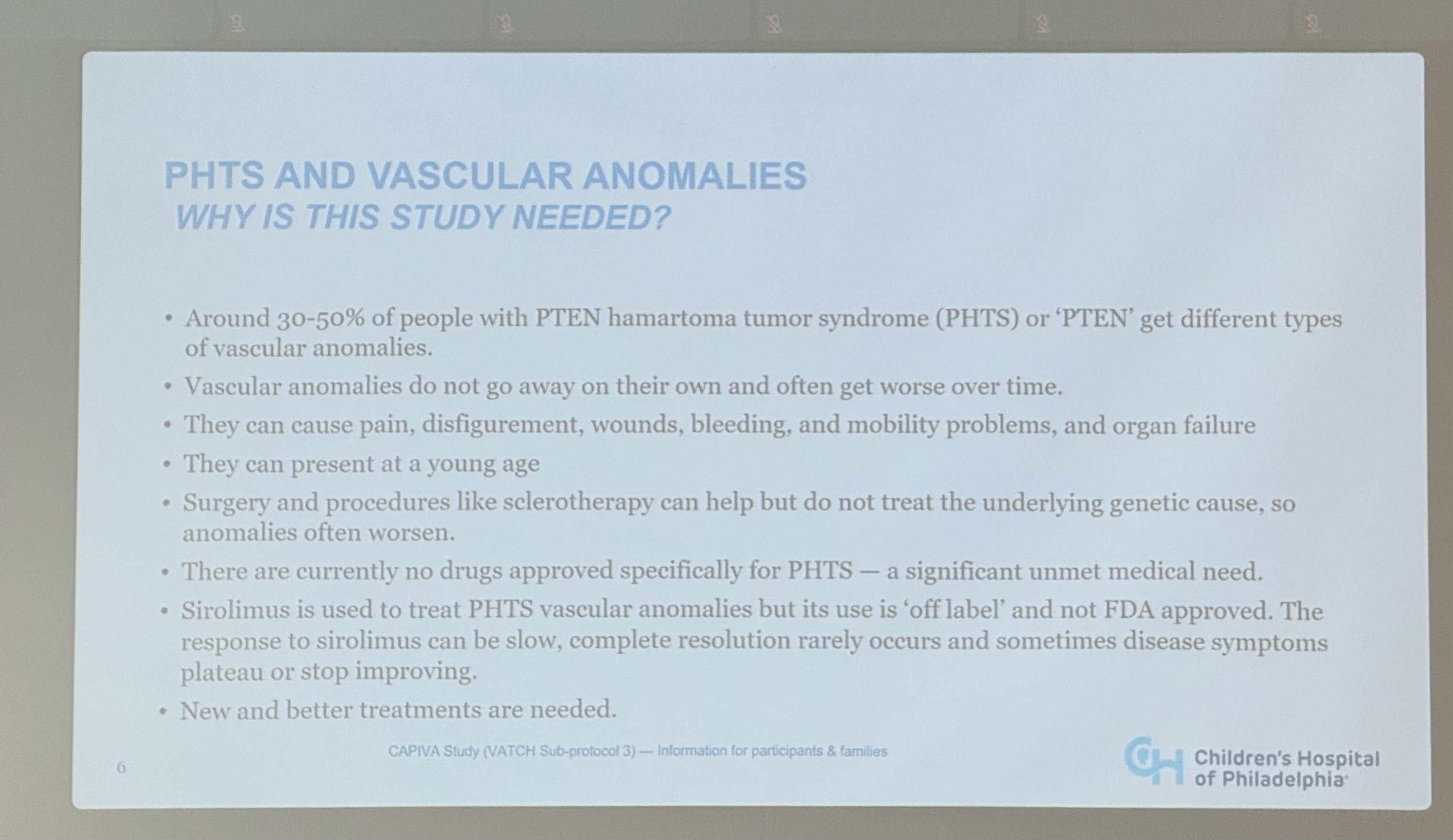
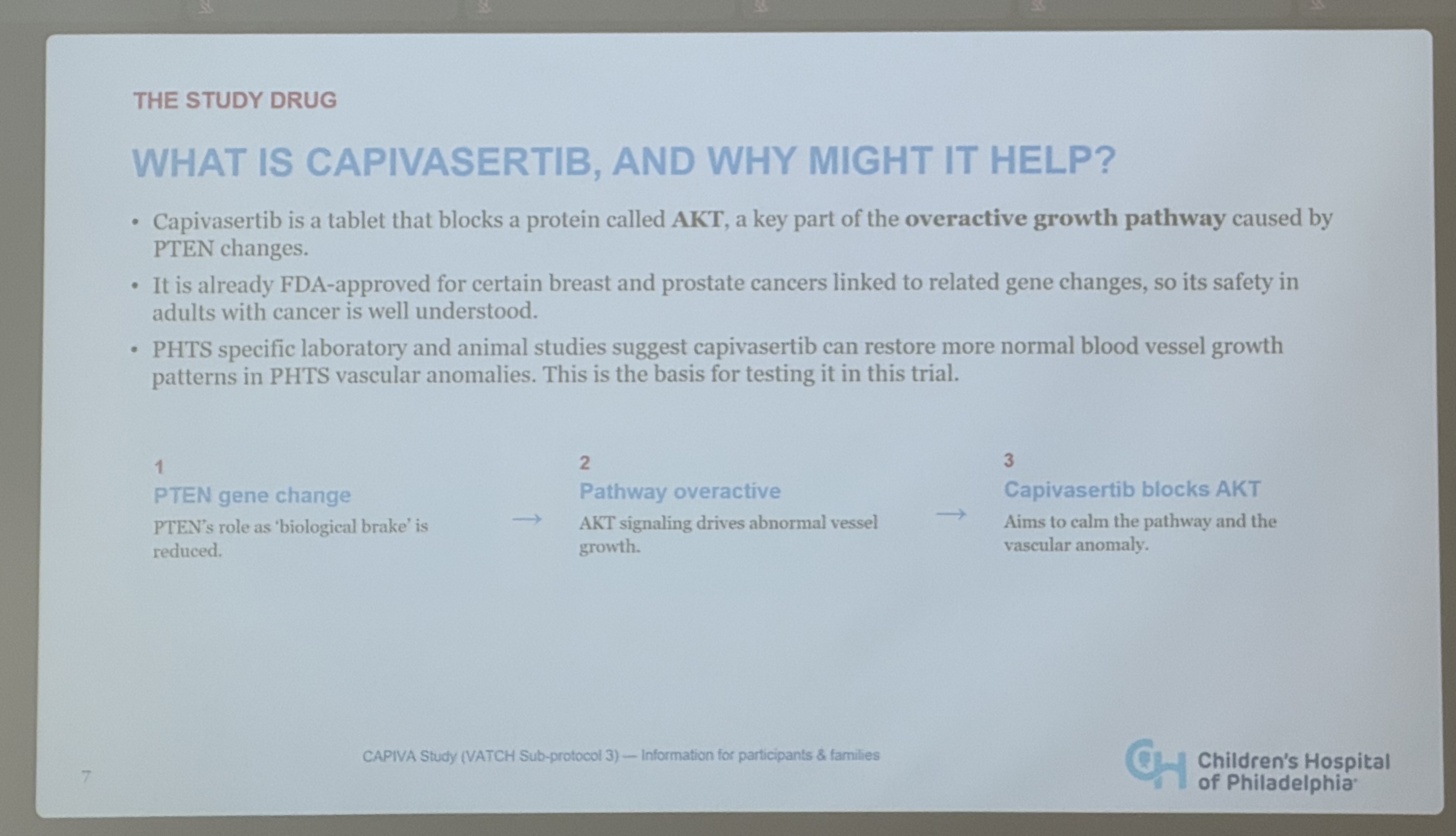
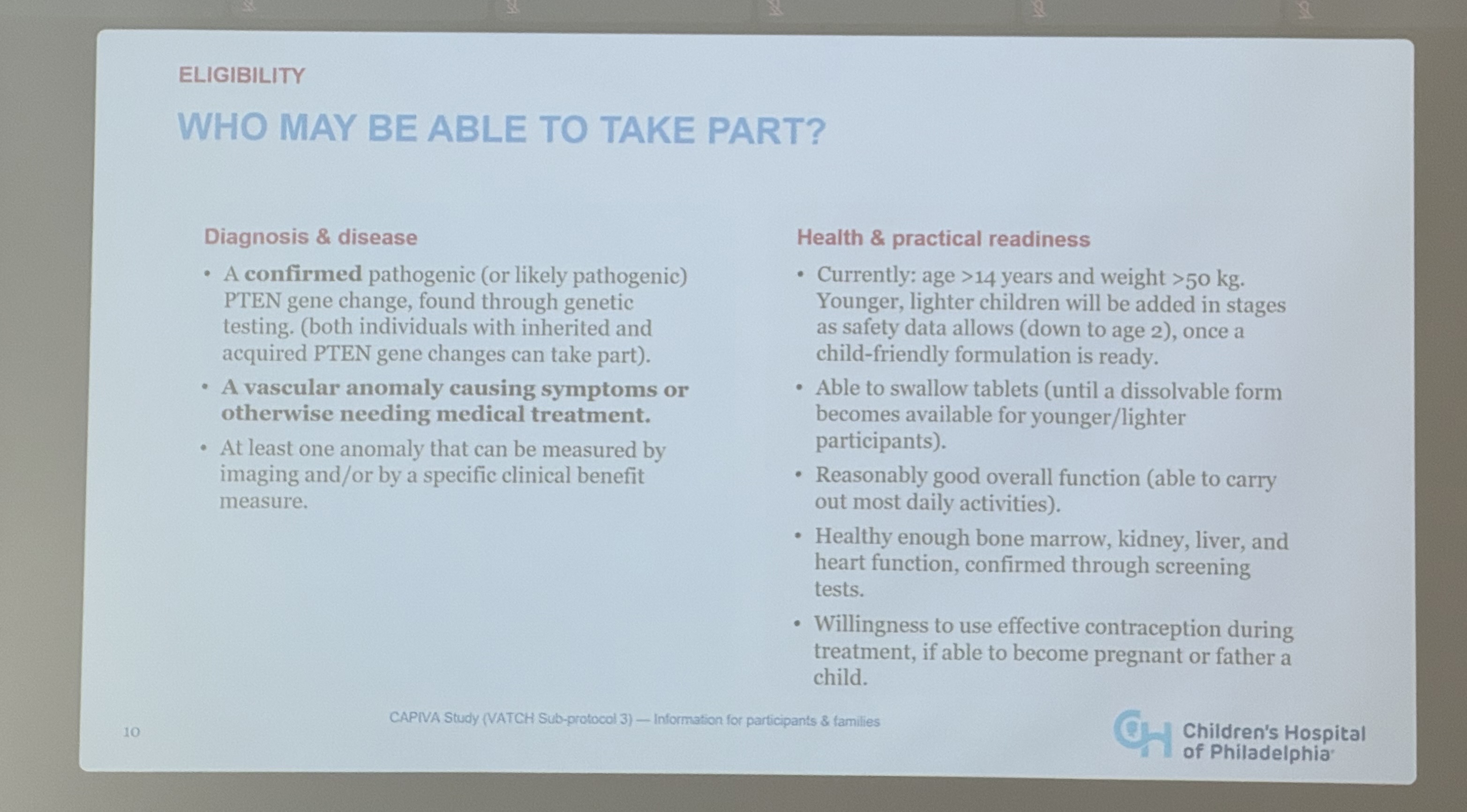
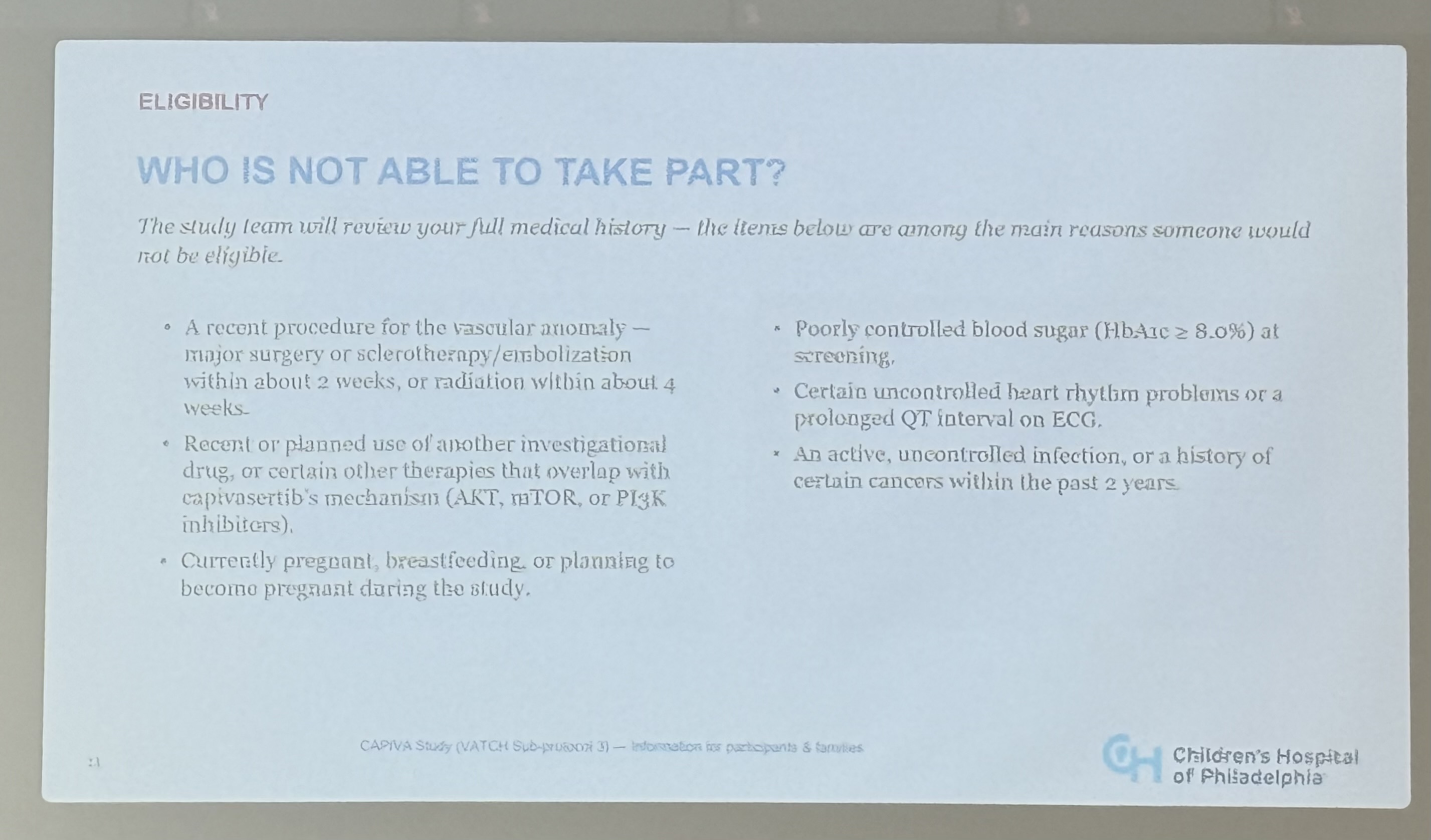
I believe these are for the ‘CAPIVA’ study.
The other one is a research base retrospective of 100 PHTS patients with vascular anomalies.
Every year prior to this one, I wished I had been at the in person Symposium. I always wished I could have seen and heard the presentations. I hope this helped some of you who were unable to attend.
I wholeheartedly recommend attending in person when you are able and I am grateful that this year I was able to.
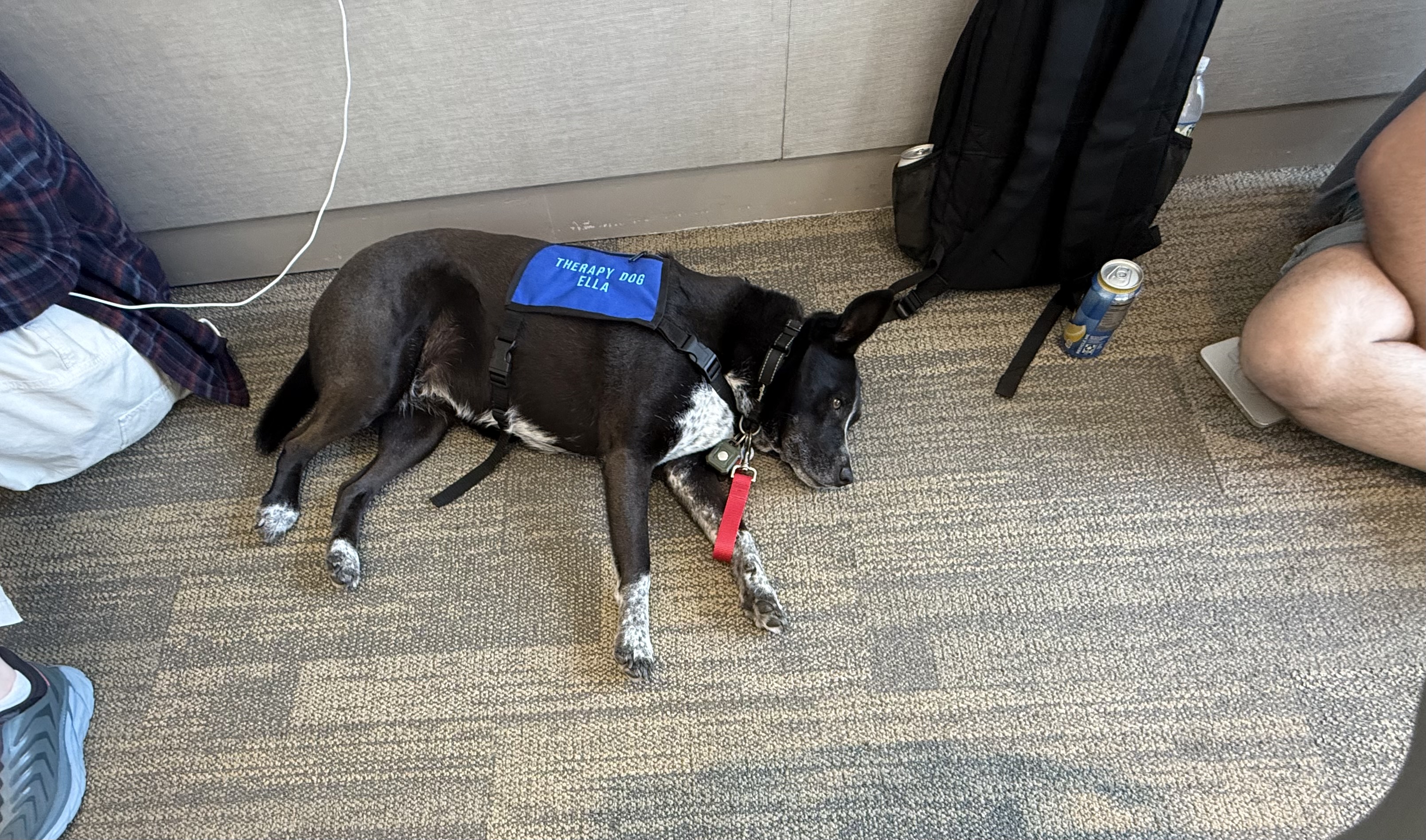
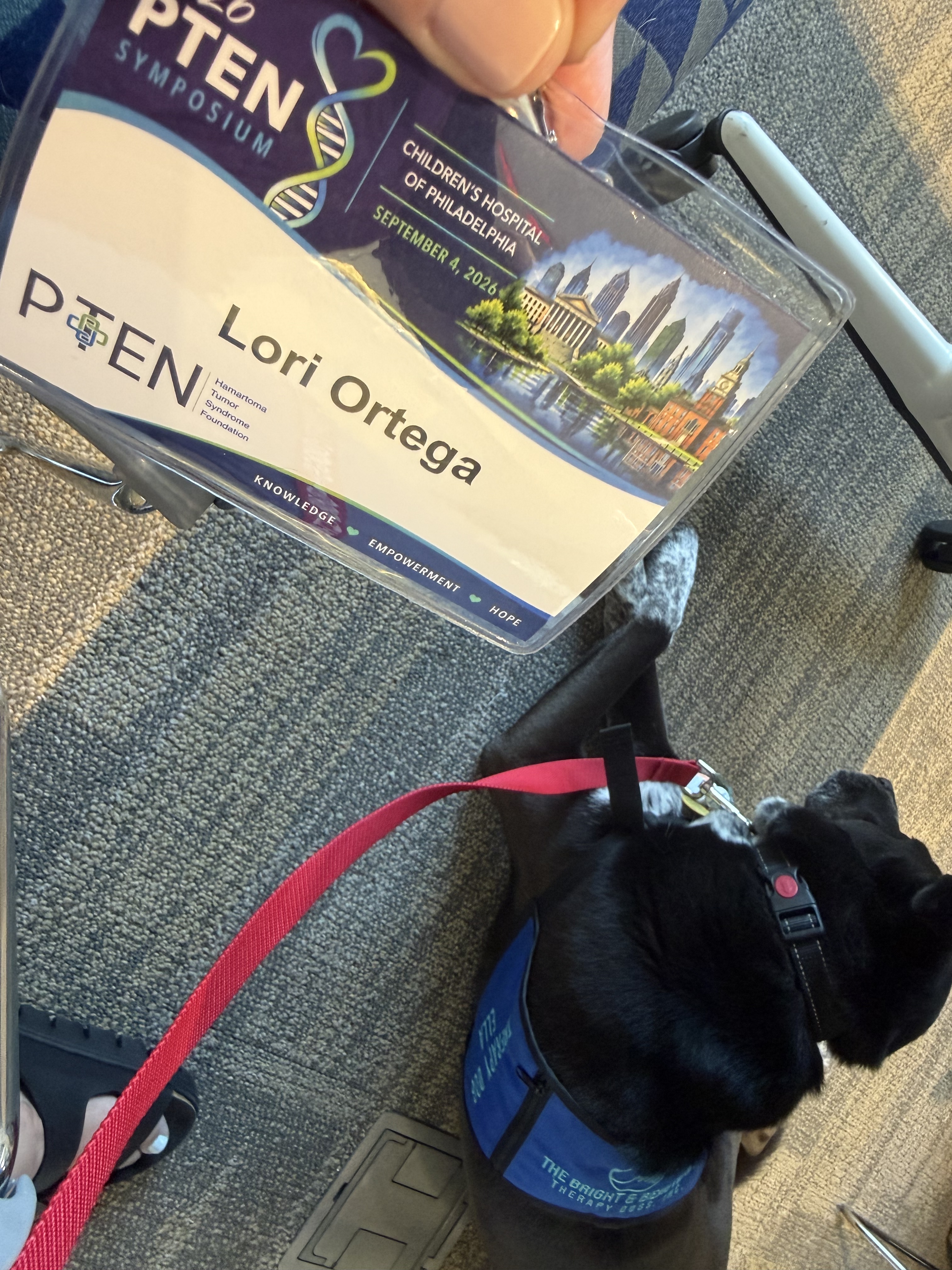
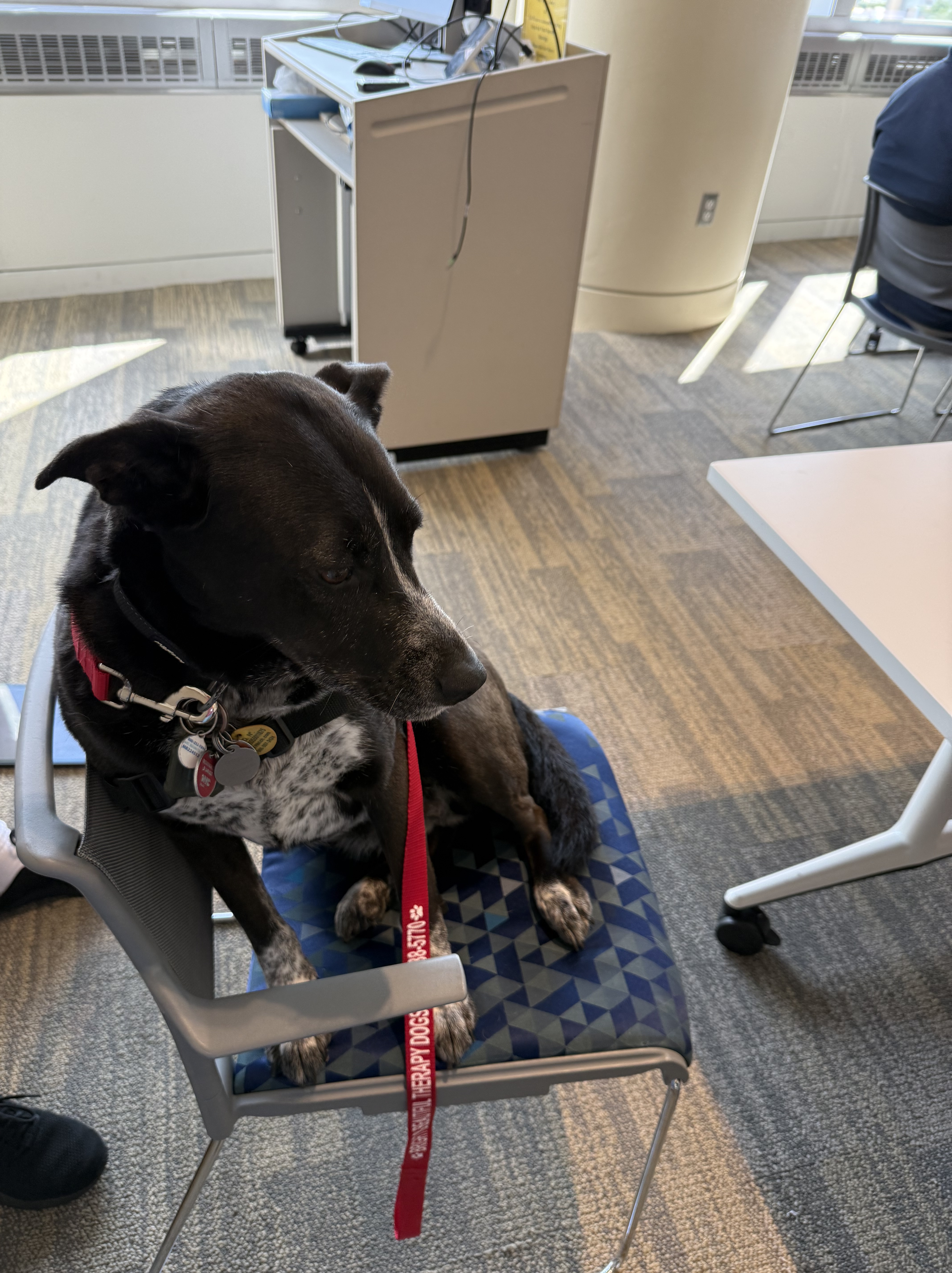
And now, I feel like Ella! So goodnight all.
I am grateful to be
#beatingcowdens
alongside all of you!