Agony

Last night was the kind of night I never talk about. My girl tells me I let the world off easy because it makes everyone else uncomfortable when we talk about our pain. She insists it’s not my job to lessen our pain so others feel better. For me it’s always the way I go, but the truth is she’s not wrong.

Still it’s hard for me to tell the raw story. I use my writing to sort out all the dark thoughts and bring the light through. And when I can’t do that authentically I usually just stop. I stop writing. I stop talking. I hide.

Last night there was nowhere to go. It was a long dark night with hospital style interruptions every 7 minutes. There was minimal sleep, and unrelenting pain for my girl that was a solid 10/10 for hours.

Last night lasted forever. The gut wrenching cries drowned out the shattering of this mother’s heart when the hard truth that there is literally nothing I can do to help settled in.

The reality that the surgery involved the removal of inches of muscle was evident somewhere between the spasms I could see/ feel from the outside, and the Valium/ oxycodone/ dilaudid rotation that was being tossed at her to at least inch things a hair lower than 10/10.

Not helping at all was/is the feeling of numbness/ diminished feeling all down the front of her leg. She was/is not currently reassured by the theory that it could be nerve swelling. We’d have a better idea if they were able to push NSAIDs. But they can’t. Because that pain in the butt (literally and figuratively) tumor bled…

Having sat by her side through countless surgeries – this one officially wins the “Suckiest Surgery” award.

At some point they will brace her, put her on crutches, and get her moving. We are well aware that “the only way out is through.”

This surgery, where the patient is an adult who has a ton of knowledge of human anatomy and is prepping to be a healthcare professional- this surgery is the hardest. This surgery where mom is a guide on the side, and I can make actually nothing better… this surgery is the hardest.

This time I’m too tired to create a happy ending. This time I’m a 50 year old mom with about 90 minutes sleep in the last 30 hours.

Maybe this was the perfect time for me to tell the story I never share. Our story is one of overcoming, but if I don’t describe the obstacles/ land mines we overcome on the regular, maybe I’m not really doing our story justice.

Our story is one that does not quit, and does not give up. But our trauma from a life of this… it’s so ingrained in who we are that it’s impossible to tease the two apart.

Where does that leave you, well meaning family/ friends/ strangers? Well, it probably leaves you uncomfortable. And maybe for today that’s ok.

What can you do with that? You decide. Never underestimate the value of sitting alongside those who suffer even when you can’t fix it. Maybe especially then.

Either way- you choose. We’re busy using every ounce of strength we have…

#beatingcowdens

Recovery Room- The Waiting Place

The recovery room is the land of mixed emotions. So grateful to see her on the other side of another surgery, yet so terrifying to see her pulse ox dip as they race to get her on oxygen.

Gutting to watch her screaming in pain until finally a cocktail of pain meds knock her out completely.

She should rest. After squeezing in her GRE from 9:30-11:30 she fired off 6 applications to Physician Assistant programs before catching less than 2 hours sleep.

That sense of urgency is our 24/7.

We left home at 4:30- arrived by 5:30 and was in surgery by 7:30.

Three and a half hours later, we got a decent- yet not perfect report and I sit by her bedside… waiting.

Waiting to see if she’ll breathe without oxygen the way she needs to.

Waiting to see how they’ll manage her pain.

Waiting to map out the road to recovery.

Waiting.

He got the tumor. But with it went some healthy muscle too. He got the tumor, but the SOB had a vascular component too.

He got the tumor… but…

There’s always a but.

For now we sit. And wait. And HOPE for all the best answers to chronically complicated questions.

#beatingcowdens

Have you had any surgeries?

It’s an actual question people ask. And I guess it is a fair question for most people. But, we aren’t most people. We are 1 in 200,000 tumor growing Cowden’s Syndrome people.

The question makes everyone in the room uncomfortable because when they start to realize the over 20 surgeries for my girl alone will NEVER fit on the three lines they allow, they ask me to prioritize. But, I have. And the are all important. I even print them out so they don’t have to rewrite them.

It’s like the medication question. Yep. There are a bunch. Yep. They all have value. Yep. They all have side effects. Good for you that you have never even taken a Tylenol. God Bless you and your healthy pain free body. But be careful not to imply that it is even a choice not to control the unrelenting pain somehow. I mean, you want us to behave like decent humans right? Because you can’t have us pleasant and medication free, If you want to be sure maybe we can place a giant tumor on your sciatic nerve. Or let you contend with the after effects of a high flow AVM in your knee, and the shifted patella, or in my case a boatload of hemangiomas on your spleen, and bodies that are just off sides 24/7/365.

I wonder how people would react if I started asking the same question of them…. “What do you mean you haven’t had ANY surgeries?” People find our lives odd. They like to throw well intentioned platitudes. “Is she better now?” “Is it fixed?” “She’s so strong.”

Yep. We’re strong. The weight is heavy. Oppressive at times. The trauma is real and ever present. And to the well intentioned “You should see a therapist…” yep, we’ve got it thanks.

But, no. It’s not “fixed.” It’ll never be fixed because the broken PTEN gene proliferates every cell of our bodies. It has taken a toll on our bodies, and will continue to do so. Active surveillance for cancers and tumors that are flat out likely to grow and show up is just our reality.

It has taken a toll on our spirits. Differently, yet a significant toll on both of us. We are a lot. Chronic issues make even the most well intentioned people uncomfortable. Pain changes you. Trauma changes you.

This life can be so lonely. It is hard to relate to experiences and people when your reality makes most uncomfortable. The isolation becomes easier to manage than the abandonment.

We are a lot.

We are often defensive. Being left behind so often will do that. Being judged too early and too often will do that too.

I think today as I wait for a surgical update I am just tired.

We arrived at 5:30 at 7:30 they rolled her away from me.

Our hopes and dreams right now rest on the resection of her thigh muscle to remove a tumor situated somewhere between her femur and her sciatic nerve.

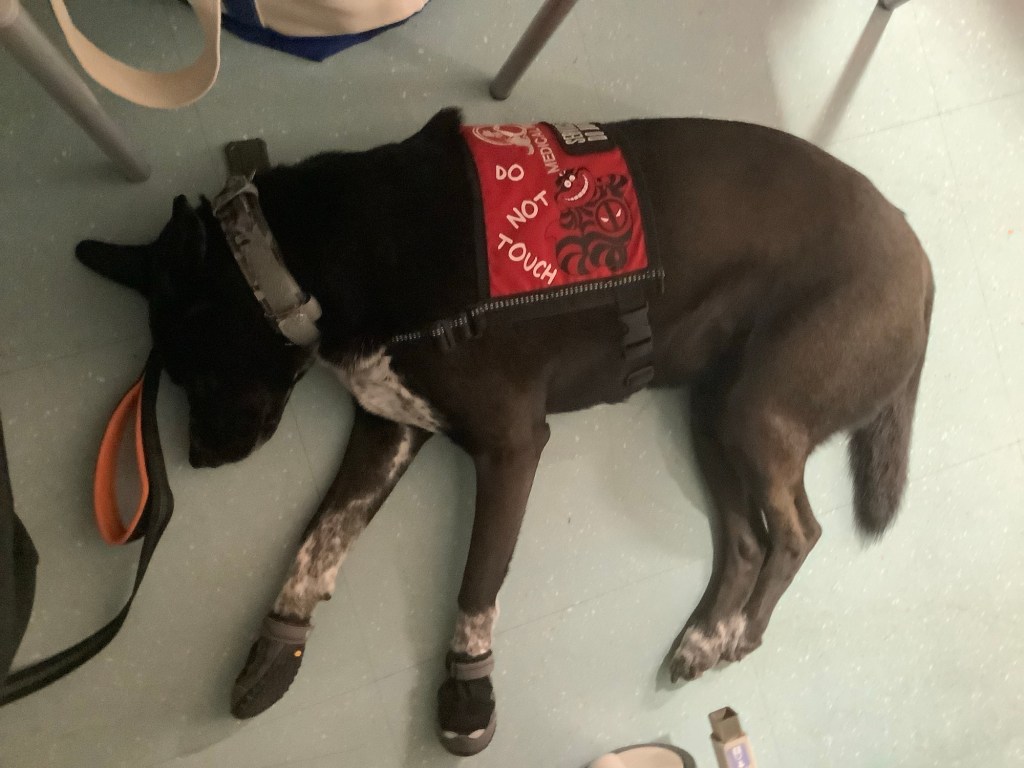
As I sit here with Ella her service dog, praying and waiting, I can’t help but choose hope.

This girl, well woman, is a force to be reckoned with. The number of appointments she has crammed into the last 3 week is ridiculous. She’s taking an EMT class 12 hours a week with her dearest friend, and took the GRE for the second time at 9:30 PM LAST NIGHT, then submitted 6 applications to physician assistant programs for next fall before closing her eyes for about 2 hours.

She is so determined to overcome all the chaos that has been her life and do BETTER for other that she inspires me.

Join me in HOPE and prayer for the successful removal of this tumor with complete and total nerve function in tact.

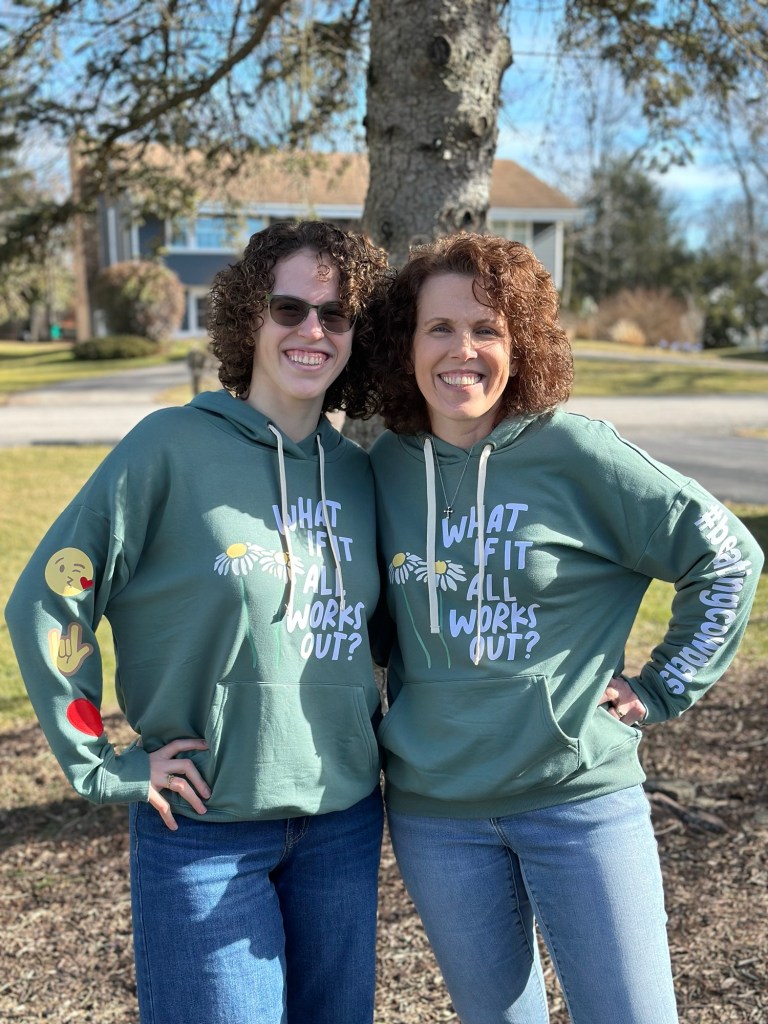
Because, What if it all works out?

#beaitngcowdens

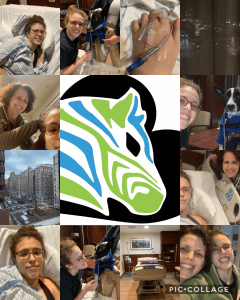
A few photos from our pre-op selfie tradition this AM…

Dirty Little Secret

Remember that killer headache you had last week? Or the time you fell off your bike? Or the day you slammed your finger in the door? What about the time you had a gallbladder attack and you ended up in surgery? Remember your most painful experience. Think about how it consumed you, and how hard it was to get through. Think about the people who cared for you and how glad you were when you were past it.

Remember the support you received after your injury/ surgery/ accident. Remember those people checking in on you and encouraging you. I bet if you think about it, one of the things that carried you through was knowing it would pass. No matter how dark it got, you knew that one day, with rest and medication and therapy and support you would feel better again.

But what if the pain never went away? What if there was always a residual pain, just present enough to occupy precious space in your mind 24/7/365?

I was, yesterday years old when my almost 20-year-old said something I don’t think I had ever really given much thought to. She said some people have no pain. I think I struggled to process what she was saying. So she said it again. To be honest the thought of having no pain was kind of mind-blowing to me. She and I both deal with pain, pretty much all the time. I think maybe it has been easier for me to deal with because I never realized or gave much thought to the fact that this is not the same for everyone.

Chronic pain is treated like a dirty little secret. You can’t talk too much about it. It is a buzz kill. It makes a room heavy. It makes people uncomfortable because even the most well-intentioned people do not know what to say or do. And if your chronic pain lasts, well, forever, talking about it is frowned upon. Talking about it can also generate unsolicited advice, “cures,” and shame. Many people cannot imagine that some bodies hurt. All the time. No matter what you do. So they resort to blaming the person who hurts. It must be their fault. They must be lazy, stressed, overweight, have poor eating habits, lack exercise, or they should just “relax.” It must somehow be their fault.

Blaming the sick person is a protection we use. I have done it. I think we all have. We often do it because we are glad it is not us who is sick or in pain. We want some concrete intellectual assurance that it can’t/ won’t be us. So, when you have chronic migraines, and someone asks you why you haven’t found your triggers yet, or when you have joint pain, and you get told to stretch and strengthen, or when your stomach pain is met with “calm down, it’s just stress…” someone is trying to make sense of what you are feeling. In this society, we want a pill or a medication or an easy repair. They are trying to “fix” it, but in doing so often the person in pain is now left also feeling like a failure.

And that patient blaming is not limited to colleagues, friends, and family. Patient blaming is on fire in the medical community. While some practitioners understand that most people do NOT want to spend their whole lives at the doctor, there are others who will find every reason in the world to make you believe you are a depressed, pill-seeking fool.

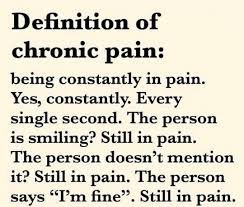
So those who endure/ survive/ function with chronic pain start to feel like they have a dirty little secret. They feel the pain is their fault and they have something to hide. They feel burdened by this pain that is involved in every single thought and every single move. All day. Every day.

Imagine a song you hate so much. Now imagine that song playing in your ear. All the time. When you try to sleep – it’s there. Taking a shower – it’s there. At work – still there. Out to dinner – yep, still there. The volume button broke. The song is stuck in a loop. It is just enough to keep you distracted but not loud enough for anyone else to hear.

The first few times, you tell someone it’s there. It’s loud. It is annoying. It is hard to concentrate. At some point people tire of hearing this, and tell you to get it fixed, or get over it. They can not even hear the song, but the thought of you mentioning it gets them twisted. So, you stop talking about it. But it NEVER STOPS PLAYING.

So, being aware that you need to do herculean things in a body that has the strength of a sloth, you press on.

You go to school. You meet up with friends. You go to work. You make polite small talk. You pursue career goals. Because you know that we only get one chance at this life and you don’t want to miss it.

And you bargain with yourself. You make little deals along the way with this body that has this terrible song playing so loud that a chunk of your focus is off, and everything you do is just harder than it should be.

You try so many things to get better. But you don’t talk about them. Because hearing someone tell you what should have made you better by now, or listening to the stigma of many alternative treatments has you wiped out and on the defensive. You don’t need to explain. You don’t want to be scammed, or judged. You just want to feel better.

While you are pressing forward, using every ounce of strength that you have to complete daily tasks, it is easy to pull away, even from those closest to you.

It can be so hard to be appropriately sympathetic to a skinned knee when the thought of amputating your most troublesome appendage crosses your mind at least every few days. Your rational mind knows the skinned knee in fact does hurt. Somewhere in the chasm between “I wish someone understood me” and “I want to be a generally decent and kind human” you find the words to say that you hope that skinned knee heals quickly.

Hope. It is the most powerful weapon we have. And sometimes we have to dig it up and polish it off and look at it for a long time. Sometimes we are afraid to dare to hope because we have been disappointed so many times before. But, hope. Hope is everything.

So what can you do if you love someone with chronic pain? How can you relieve some of the burden of this dirty little secret?

Some tips? Remember that it is there. All the time.

Be available for a hug if they want it.

Be encouraging but not patronizing. Use empathy over sympathy. And nudge them forward.

Don’t try to fix it. You can’t. If you could they would have already done it.

Sometimes quiet proximity is the best thing in the world. Being “alone together” can be reassuring.

Believe that they will do all they can when they can.

Don’t stop making plans, but be flexible whenever you can. Pain levels are not on a schedule.

It is hard to be in pain. It can be torture to watch the person you love in pain. By the way, they know how tough it is on you. It is why they worry so much. They have been abandoned before for being “too much” and they don’t want you to go too.

Show your person you want to stay. Show them that despite the dark times, their light is something spectacular you want in your life forever.

It is ok to remind them sometimes that they are a total badass. It’s not a title they were seeking, but it is well-earned all the same.

Cowden Syndrome in and of itself does not cause chronic pain. But, the ramifications of living a life of it, well that can. In our house, we stay active. We stay healthy. We go to work. We go to school. We pray and laugh and love each other. Together. In this house, we know that great things are possible even in the midst of relentless physical pain.

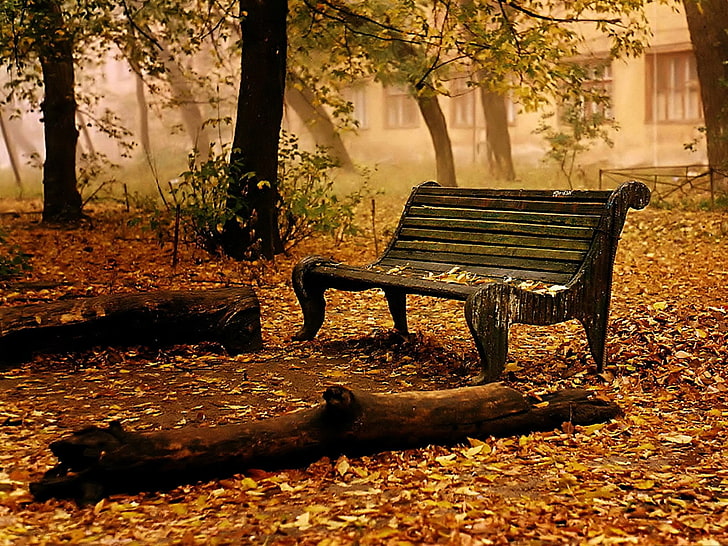
We have goals and we will succeed. So if you see us sitting on the bench, don’t count us out.

We remain….

This topic has been on our minds this summer. Send us your thoughts on chronic pain. We’re especially interested in the best and worst things people have said to you or a loved one in pain.

Meghan and I on our best days will always choose ‘Joy!’

The Rain…

I walk past a sign in my hallway regularly. It has the familiar phrase, “Life is not about waiting for the storm to pass, it’s about learning to dance in the rain.”

I think about other cliche phrases like, “Into every life, some rain must fall,” or, “You can’t have a rainbow without a little rain.”

And I picture a mom and a daughter in their rain boots, splashing and laughing with a rainbow peeking through the clouds.

Then I retreat further into my corner, chastising myself for even being a failure at that.

I am a rational person. I am numbers, data, and spreadsheets all day. I understand the gravity of world events. I comprehend and ache for epic loss, severe illness, and struggles right around the block. I have gratitude for abundant blessings. I adore my husband. I am watching my daughter flourish on her own at college. I believe in God, and have faith that we are in a resting place on the journey to eternal life.

Yet, I struggle.

And as I have mentioned so many times before, the reality of “parallel truths” sometimes aches in the depths of my soul.

The rain, right now, feels more like a neverending storm cloud. Some days I do not see the sun at all, even when I know it is shining brightly. And I mean that literally and metaphorically.

I have always been one to keep it real. Especially here. I want a mom who finds this page for the first time, soon after a diagnosis like ours to feel there is hope. There are kindred spirits along the road they are about to get on. Yet, I will not ever lie to them. They already know the truth in their hearts. This is not an easy journey.

It took a long while to rid my daily encounters of those who are prone to “toxic positivity.” As I said before, I am acutely aware the blessings of this disease come from the “warning flares” we get along the way. And as I watch others suffer from cancers they did not see coming, I give thanks.

But, I am tired. And I am allowed. This endless cycle of medical procedures, of surveillance, of surgey, of billing battles, and the like, is not for the faint of heart. And if I want to maintain the strength to continue this journey at the top of my game, I need to allow myself to find a bench and sit and rest. I need to acknowledge sometimes it is raining sideways, with hail, and lightning. Sometimes I have no jacket on. Sometimes my hair is matted and I am chilly from weathering the storm.

In the more than a decade that we have traveled this road, I have learned stamina is essential. I have learned it is often lonely. I have learned that there are no holidays. I have learned that “regular life” still comes for you, even on this Rare Disease pathway.

And if I am honest my biggest struggle currently is my search for a new “release.” I love to walk. Well, I loved to walk. Hours, miles, music in my ears, sunglasses on my face. Apple pay for a bottle of water now and again. It was how I kept myself together in the early years. A new pair of sneakers and a FitBit. My luxuries. Except, my foot. January 2019. Before the world shut down, everything changed. And honestly, the single thing that has been the hardest to overcome, far more than the loss of my breasts, my uterus, my thyroid or anything else this disease tries to take, is the loss of those free, endless, peaceful walks.

Because on those walks I would appreciate the birds, the flowers, and the smiling children. On those walks, I would sometimes sing at the top of my lungs without a care in the world. On those walks I let it all go, I detoured off the main road, and I always found my way back, better, and stronger.

I can’t walk far right now. Every step sends pain up my left leg from the foot that twisted on a child’s chair in my classroom over three years ago. I CAN walk, but it hurts. And instead of setting me free, it makes the weight of the world heavier. And when I try to push, I am reminded of the new pain in my opposite knee, and the muscle knot in the side of my leg, where the body tries to compensate for the limp I try to hide. On the days I work, I count each step. I ration the Advil. I take the stronger medication at night, so I can try to sleep. I wrap it, I brace the other knee that is failing, carefully under my jeans. I am never without the painful reminder of that injury.

I don’t know if it will ever get well. I have not given up trying, but I just don’t know.

And sometimes, like when the Cowden’s syndrome seems to be at play for a bizarre sudden overgrowth of the gums, and the fitting of a crown becomes oral surgery along the way, or when the girl falls miles away and breaks her wrist, or when the HVAC fails with an open-ended repair bill, or when the husband’s company closes, and the list keeps going, and everything changes, I get totally overwhelmed. And I fall behind on Cowden’s things and “regular” things. I kid my daughter that she is allergic to change. I am sure it is something she got from me, besides a faulty PTEN gene and wild curly hair.

I want to take a walk.

But instead, I sit. In the middle of the storm. I sit cold and soaking wet and cranky and lost. And I long for a release.

But, inevitably someone sits beside me. Someone I dearly love. And they hold my hand and give me a hug, and they just sit. And slowly, out of the corner of the sky comes the tiniest ray of sun. And before I know it, there are birds and a rainbow. And being wet doesn’t feel so messy or lonely anymore. And as the sun starts to warm my body and dry my clothes, I find the strength to stand up and move forward. It’s not dancing, but it is moving. Even if it is ever so slowly.

I reach out and hug my husband, and my daughter. And I remember my second favorite release is to nurture my underattended blog.

#beatingcowdens

I’m not afraid of the dark, and other COVID-19 revelations…

For Cowden’s Syndrome patients, there are surgeries.  There are different kinds for different people.  But, inevitably there are surgeries.

When most young people talk about being afraid of the dark, many parents dismiss their concerns.  They put a night light on for a bit, and they tell them there is nothing to worry about.  Because for typical children, “dark” is that brief time in their rooms before they fall asleep.

But, if you have had about a surgery a year from the time you were too young to fully comprehend the gravity of the tumor causing condition you live with…  the “dark” also comes awaiting anesthesia on an operating table in a cold room full of strangers.  The “dark” always comes after an uncomfortable IV placement and hours of waiting your turn, thirsty and hungry.  The “dark” always comes before you wake up in inevitable pain.

The nightlight in my teen’s room came from scraps her dad collected at work.  Really cool scraps.  And since he’s an electrician, adding the LED was easy.

That light has been in place as long as I can remember.  It provided a gentle glow when the nightmares from the PTSD triggered by one too many manually induced episodes of “dark” would provoke relentless nightmares.

It lit the room for the years my presence was necessary to get past the falling asleep part.

You know, that in between place between awake and asleep…

That time when all the thoughts you try to push away find their way in…

And then the dog took my place, the dog and the light.

But bad hips made it tougher for the dog to remain a soothing, breathing presence in the night.

So in January we got our older girl into a bed downstairs and we found a shelter dog at the Brooklyn ASPCA.  He was abandoned.  Tied to a tree in a park.  He was about 6 months old and in dire need of love. (and structure, and training, but MOSTLY love)

April, our older girl welcomed him right away.

About a week into his stay in his new home, Jax curled up on my girl’s bed and fell asleep.

Turns out he is soothed by the breathing of another too.

This week after MONTHS of being home my girl told me it was time to take the nightlight down.

“I’m just not afraid of the dark anymore.”

People who haven’t lived our lives will say – ‘It’s about time’  But, she and I know it’s time, when it’s time.

So many things have happened these last few months during this COVID-19 crisis.  Maybe the most remarkable is the family time we’ve shared.  We have learned even more about each other, all three of us.

She asks tough questions, of herself and everyone she speaks with.

She holds herself to the same standard she expects of others, and truthfully those standards are so high she’s often disappointed.  It’s a balancing act.

She is driven.  Focused.  Loyal. Compassionate.

She managed a 4.0 AGAIN.

I will pass Tinkerbell off to another beautiful girl, and hope the Pixie Dust blesses her dreams.

“I’m just not afraid of the dark anymore…”

My beautiful girl, with your heart and God’s grace you will change the world.

As for me, I’m not quite ready to part with my nightlight, as we remain…

#beatingcowdens

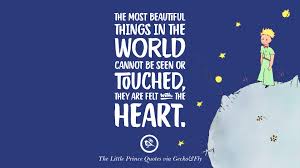
“…What is essential is invisible to the eye.” Antoine de Saint-Exupery

“You don’t LOOK sick.”

Like all things your perception changes over time.  When I was much younger if someone asked me for the most hurtful thing someone could say to me – it would have been something you’d be much more likely to guess.

But, years have passed and so much has changed.

Now, hands down, this is close to the top of the list.

I am reminded today of my senior year in high school. Madame Eicoff taught accelerated French.  At the time it seemed like a great idea, and the irony that I took seven years of French and grew up to marry a Spanish man was never lost on me.  One of the many ironies of life.  But in Mme. Eicoff’s class we read “Le Petit Prince” by Antione de Saint-Exupery, and reading and understanding, and feeling that book in French… well, close to 30 years later the emotions are still fresh in my mind.  But, I digress…

I don’t want to LOOK sick.  I guess in some ways it could be a compliment.

Except it’s not.

Everyone who says it, or thinks it, or shouts it, or whispers it, does it with judgment.

And I guess my question is – What does SICK look like?

In this day and age where tolerance is expected, I feel like we are lagging behind in acceptance of rare disease and chronic illness.

What qualifies as sick?

Is it constant trips to the doctor? Tests? Scans? Referrals to more specialists? Surgery after surgery?  Recovery?

Is it having doctors “Google” your disease in front of you, only to have them authoritatively verbally plagiarize the first page of the search when you have analyzed every relevant article on the first ten?

Is it time after time being made to feel you are not credible, or “less than” because no one can make it better?

Is it begging and pleading for pain relief only to be accused of being an addict, when you don’t want a pill at all?

Is it constantly plotting and planning any outing so as to utilize the fewest amount of steps to minimize the often bone crushing pain and fatigue that follows tasks as simple as grocery shopping?

I will agree there is a fine line between simple reality, and self-pity.  I dance across it sometimes.

And then I play the music louder and dance right back.

This is my reality.  Self-pity has no real purpose.  People typically don’t want to hear about it.

But, just because it makes you uncomfortable doesn’t make it any less true.

I am not perfect.  I judge.  I judge for the wrong reasons sometimes.  I judge people who I know nothing about sometimes.  I am a work in progress. (As a dear friend often said, “I live in an all glass house.”  Nothing about this is intended to throw stones.)

I am learning every day that saying “everyone has something” and really BELIEVING it are different.

I am learning that mine is no more, and theirs is no less and that is perfectly ok.

I am learning that human suffering is a universal, and “sick” carries a stigma that should be eliminated.

Because, if you are “sick” and you “look” it, you are likely “seeking pity.”  If you don’t “look” it, but you have an “acceptable” (read well known) illness, you are “brave.”

Mental illness is not visible, yet depression and anxiety plague so many in astronomical numbers.  Still we are embarrassed to speak of it, and it is surrounded by shame.

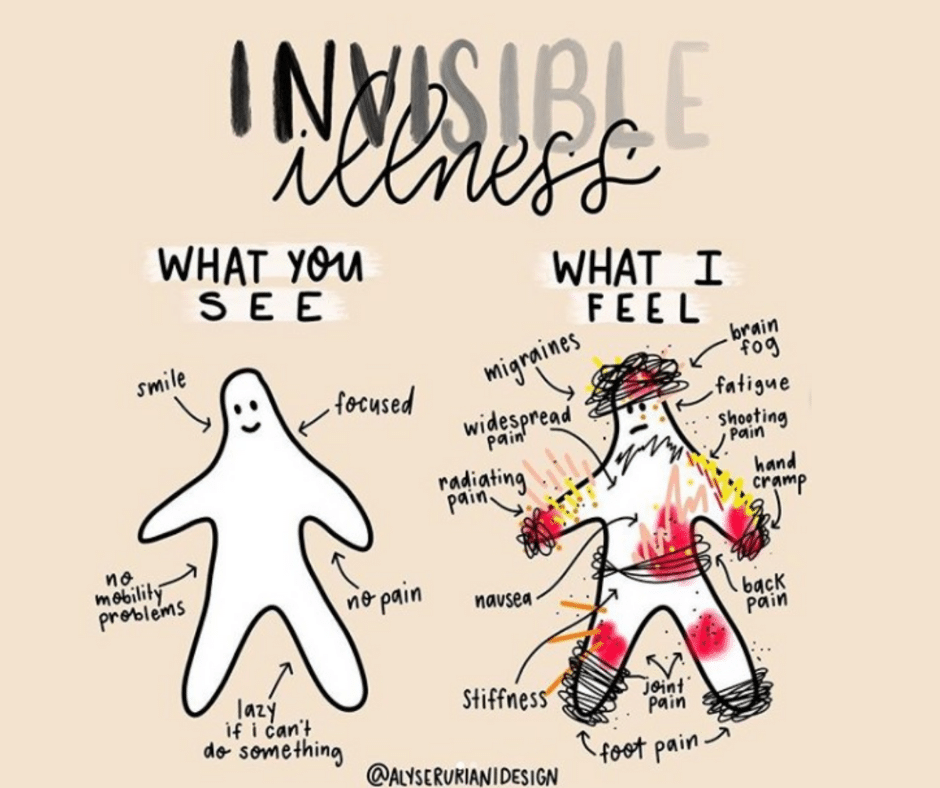
Chronic pain is not visible, not even behind the gritted teeth of the (insert so many people you know here) that you see every day.  Living your life with pain that never leaves in and of itself can drive you mad.  Think about the last headache you had.  The one where you had to close the doors and shut the lights.  Now think about it forever…

Real illness is often REALLY invisible.

This is neither a contest or a competition.

This is real life.

We are all real people.

And maybe it’s that simple. Maybe we need to go back to the simplistic view of a young child.Rare Disease Day is February 29th.

I am certain if you yourself are not suffering, you know someone who is.

They may look just like everyone else in the room.

I’ve set goals for self-correcting my unintended judgment of others.

I’ve found an excellent starting point at contemplating that every one of us is deeper than what can ever be seen with the eyes.

#beatingcowdens

WHAT IS A RARE DISEASE?

There are over 300 million people living with one or more of over 6,000 identified rare diseases around the world1, each supported by family, friends and a team of carers that make up the rare disease community.

Each rare disease may only affect a handful of people, scattered around the world, but taken together the number of people directly affected is equivalent to the population of the world’s third largest country.

Rare diseases currently affect 3.5% – 5.9% of the worldwide population.

72% of rare diseases are genetic whilst others are the result of infections (bacterial or viral), allergies and environmental causes, or are degenerative and proliferative.

70% of those genetic rare diseases start in childhood.

A disease defined as rare in Europe when it affects fewer than 1 in 2,000 people. (www.rarediseaseday.org)


Show Up

It was three MRIs in two days that week in November.  That’s too many, in case you were wondering.

One was an extension of an August MRI, which had been a knee follow up.  If you’ve been following – you know that long story.  If you’re new, the AVM (Arteriovenous Malformation) she was likely born with in her right knee, has cost her 8 trips to the OR so far.  It requires frequent attention.

By frequent I mean we see the orthopedist more often than we see most family.  And this time the whole muscle band up her thigh had been acting odd.  So we reached out to the orthopedist who asked for an MRI of the right thigh before we saw him at 1 PM that Tuesday.

By “odd” I actually mean really painful.  Pretty much all the time.  Painful enough that walking long distances or kicking swim practice got hard to maintain.  But there is so much that hurts it’s hard to sort out where something stops and other things start.  The hip had been “out” more than in, and even the chiropractor could not sort out why.  The knee pain was persistent enough to leave her wondering if something was wrong again.  The shooting pain, tingling and occasional numbness left her wondering if a nerve was somehow damaged.

Turns out, in typical form, she was right pretty much all around.  This kid has an uncanny awareness of her body.

The doctor’s student came in first not far past 1PM.  The MRI results were up, and he mentioned the AVM.  We said, “In her knee?”  When he said no, and mentioned one higher up in her leg, I pulled the plug on his practicing and sent for her actual doctor.  Turns out the thigh MRI showed a vascular malformation in the back of her right thigh.  It was somewhere in between the muscle and the bone, and adjacent to the sciatic nerve. When the images changed you could actually see the proximity to the nerve.

Hip issues – check

Knee pain- check

Shooting (nerve) pain-check

So he asked for an MRI with contrast of the pelvis.  “Sooner rather than later.”

But then he had to address the issue that had been of greatest concern walking in the door.
The right shoulder had been presenting an escalating problem all during the fall swim season.  She is a powerhouse my kid.  She pushes through because she knows nothing else. The awareness that the Hypermobile Ehlers Danlos diagnosis added on in July could at least explain the frequent partial dislocations was little comfort to the body that was living with them.  A thorough examination of a shoulder with extremely limited range of motion left us with orders for an MRI arthogram of the right shoulder.  It was time to rule out a rotator cuff tear.  We left with both MRI orders, and scripts for muscle relaxant and pain meds.  We were told to try to get it done by Thursday.  Yep 48 hours.
Thankfully Meghan’s insurance, which is the same as my husbands, (insurance coverage and coordination of benefits could take another post, so just trust me) does not require prior authorization for MRI testing.

So I got on the phone with scheduling and secured an appointment at the same facility we had been at at 11 AM for 3:30 PM.  That ended up being the pelvic MRI with contrast, something we avoid until we are confident something is there.  IV in place, back in the tube for another 45 minutes.

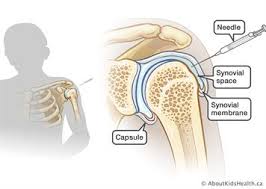
We were able to schedule the arthogram for 8AM the next morning in Brooklyn. But, not before learning that an arthogram was a pretty awful test.  As I had tried to barter for a time that would not take her out of school three days in a row, I was told that the doctor had to be on site.  I was asking for a quick schedule and I had to take what was available.  I was wondering why a doctor had to be on site, but my girl found the answers first.

And as we contemplated the test we sat in two hours of traffic to make the 32 mile trip home.

The next morning we were met by a well meaning tech in a Brooklyn office who thought my girl was going to have the catheter placed without me. You can say all the rational things you want about her being almost an adult. But PTSD is very real.  No matter how smart and articulate she is.  It is flat out real.  And that was about as huge a trigger as there is.  So I got a vest, signed consent for whatever I was about to be exposed to and held her hand while she screamed in pain.  The catheter was placed.  The contrast was injected, and we were back to another 45 minuted in the tube.
The appointment at 1 the next day was overwhelming to say the least.  The pain, the anxiety and the exhaustion were palpable.  The news that there was no rotator cuff tear was met with simultaneous relief and exasperation.  And if you don’t quite understand that it is probably because you have not lived with daily pain so intense you would give just about anything to hear that it was fixable.

Our orthopedist is nothing short of amazing, and he was able to explain to her that it was likely that repetitive partial subluxations caused muscle spasms that left the shoulder sitting just out of place enough that it was incredibly painful.  And because the muscles were in almost a constant spasm she couldn’t get it back “in.”  He explained the strength of her back and how some muscles are overpowering others.  He broke down the directions for PT.  He pulled her from the water for 7 days.  He started a muscle relaxant 3 times a day.

Then, he had to explain to her that we should head back to Lennox Hill Hospital to see the interventional radiologist who dealt with her prior AVM.  It had been three years since we had seen him, in hopes we were done for good.  The placement of this “small” AVM (and think relative here, does a splinter hurt?  Yep.  So a grape hanging out somewhere in between the bone, muscle and nerve probably would too.) was difficult from an ortho standpoint.  He felt that embolization, closing off the blood supply to the malformation, would give a quicker recovery than trying to dig it out.

We had an appointment on December 2nd at Lennox Hill.  Just enough time to let the muscle relaxants start to kick in, PT to begin, and the shoulder to start moving slowly and painfully.

The doctor looked at the scans, did his own ultrasound and told us to schedule the procedure.  We left with a date of Tuesday, December 17th for an outpatient procedure.

The date was carefully chosen by my girl.  The 17th meant she’d miss only 4 days of school, and for a junior with a rigorous schedule and a 4.0 that mattered.

Also, the 17th meant she could go to Lancaster, PA the weekend prior to compete in a qualifying swim meet she had worked for years to make.  She had been looking at this meet since she began swimming years prior.  When she made her first, second, and third cuts over the months leading up to it, she was ecstatic.  Now, she was facing this meet with a different set of eyes.  The training interruptions caused by her shoulder meant she was unlikely to attain any best times.  However her gentle giant of a coach reassured her she should go for the experience.

And it certainly was an experience!   We left for home Sunday the 15th with the coach’s approval of three good swims.  She knew it was the last time she’d be in the water for a bit.

We left home Tuesday the 17th for at 8 for a 10 AM arrival.  This was surgery 19.  We knew the routine.  She had had nothing to eat or drink since 9 the night before.  The wait was long.  It was after 2 when we were waiting to leave her in the OR.  And as we were leaving the team made a last minute change that they would do the procedure on her stomach.  That meant a more aggressive anesthesia and an overnight stay which we were not prepared for.

We were placed in luxury accommodations, better than most hotels I’ve stayed in, because pediatrics was overbooked.  We ended up in the executive suite.  With nothing we needed.  Felix headed home on the bus to gather supplies.  He then drove back to the city and met me at the door to the hospital before heading home for the night.
I was glad we stayed.  The pain needed hospital level management.  The pain medication allowed for some brief silly time.  She was discharged around noon the next day.

As I went to gather the car from the lot I was prepared for the hefty overnight fee, but not for the giant scrapes along my right rear panel. Clearly my car had been hit, hard.  The bumper clip was broken.  I had just enough time to file a claim with the garage before she let me know the transporter had her in the main lobby.

I settled her into the car in terror because she could not get a seatbelt on.  I prayed so hard during that white knuckle drive down the FDR and through the tunnel.  We arrived safely home 45 minutes later where a neighbor saw us struggling and helped her up the stairs into the house.

As I write, it is the afternoon of 12/22.  If you’ve read this far you know it’s been a long month.  But the longest days came after we arrived home.

This kid is busy.  All the time.  She is at school.  She is at swim.  She is at lessons.  She is at the doctor.  She is at PT.  She is NOT used to being home.

Because I think most of us can relate that when you are still there is time to think.  And thinking is hard.  When you are still there is time to feel.  And often feeling is hard.

My girl is used to being just on the outside in most social situations.   I do not know why.  I can theorize for days, but it doesn’t matter really.  It just is.  So when you are on the edge, you get your interactions with people when you are there. When you are not there you get the often difficult to process feeling that you are not missed or your absence isn’t noteworthy.

There were some cards, and some well intentioned messages from well meaning family and friends.  They lit up her whole being.

If I’ve learned anything from watching her recover and rehab time and time again, it’s this.  When you’re not sure what to do, show up.

I don’t mean in person necessarily.  Although those visits can bring brief humor and relaxation.  The irony of this technologically connected world is that we are more distant than ever, when it is so easy to show up.

When in doubt, send a text.  There is no need for gifts or grand gestures.  Offer a face time call.  Let someone know you care, especially in the first 4 days when then pain is often the worst.  It’s ok to reach out because these phones are all on mute.  And you won’t bother someone sleeping, you will only make them smile when they wake.

Whether it’s one surgery or 31, the chronically ill patient appreciates it.

There are so many super-convenient ways to show up.

So many that we are practicing showing up more for others.  Because the world is round.  And you may not ever repay the kindness sent to you, but showing up for someone else can change everything.

#beatingcowdens and#hEDS

Don’t give up on a (limping) Zebra

You know that person in your life.  The one who always has a dramatic tale of woe?  The one who you tire of hearing from because all they do is talk about their health?  Because honestly all that doctor talk is quite depressing.  And I mean, you hate going to the doctor.  You just went last week and they made you wait 30 minutes past your appointment.  But, you gave them a piece of your mind, and you’re just not going back.  You are way too busy anyway.  You have other things to do, and a LIFE.  So you’ll get to it when you get to it.

So, it might be a little hard for you to process that your friend doesn’t have the ability to make the same choices.  And that one doctor visit, with the 30 minute delay, they do that several times a month. A 30 minute wait is a rarity.  Typical time round trip, including traffic and wait – often 5 hours. 

And over time you might have less and less to talk about with them.  Because, they missed the party, or cancelled on dinner.  They are so dramatic.  You’ve had that wrong with you.  Sometimes you have to get up and keep moving.  They spend too much time being sad.  What “trauma” could they possibly know?

While the Zebra is the Symbol for Ehler’s Danlos Syndrome- a group of inherited connective tissue disorders- it also speaks symbolically and metaphorically to the Rare Disease Patients we encounter daily.  In our house it is PTEN Hamartoma Tumor Syndrome, or Cowden’s Syndrome, and Hypermobile Ehlers-Danlos Syndrome, for now. With over 7,000 Rare Diseases, it is not “rare” to have one.  It is rare for them to be properly diagnosed, managed, and understood.

From National Geographic  (BLUE PRINT IS CUT FROM THE ARTICLE)

https://www.nationalgeographic.com/animals/mammals/p/plains-zebra/

ABOUT THE PLAINS ZEBRA

No animal has a more distinctive coat than the zebra. Each animal’s stripes are as unique as fingerprints—no two are exactly alike—although each of the three species has its own general pattern.

No two are exactly alike…

Zebra Stripes

Why do zebras have stripes at all? Scientists aren’t sure, but many theories center on their utility as some form of camouflage. The patterns may make it difficult for predators to identify a single animal from a running herd and distort distance at dawn and dusk. Or they may dissuade insects that recognize only large areas of single-colored fur or act as a kind of natural sunscreen. Because of their uniqueness, stripes may also help zebras recognize one another.

Stripes may help them recognize each other….

Population and Herd Behavior

Zebras are social animals that spend time in herds. They graze together, primarily on grass, and even groom one another.

Plains zebras are the most common species. They live in small family groups consisting of a male (stallion), several females, and their young. These units may combine with others to form awe-inspiring herds thousands of head strong, but family members will remain close within the herd.

They can combine to form a herd, or a small group called a “dazzle.”  Seems fitting though…

I used to be social.  I mean not overly social.  I never traveled in large groups, but I used to dine out.  I used to see friends.  At least sometimes.

I learned of the old concept taught in medical school many years ago when we were starting to live this overwhelming life full time.  It goes “When you hear hoofbeats, think horses, not zebras.”  The professionals we look to have been trained to explain us away.

Our medical system is so deeply broken, that our best and brightest are in debt they can barely see past, and in shackles to the facilities they must work for, who are often managed on bottom lines and drug companies pockets as they overbook them and take away the time to look at the whole patient.  These doctors are often cognitively capable of doping their job.  They are just not allowed.

Some theories on the progression of that quote can be found clicking this link.

When You Hear Hoofbeats Look for Horses Not Zebras

But the reality is this.  We are Zebras.  In this rare disease community at large, we are a herd of them, as many as 10% of the world’s population.

( And other Rare Facts here… https://globalgenes.org/rare-facts/)

RARE Facts

And we are trying to get treated by many doctors who have been trained, for whatever the reason, to categorically deny the existence of zebras!

It’s easier to diagnose and treat a horse I suppose.  It is easier to open the text book, or the app and find the segment on their current malady, remedy it, and send them on their way.

I rarely meet a zebra who doesn’t WISH they could be a horse.  We don’t want to be hard to diagnose and treat.  But, we are.

I am currently in my 11th month treating a foot injury.

I fell at work and it was handled to the letter of the law there.

My insurance company denied the MRI I needed for my pain.  I waited and walked on it for 2 months.  When I could stand the pain no longer I received a diagnosis of a partial lisfranc tear, a zebra type of foot injury if you will.  I was put in a boot, taken out of work and rested.  Then I was taken out of the boot, not because there was proof of healing, but because I’d been in it too long.

A second opinion told me to be patient.

My local podiatrist running point on the case has been wonderful.

I have seen him every other week since March.

It hurts. Still.

I tried Physical Therapy and was sent away after 5 visits because he felt something else was wrong.

I tried ignoring the pain and walking through it.  It got so much worse.

Another visit back to the second orthopedist left me feeling like a fool as he told me it was all good.

An MRI 2 days later showed stress changes in the cuboid bone, another “zebra” foot injury.

Unfortunately, those results came my way after 6 days in Orlando.

The boot was on again.  This time with a scooter.

Another opinion and another MRI in September progressed the fracture to “non-discplaced” cuboid fracture and sentences me to another 10 weeks in the boot.

My original podiatrist, a stand up guy, suggested Hospital for Special Surgery.  He could not get another MRI approved.  My insurance had tired of me trying to get better.  He thought HSS had a better shot.

In the mean time I had to come out of the boot.  Not because the pain was better, but because there is only so long you can stay in before you have other risks.

Countless hours trying to schedule, I ended up with an appointment 10/31.  His diagnosis was made without ever having me take a step.  “You have too much pain in too many places.”  Go see pain management.  My husband strong armed him into ordering another MRI, which he did.  Except for reasons I’ll never know he ordered only the forefoot…

The results of that MRI showed swelling, chronic fracture of the sesamoid, and a neuroma(that one is fairly common) among other things.  He backpedaled a great deal when he called with those results.

My foot is in no shape to return to teaching – yet.

I went to neurology locally.  Prior to me getting my sneakers off he diagnosed me with a pain syndrome, because “it has to be.”  I did a nerve function test, was told to take a “tri-phase bone scan” and seek pain management. Again, no exam.

So, I scheduled the bone scan and started looking at pain management.  Except no one at Hospital for Special Surgery will treat me, even though their doctor was also sending me.  And the one specialist I was referred to locally does not take my insurance.  I am awaiting an answer for another suggestion.  My second call to the local office was at 9 this morning.


I have a ‘hail Mary’ pass going to a PT tonight who I PRAY will think he can help.

It sounds luxurious to be a zebra, right?  Spa treatments all day.  HA! Because what else would you do when you’re not at work?

It is easier to think someone is being lazy.  It is easier to think they don’t care, or they aren’t trying.  It is easier to find the green grass in someone else’s yard.

It is easy to judge.  To say someone is “taking advantage.”  It is so much easier than hearing the truth.  Often the truth is hard.  And just not as interesting.

I can assure you I have been schooled once again in the value of the lesson “Everyone has something.”

When you are rare, you are left on your own.  A lot.  Doctors will not, or can not, or are unable to troubleshoot an abnormal/multidisciplinary diagnosis.

I will wait.  I will continue to seek answers.  I will pray that all the bones in my foot stay in one piece.  Because this, this was supposed to be the “normal” injury in the house.  It was “just a fall.”

But, apparently as I’m learning, when you’re a zebra, you are a zebra through and through.

Thankful for my “dazzle…”  You know who you are.

And some days I feel like its even a little more unique…

#beatingcowdens

#hEDS


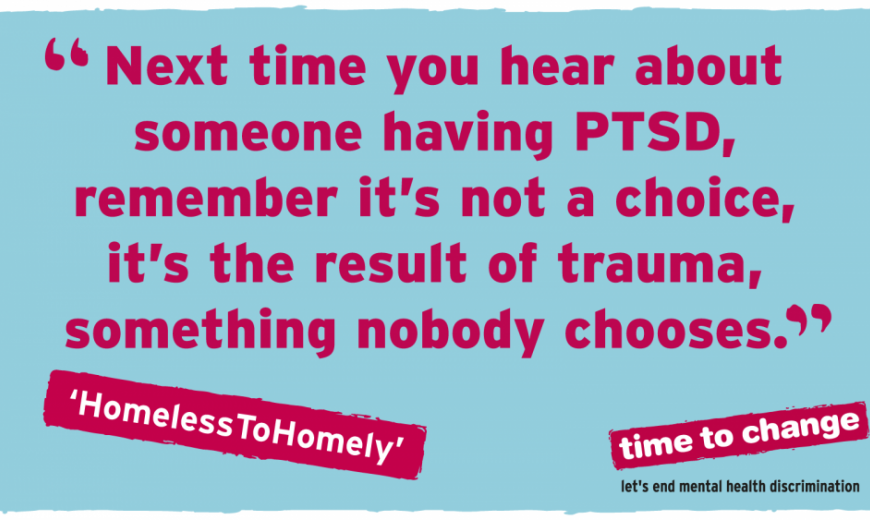
PTSD is real…

I catch the judgments when I mention PTSD to even those closest to us.

I have the utmost respect for our military, and our servicemen and women.  They are the front lines, defending us and keeping us safe.  They experience horrors I could not imagine, and I am daily grateful for them.  The PTSD many suffer is real and no one would ever question it.

But, just as l know that their’s is real, I am that sure it is real in my house too.

Post Traumatic Stress Disorder does not stipulate the trauma.

Some days I try to ignore it.  I try to hide it. I try to work around it.  I try to pretend it’s not there.  I try to lean into the pressures of well-meaning friends and acquaintances alike that we should act “normal” so as not to marginalize ourselves.  I hear the logical statements about fitting in.  I hear them.

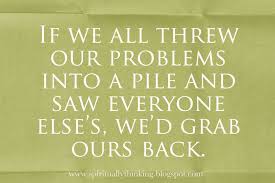
We talk about “everyone has something.”  We are acutely aware that we are not the only ones that suffer.  We are aware of our blessings.  We share those blessings with others when we can.  We listen compassionately.  We are believers in the notion that, “If we all threw our problems in a pile and saw everyone else’s, we’d grab ours  back.”

We are aware that we can be perceived as aloof, or detached, or disinterested.  We are also aware that largely by circumstances and partly by our own design, we are alone.  We haven’t really ever spoken to you about why… We try to listen compassionately.  We try to be the people you need.  We try to be lighthearted and positive when we feel like we are being crushed.

When the diagnosis of PTSD was first given to me as part of an analysis of my beautiful daughter’s response to the constant traumas that had shaped her life, I was physically ill.  And then I was really sad.

And through the years I have tried to wish it away.  I have tried to convince and cajole and distract.  I have tried to rationalize. I have tried to blame myself.  I have tried to be angry.  I have tried to pray.  I have tried to walk it off.  I have tried to medicate it.

I have brought her to quality therapy.  I have introduced medication.  We have tried strategies.  We have tried simple grit.  We have never quit.  And there is progress.  But it is not easy.

I’ve been home a few weeks now with a foot that won’t heal.  I am trying to put into play some things that have been on the back burner for too long.  I am rediscovering my faith, and leaning back into the peace that has anchored my soul for so long.  I am learning new things, like the operating system on a new computer.  I am trying to find value in the waiting to heal.

I have also had some time to watch some old home videos, transferred from the portable video camera that was state of the art when our only child was born in 2003.

I look at some of those old videos and I laugh and smile.  And I hear the purity and innocence of a life untouched by physical and emotional pain, and the cruelty of the loneliness that often surrounds both.  And I laugh in spite of myself while the tears stream down my face.

We are strong.  We are determined.  We are compassionate.  We are intense.  We expect a lot from those around us, because we expect a lot from ourselves.  We are often isolated, marginalized, and left to live on the edge of all things social.

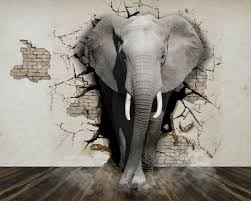
PTSD, the elephant in every room.

You see the diagnosis of Cowden’s Syndrome was not the start of it.  The first medical intervention was before the age of 6 months…

The years of hospitalizations, immune deficiency, chronic illness, food allergies, constant GI upset, speech, OT and PT services, led right into one surgery after another, with scans, doctors visits, and a few emergency room trips sprinkled in.  There were arrogant doctors and medical staff, ignoring that we were literally walking through fire trying to survive.  There were teams that would not communicate, and problems we had to try to solve on our own.  There were well meaning people in our lives asking if she was “better” because they could handle nothing other than a positive in the midst of this crazy, wild storm we were living in.

The diagnosis at the age of eight formalized the fact that we were definitely different.  It gave an answer while raising more questions and increasing the isolation, as parents scheduled play dates with children who became friends while we rode the FDR drive for hours after a day of work and school.  They went to the mall, or to the movies while we headed to PT to bring that knee back from surgery 4,5,6,7,8….  It was inevitable that the divide would grow.

I told her she could do anything.  And I meant it. I still mean it.

She is academically rock solid.  She is an athlete.  She is a good friend to those who let her be.  She is thirsty for knowledge.  She is insatiable in her desire to make the world better.

She’s also angry.  And its hard to see it.  It’s hard to feel it, and to watch it.  But, it’s real.  And it’s valid.  As much as we were able to do for her, the basic joys of childhood were taken from her.  From colic, to hospitals, to bullying so severe it almost broke her, to being just outside the edge of every circle or group…  A week in Disney every year helps, but even the Mouse doesn’t have a bandaid big enough.

We stay busy.  It is the best way.  But sometimes it breaks down.  This has been an extra tough week.  There isn’t one reason why.  It just is sometimes.

As I sat with her the other night and the memories of the most traumatic surgery turned my strong young lady back into a terrified 10 year old, I was reminded.  PTSD is very real.

It is real when the medical world is overwhelming you.

It is real when the pain is chronic.

It is real when the thought of getting out of bed is just too much.

It is real when you need the dog close by to even close your eyes.

It is real.

It is also real when you’re the youngest NYS Woman of Achievement in 2016 at the age of 12, or being honored with a Humanitarian Award at 15.

It is real when you’re holding a 3.9 GPA.


It’s real when you are achieving best times at Junior Olympics.

It’s real when you’re laughing with your high school swim team.

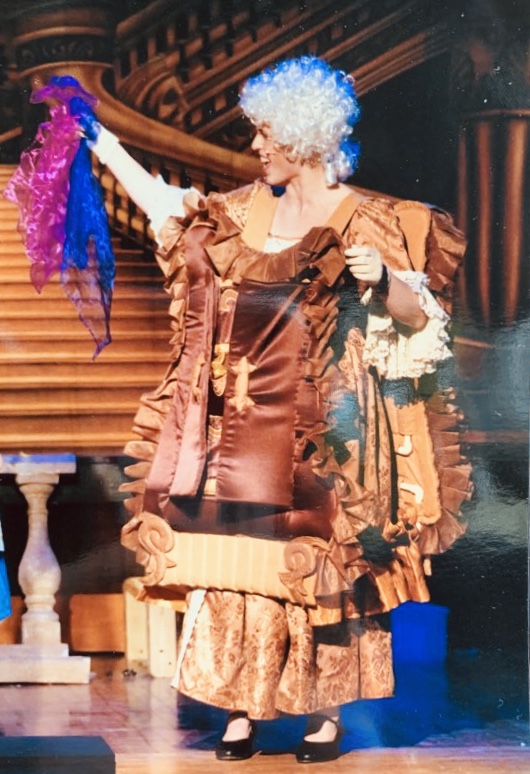
It is real when you’re in costume on the stage.

It’s just flat out real. And most of the time you have no idea what it looks like.  The costume is better than Broadway.  The mask is strong, crafted through years of survival instinct.

It never goes away, and yet it takes over without notice at the most inconvenient times.

PTSD is not an indicator of weakness, but rather of strength.  For living with it means you could have given up, but you are pressing on instead.

I’ve passed this advice to parents through the years who are new to our diagnosis.

“It is a lot to handle.”

Don’t underestimate.

It is hard to be kind to those who are different.  It is hard to be with people who are sometimes just “a lot.”  It is hard to care.

But the reality really is you just don’t know.  You don’t know the struggles facing anyone you pass by on the street.  You have no idea.

It’s neither a contest, nor a competition.

We are not perfect.  It is harder when the hurt is in its most raw periods.

But, we have goals.  And perhaps they go back to the “Golden Rule” of my youth.  “Do unto others as you’d have them do unto you.”  

That means you keep paying it forward, without expecting it to be repaid to you.

If we all, ourselves included, can remember that everyone has real struggles, and we can all focus on kindness, I’m pretty sure we can start real change.

One smile, one inclusive invitation, one held door, one kind gesture at a time.

“Be kind always, because everyone you meet is fighting a battle you know nothing about.”

#beatingcowdens